
Causes of P2037 engine code
From my time under the hood and digging through repair bulletins, here’s what usually triggers a p2037:
- The air injection pressure sensor itself going bad-hands down, this is the top offender.
- Wiring harness issues: think frayed wires, insulation rubbed off, or wires chewed up by rodents. I’ve seen it all.
- Shorts or open circuits hiding somewhere in the sensor wiring. These can be sneaky.
- Nasty, corroded connections at the sensor plug-bent pins or pins that aren’t seated right can mess up the whole signal.
If you ask me, the problem is almost always either a bum sensor or something sketchy at the wiring connector. My advice? Start with a close-up inspection of the wiring and connectors before spending cash on a new sensor.
Symptoms associated with P2037
In most cases when P2037 pops up, the first thing you’ll spot is that pesky check engine light staring you down. Strangely enough, you probably won’t feel much difference behind the wheel-no weird noises, no rough idle, no stalling. The real headache comes if your car has to pass an emissions test; that’s when things get dicey. Sometimes, the car’s computer might toss out extra codes or even warn you about reduced engine power, but with just P2037, that’s pretty rare. So, if you’re not seeing other symptoms, don’t get lulled into ignoring it-the emissions system is still taking a hit.

Diagnosis and troubleshooting for P2037 code
Here’s my tried-and-true approach for tracking down a P2037:
- First up, scan for any other trouble codes. P2037 can be a smoke signal for bigger problems lurking underneath.
- Next, get your hands dirty with a thorough look at the air injection pressure sensor and its wiring harness. Check for busted insulation, broken or pinched wires, and connectors that don’t look right. A flashlight and a mirror are your best friends here.
- Unplug the sensor and eyeball the connector pins. If you see any bent pins or signs of corrosion (green fuzz, white crust), you’ve got a problem. Clean it up or swap the connector as needed.
- Then, break out the multimeter and test for continuity between the sensor and the ECM. If the numbers don’t add up, you’re chasing a hidden short or break.
- If the wiring checks out, it’s time to test the sensor. Service manuals usually have specs for resistance or voltage output-compare your readings. If it’s off, swap the sensor.
- Once repairs are done, clear the code, take the car for a spin, and see if the light stays off.
If you’ve got a helper, have them wiggle the harness while you watch the meter-sometimes those intermittent faults only show up when things are moving.
Common mistakes with P2037 trouble code
A classic mistake I see all the time: folks throw a new sensor in without checking the wiring or connectors first. That’s how you end up wasting money and time. Another slip-up is forgetting to clear the code after the fix-then you’re left scratching your head when the check engine light doesn’t budge. And don’t just focus on P2037; scan for other codes, because sometimes you’re dealing with a bigger issue hiding in the background.

Seriousness of obd code P2037
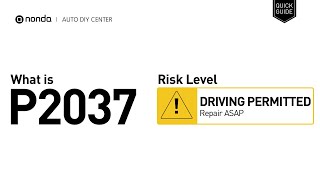
Here’s the deal-you really shouldn’t ignore P2037. Sure, it probably won’t leave you stranded on the side of the road, but letting it slide can mess up your emissions system and land you with a failed emissions test. Worse, if left unchecked, you can end up frying expensive parts like the catalytic converter. I’ve seen small emissions problems spiral into huge repair bills, so take it from me: tackle this code sooner rather than later, or you’ll regret it when things get ugly.
Repair options for dtc P2037
Most of the time, fixing P2037 boils down to a handful of solid options:
- Patch up or swap out any damaged wiring or connectors at the air injection pressure sensor.
- Clean off any corrosion at the connector and make sure the pins are straight and seated tight.
- If the sensor’s shot, replace it with a fresh one.
- Clear the code, then take your ride for a test drive to confirm the fix.
Honestly, once you figure out whether it’s the sensor itself or the wiring, these repairs are pretty straightforward. Don’t overthink it-just zero in on the real culprit.


Conclusion
So, to wrap things up: P2037 means your air injection pressure sensor circuit isn’t talking to your engine’s computer the way it should. It won’t usually mess with how your car drives, but ignore it and you’re asking for trouble-emissions failures, or worse, costly damage down the line. My advice? Start by checking the wiring and connectors, then test the sensor. Nine times out of ten, you’ll find the fix is simple. But don’t drag your feet-sorting this out quickly is the best way to keep your car and your wallet out of trouble.
 3619
3619 5 minutes of reading