
Causes and P2038 engine code
From what I’ve seen in the shop and based on official repair info, the most common reasons for p2038 popping up are:
- A faulty reductant injection air pressure sensor itself-these can wear out or fail.
- Wiring issues, like a damaged harness, short circuit, or broken wires going to the sensor.
- Loose, corroded, or bent pins in the sensor’s electrical connector.
- Sometimes, it’s just a poor connection-maybe the plug isn’t seated right or there’s moisture inside.
Most often, the issue is with the sensor or its wiring, but I’ve seen cases where a connector was just dirty or not clicked in all the way.
Symptoms and obd2 code P2038
If you’re driving around with a p2038 code active, here’s what you’ll probably notice:
- The check engine light will be on-sometimes it’s just that, with no other obvious signs.
- In some cases, you might see a "service engine soon" warning.
- Rarely, you could notice changes in how the vehicle handles emissions, like a slight drop in performance or odd smells from the exhaust, but usually it’s just the warning light.
Honestly, most drivers only spot the dashboard light, but that’s your car’s way of saying something’s not right with the emissions system.

Diagnosis and P2038 trouble code
Here’s how I usually tackle a p2038 code, step by step:
- First, I start with a visual inspection. Pop the hood and find the reductant injection air pressure sensor-usually near the exhaust aftertreatment system. Check the wiring harness for any obvious damage, like frayed wires or melted insulation.
- Next, I look at the connector. Make sure it’s plugged in tight, and inspect the pins for corrosion, bending, or if any are pushed out. It’s best to have someone wiggle the harness while you watch for changes.
- If everything looks good, I use a multimeter to check for proper voltage at the sensor’s connector. Compare the readings to the specs in the service manual.
- Then, I’ll scan the system for any other related codes-sometimes a second code can point to a bigger issue.
- If the wiring and connector check out, I recommend swapping in a known-good sensor to see if the code clears. That’s a surefire way to confirm if the sensor is bad.
Don’t forget to check for moisture or dirt inside the connector before moving on to more complex tests. It’s better to rule out the simple stuff first.
Common Mistakes and obd code P2038
I’ve seen folks jump straight to replacing the sensor without checking the wiring or connector. That’s a quick way to waste money if the real problem is just a loose plug or corroded pin. Another common slip-up is ignoring the service manual’s voltage specs-guessing at readings can lead you down the wrong path. Skipping the visual inspection is a big one; sometimes the issue is right there in plain sight. Always check the basics before ordering parts.

Seriousness and dtc P2038
This isn’t something you want to ignore. The emissions system is critical for keeping your car running clean and legal. If the sensor isn’t working right, your vehicle might not inject reductant properly, which can lead to higher emissions and, in some cases, damage to the exhaust aftertreatment components like the SCR catalyst or DPF filter. Things can go south quickly if overlooked, and you could end up with expensive repairs or even a car that won’t pass inspection. Don’t put this off for later-it’s a serious hazard for your emissions system.
Repair steps and P2038
Here’s what usually fixes a p2038 code, based on verified repair cases:
- Replace the reductant injection air pressure sensor if it’s faulty.
- Repair or replace any damaged wiring or connectors in the sensor circuit.
- Clean and reseat the electrical connector-sometimes a good cleaning is all it takes.
- Clear the code with a scan tool after repairs and test drive to confirm the fix.
I personally recommend starting with the wiring and connector checks before swapping out the sensor. That’s the most reliable path to a lasting fix.


Conclusion
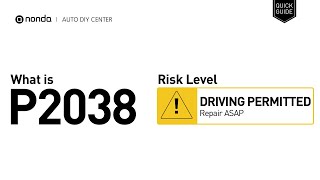
To sum it up, P2038 means your car’s emissions system isn’t getting the right signal from the air pressure sensor used for reductant injection. It’s usually a sensor or wiring issue, and the risks just aren’t worth ignoring-damage to expensive exhaust components can follow. The best way forward is a careful inspection, starting with the simple stuff, and only replacing parts when you’re sure they’re the culprit. Get this checked out promptly for your safety and your wallet.
 5653
5653 5 minutes of reading