
dtc P2039 Causes
From what I’ve seen in the shop and what the official manuals say, the most common reasons for a P2039 code are pretty consistent across brands. Here’s what usually triggers it:
- A faulty air pressure sensor in the reductant (DEF) injection system-this is the part that most often fails.
- Damaged wiring harness for the sensor-sometimes wires get pinched, rubbed through, or corroded.
- Short circuits or open circuits in the sensor wiring-this can happen from wear, water intrusion, or rodent damage.
- Poor electrical connections at the sensor plug-loose, bent, or corroded pins are a classic culprit.
In my experience, it’s usually the sensor itself or a wiring issue right at the connector. But don’t rule out the harness until you’ve checked it closely.
obd code P2039 Symptoms
When this code is active, you’ll probably notice the check engine light or service engine soon light on your dash. Most drivers don’t feel any difference in how the vehicle runs, but in some cases, you might see a warning about the emissions system or even get a message about reduced engine power if the problem gets worse. If you drive a diesel, you could also get a DEF or AdBlue warning. But honestly, the main thing you’ll see is that warning light staring back at you.

P2039 engine code Diagnosis
Here’s how I usually tackle a P2039 code, step by step:
- First, I always start with a visual inspection. Pop the hood and find the air pressure sensor for the reductant injection system. Check the wiring harness and connector for any obvious damage-look for frayed wires, corrosion, or loose pins. It’s best to have a flashlight and maybe even a mirror for those hard-to-see spots.
- Next, unplug the sensor and take a close look at the connector. Make sure none of the pins are bent, pushed out, or green with corrosion. If you spot any issues, clean or repair them before moving on.
- After that, I’ll use a multimeter to check for proper voltage and ground at the sensor connector, following the wiring diagram from the service manual. If you’re comfortable with a meter, you can do this too-just be careful and double-check the pin layout.
- If the wiring checks out, I’ll test the sensor itself. Sometimes swapping in a known-good sensor (if you have access to one) is the quickest way to confirm a bad part.
- Finally, I’ll clear the code and see if it comes back. If it does, I’ll dig deeper into the harness or even check the ECM, but honestly, it’s usually the sensor or the connector.
Don’t forget to check for any related Technical Service Bulletins-sometimes the manufacturer has updated parts or procedures for this exact issue.
P2039 Common Mistakes
One thing I see a lot is folks jumping straight to replacing the sensor without checking the wiring or connector. That’s a surefire way to waste money if the real problem is just a loose pin or a broken wire. Another common slip-up is not clearing the code after repairs-if you don’t reset it, you won’t know if you actually fixed the problem. And don’t overlook the basics: sometimes a little corrosion in the connector is all it takes to set this code.

obd2 code P2039 Seriousness
This isn’t something you want to ignore. While you might not notice any drivability issues right away, a faulty sensor or wiring in the reductant injection system can lead to bigger problems down the road. If the system can’t monitor or control DEF injection properly, you risk increased emissions, possible engine derate (reduced power), and even damage to expensive parts like the SCR (Selective Catalytic Reduction) catalyst. Honestly, things can go south quickly if you put this off-especially on modern diesels where emissions systems are tightly monitored. Don’t wait until you’re stuck in limp mode or facing a costly repair.
P2039 code Repair
Most of the time, the fix is pretty straightforward. Here’s what usually gets the job done:
- Repair or replace any damaged wiring or connectors at the sensor-make sure everything is clean, tight, and free of corrosion.
- If the sensor itself is faulty, swap it out for a new OEM part. Don’t go cheap here; aftermarket sensors can cause more headaches.
- Clear the code with a scan tool and take the vehicle for a test drive to make sure it doesn’t come back.
- If the problem persists, follow the official diagnostic flowchart to check the harness all the way back to the ECM, and replace any damaged sections as needed.
In rare cases, if there’s a known issue, the dealer might have a software update or revised part, so it’s worth checking for TSBs.


Conclusion
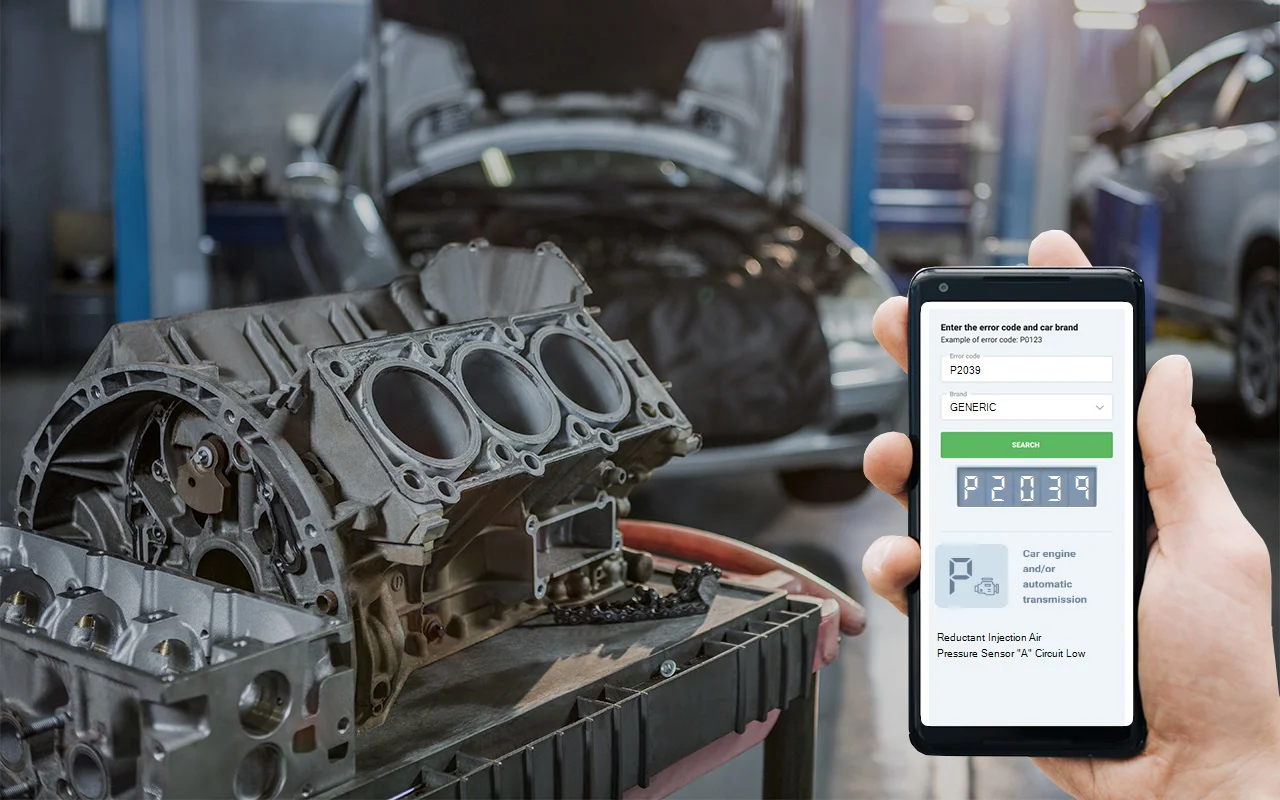
To sum it up, P2039 means your vehicle’s reductant injection air pressure sensor isn’t sending the right signal to the engine computer. It’s not something to ignore-if left unchecked, it can lead to emissions problems, engine derate, or even damage to expensive components. The most reliable way to fix it is to start with a careful inspection of the sensor and wiring, repair or replace anything faulty, and clear the code. Don’t put this off for later-acting quickly is the best way to keep your vehicle running clean and avoid bigger headaches down the road.
 4655
4655 6 minutes of reading