
Causes of obd2 code P203A
From years spent chasing down electrical gremlins in the shop, here are the main culprits behind a p203a code:
- First up, a bad DEF/reductant tank level sensor-it might fail inside, or simply get loaded up with gunk.
- Then there’s the wiring harness-broken, frayed, corroded, or just plain loose wires and connectors right at the sensor.
- Sometimes, it’s as basic as a bent or dirty connector pin that isn’t making good contact.
- On rare occasions, the control module or ECU might be to blame, but honestly, that’s not where I’d start looking.
If I had to put money on it, most of the time it’s either the sensor itself or the wiring right at the tank. Always check those spots first before you dive deeper.
Symptoms of P203A trouble code
When p203a crops up, your check engine light almost always leads the parade, or you might spot a service message on your dash. Some vehicles even flash a specific DEF or AdBlue warning. Let that code go unchecked, and you could find your car going into limp mode or flat-out refusing to start after a while. Here’s what surprises most folks: the car usually drives just fine at first-all you’ll notice is that warning light giving you the evil eye.

Diagnosis steps for dtc P203A
Here’s how I work through a p203a diagnosis when one rolls into my bay:
- Start by scanning for other codes-sometimes you get lucky and find a related issue that points you in the right direction.
- Next, I get under the car and inspect the DEF tank and wiring harness. Look closely for cracked wires, corroded plugs, or connectors hanging on by a thread. If you need to drop the tank or reach around tight spaces, grab an extra set of hands.
- Pop the connector off and inspect the pins-bent, corroded, or pushed-out pins are a common headache here.
- If everything looks clean, break out the multimeter. Check for continuity from the sensor back to the ECU; an open or short circuit will trip this code every time.
- If your wiring’s good, it’s time to test the sensor. Some sensors let you check resistance or voltage as you move the fluid level, but for others, you’ll need a scan tool to watch live data. If the sensor’s dead to the world, it’s time for a new one.
- Working on BMWs? Watch how the sensor responds over time; their system needs to see a change within a set period. On Fords and Volkswagens, check each pin-multi-level sensors can lose part of their function while the rest seems fine.
Be thorough with your checks-overlooking a simple wiring fault could have you chasing your tail and wasting cash on parts you don’t need.
Common mistakes when dealing with P203A code
A classic mistake I see is folks swapping out the DEF tank or sensor right away without ever checking the wiring. That’s a fast track to spending money you didn’t have to. Another thing that trips people up is skipping over the connectors-corrosion or a splash of water can wreak havoc here. And don’t just clear the code and cross your fingers; if you skip the real fix, that code’s coming back, guaranteed. My advice? Always check the basics-wiring and connectors-before you start buying new parts.

How serious is P203A
If you’re tempted to ignore this one, don’t. Sure, at first it’s just a warning light, but I’ve seen this escalate quickly. If your car can’t keep track of the DEF level, you might soon find yourself stuck in limp mode or with an engine that flat-out refuses to start. Not exactly fun if you’re miles from home. And running without proper DEF monitoring? That can toast your emissions gear-like the SCR catalyst-or even take out the control module. Bottom line: deal with it now, not later.
Repair solutions for P203A engine code
From my time wrenching on these systems, here’s what usually gets the job done for p203a:
- Repair any busted wires or dodgy connectors at the DEF tank sensor. That’s where most problems brew.
- Clean up corroded pins and give them a dab of dielectric grease to keep moisture out.
- If the sensor’s not responding, swap it out with a new one-problem solved nine times out of ten.
- Very rarely, the control module is the culprit, but don’t go there unless you’ve ruled out everything else.
After any fix, clear the code and put the system through a test drive or a forced regen to make sure you nailed it.

Conclusion
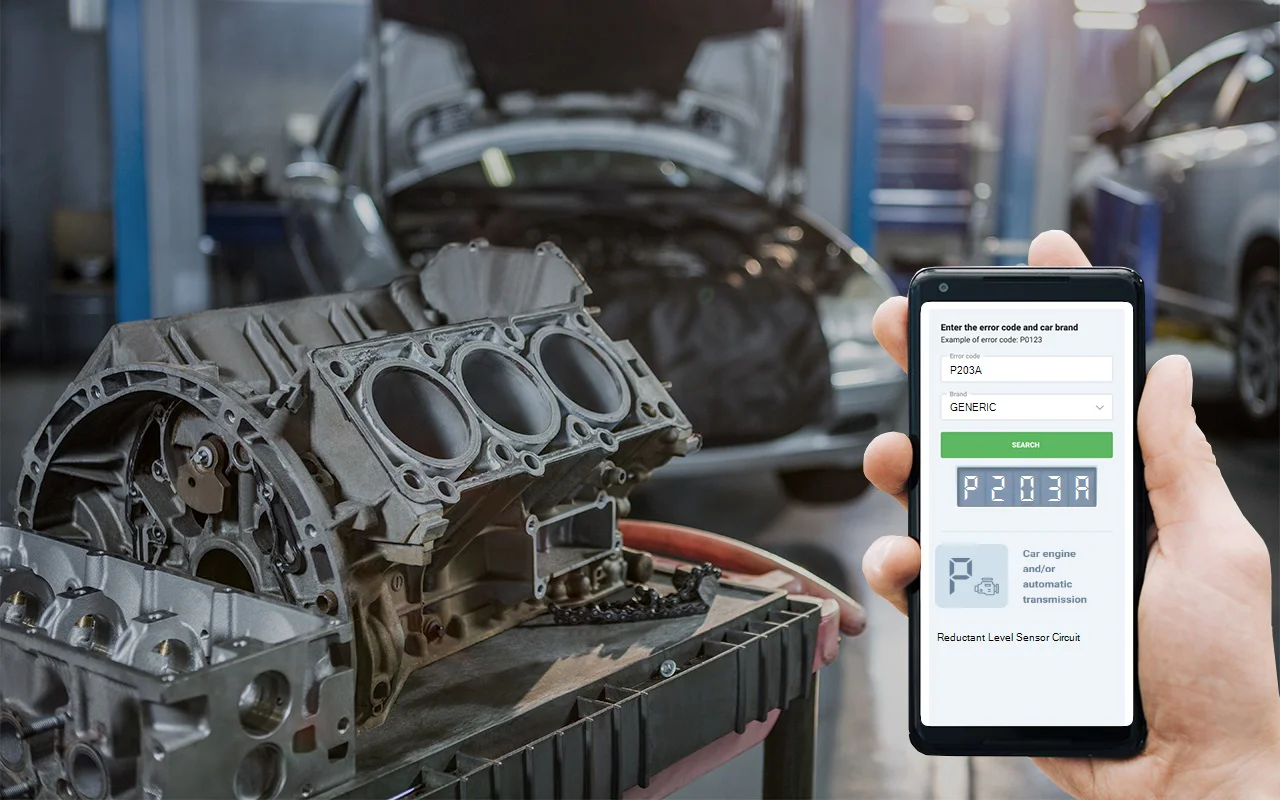
Bottom line: p203a means your car’s not getting the right info from the DEF tank level sensor circuit. If you let it slide, you’re asking for bigger headaches-up to and including a car that won’t run. Your best bet? Check the wiring and connectors with a sharp eye, then move on to the sensor if needed. Don’t take shortcuts with emissions systems-get this sorted fast, and you’ll save yourself time, money, and plenty of frustration down the road.
 4788
4788 5 minutes of reading