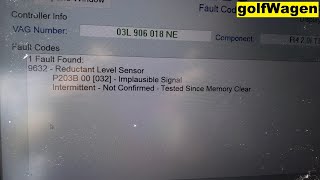
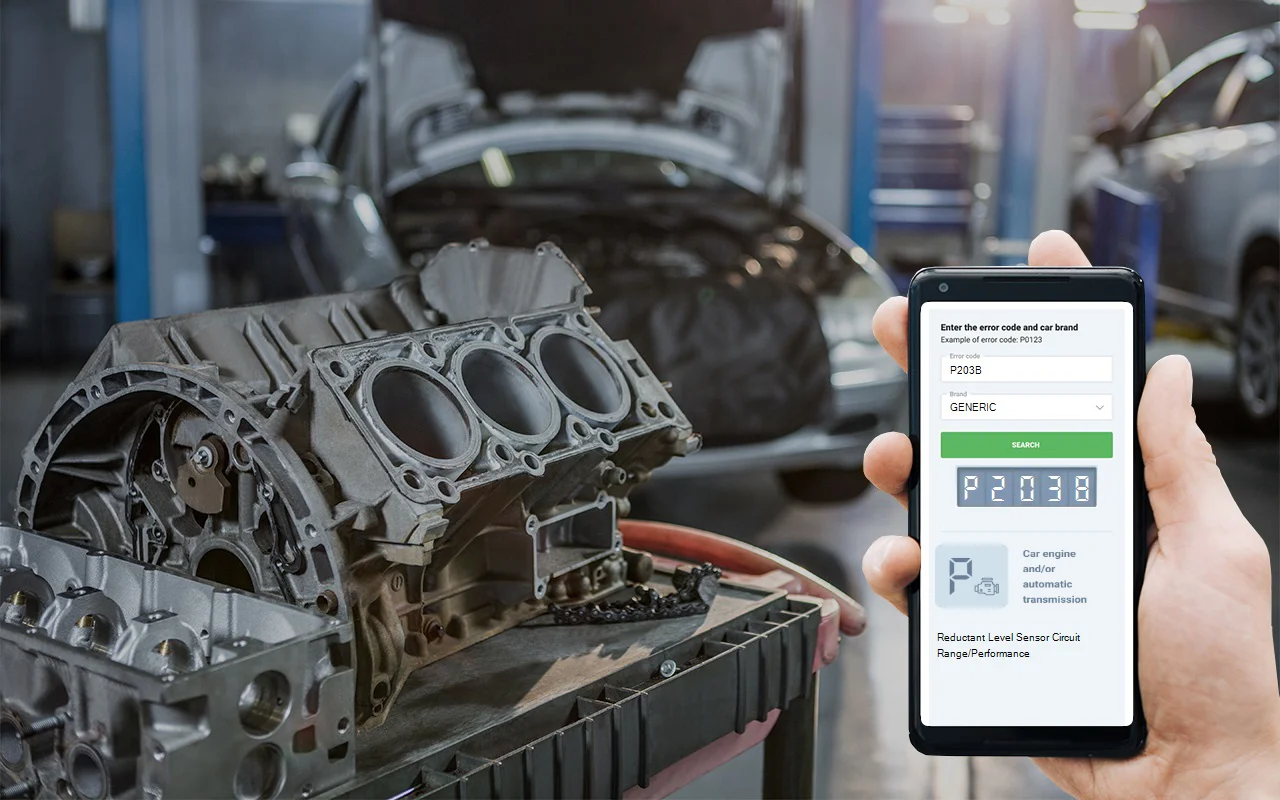
When you see that P203B code light up, your car’s computer is basically telling you it’s having trouble with the sensor that monitors your diesel exhaust fluid (DEF) level-sometimes called the reductant sensor. Let me break it down from the shop floor: this sensor sits right in the DEF tank, and its whole job is to keep tabs on how much DEF you’ve got left in the system. If the sensor itself goes haywire, or if the wiring running to it gets damaged, the computer loses track of the DEF level. I’ve seen this pop up a lot on diesel trucks and cars from brands like Ford, BMW, and Volkswagen. On Fords, for example, the sensor uses metal pins at different spots in the tank to measure the fluid. If those pins get corroded, the wiring gets nicked, or the sensor just decides to quit, the numbers don’t add up-and the computer throws a fit. The whole point here is to make sure your emissions system keeps working cleanly and to warn you before you run low on DEF, because running out can create a whole chain of bigger headaches.
DTC P203B
 4168
4168 6 minutes of reading
Causes of P203B
In my experience, when P203B shows up, I can almost always trace it to a handful of regular troublemakers. Here’s what you want to look for:
- The most common culprit? A DEF (reductant) level sensor that’s given up the ghost-especially if it’s old or gunked up.
- Wiring problems: I’m talking broken, chewed-up, or corroded wires leading to the sensor. Sometimes these get pinched or connectors fill up with water.
- Shoddy electrical connections at the sensor plug. Loose, bent, or rusty pins are a classic I see all the time.
If you’re working on a Ford, remember they use those metal pins at different heights in the tank-any pin that’s damaged or crusty can set off this code. BMW and Volkswagen aren’t much different: nine times out of ten, it’s a bad sensor, faulty wiring, or a poor connection behind the problem.
Symptoms and obd code P203B
If you’re dealing with this code, the first thing you’ll probably notice is that dreaded check engine light-or maybe a DEF system warning-on your dashboard. Sometimes, you’ll even get a message saying you’ve only got so many miles left before the car won’t start unless you take care of the DEF system. At first, the car usually drives like normal, but here’s the kicker: if the system can’t read the DEF level, it might eventually cut your engine power or keep the engine from starting at all. No one wants to be stranded because of a sensor issue-that’s a headache you don’t need.

Diagnosis and dtc P203B
This is how I go after a P203B code, step by step-and you can do it too if you’re comfortable with tools. Step one: I always start with a good look at the wiring harness going to the DEF tank. Shine a flashlight in there and check for obvious trouble-cuts, pinched spots, or corrosion around the connectors. It helps to have another set of eyes, so grab a buddy if you can. Next, unplug the sensor and check the pins: are any bent, broken, or pushed back? Spot any greenish corrosion? That’s your cue something’s wrong. After that, I grab my multimeter and check for the right voltage and a solid ground at the connector-making sure none of the wires are open or shorted. If the wiring checks out, I move on to testing or swapping out the DEF level sensor itself. Some vehicles let you use a scan tool to watch live sensor data-if adding or removing DEF doesn’t change the reading, your sensor’s toast. Once you’ve made a fix, don’t forget to clear the code and see if it returns after a quick drive.
Common Mistakes with obd2 code P203B
A classic mistake I see? Folks jumping straight to buying a new DEF sensor without bothering to check the wiring or connections. That’s a fast way to waste money, since wiring issues are just as common as bad sensors. Another thing people miss is checking for corrosion inside the sensor connector-sometimes all you need is to clean the pins and you’re back in business. And don’t overlook the obvious: make sure the DEF tank actually has fluid. Low fluid can trigger weird readings, too. If you skip these basics, you could end up chasing your tail and swapping parts for no reason.

Seriousness of P203B engine code
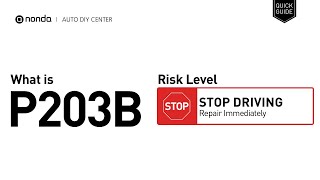
You really don’t want to brush this one off. Sure, your car might seem fine at first, but a failed DEF level sensor can snowball into bigger issues. If your computer can’t keep track of how much DEF is in the tank, sooner or later the engine might go into limp mode-or worse, refuse to start at all. Imagine that happening miles from home or stuck in traffic. Plus, if you ignore it too long, you risk damaging expensive emissions parts like the DEF pump, the SCR catalyst, and other critical components. Long story short: don’t procrastinate. Get it checked as soon as possible before it turns into a real problem.
Repair Solutions for P203B trouble code
When I’m fixing this issue, I stick to a straightforward plan. First, patch up or replace any busted wiring or connectors you spotted during your checks. Clean off any corrosion on the sensor’s plug, and make sure the pins are straight and making solid contact. If everything in the wiring looks good, then it’s time to swap out the DEF level sensor. After you make your repair, clear the code and take the car for a spin to see if the warning comes back. On some models, you’ll have to reset the DEF system with a scan tool. Here’s a little advice from the trenches: double-check your DEF fluid level before calling the job done-sometimes it’s the simplest things that trip you up.
Conclusion
If you’re staring at a P203B code, you’re dealing with a car that can’t read its DEF fluid level right-usually thanks to a bad sensor or a wiring hiccup. Don’t shrug it off, because it could lead to engine shutdowns or expensive emissions repairs if ignored. Your best bet? Start with a thorough check of the wiring and connectors before moving on to the sensor itself. When you act quickly and work through the basics, you’ll save yourself time, money, and a whole lot of stress down the road.