
Main Causes and obd code P203E
From my time in the garage, I can tell you the main causes behind p203e are pretty predictable-especially on BMW, Ford, and VW. Here’s what tends to set it off:
- The DEF/reductant level sensor itself goes bad. Sometimes the internals fail, other times it gets clogged up with gunk.
- Wiring harness issues-think broken, corroded, or shorted wires running to the sensor. I’ve seen everything from pinched wires to damage from rocks or road salt.
- Lousy electrical connections at the sensor plug. Corrosion, bent pins, or a connector that’s loose from repeated unplugging-these are all common headaches.
What I’ve found is, wiring problems and crusty connectors are just as likely as a failed sensor. Don’t make the classic mistake of swapping out the sensor right away. Always check the basics first; more often than not, that’s where the fix is hiding.
Warning Signs and P203E
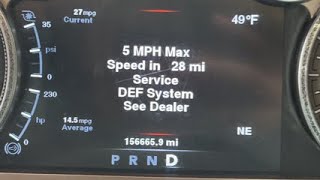
With this code active, the first thing you’ll probably notice is the check engine light staring back at you. Some cars will also shout about DEF system issues, or flash a ‘Service Emissions System’ message on the dash. Most of the time, your engine will still run fine-for a while, anyway. But let that issue fester, and you might find the car starts limiting engine power, or flat out refuses to start after a certain distance. That’s the emissions system stepping in to keep things clean. So don’t shrug it off. What starts as a simple warning can turn into a serious hassle fast if you let it go.

Step by Step P203E engine code Diagnosis
If you bring your car to me with a p203e code, here’s the step-by-step I rely on:
- First up, I do a thorough visual check around the DEF tank. Look for signs of damage-maybe a sensor knocked loose, a harness hanging down, or wires that look chewed or pinched.
- Next, I pull the sensor plug and inspect it for corrosion, bent pins, or any moisture. Spotting green or chalky buildup? That’s your trouble right there.
- Then, I gently tug on each wire, feeling for hidden breaks inside the insulation. If you’ve got a second pair of hands, have them wiggle the harness while you watch the scanner for any changes.
- If everything passes the eyeball test, I grab my multimeter. I check for continuity and shorts between the sensor and the computer. Sometimes the real culprit hides where you can’t see it.
- Last, I test the sensor itself. On some models, you can check resistance across the pins and compare it to spec. If it’s way off, you’ve found your problem.
Don’t rush it. Working through these steps can save you a ton of time and money-a quick connector cleaning often solves what looks like a major issue.
Avoiding Errors with obd2 code P203E
A classic mistake I see: folks swapping the DEF level sensor right away, without ever checking the wiring or connections. That’s a great way to throw parts and cash at the problem without solving it. Another error? Ignoring the code because the car runs okay. Trust me, that’s a gamble you don’t want to take. Before you do anything, always check for Technical Service Bulletins-sometimes the manufacturer’s already come up with a fix or an upgraded part for your exact issue.

How Serious is dtc P203E
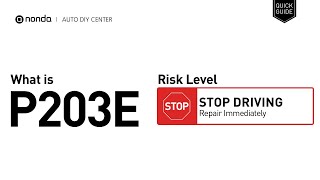
Let me be blunt: you don’t want to put this off. The car might seem fine now, but a bad DEF level sensor can lead to engine power limits or even a no-start situation. Picture that happening miles from home or in rush hour traffic-not fun. Plus, if you ignore it, you risk frying the DEF pump or triggering other emission faults that’ll cost a lot more to fix. Bottom line? Handle it before it grows into a bigger headache.
Effective Repair for P203E trouble code
Here’s the fix list I go by for a p203e code-straight from the trenches and backed by OEM advice:
- Clean up the sensor connector. Scrape off any corrosion, make sure the pins are straight, and lock the connector in tight.
- Patch or replace any damaged wires between the sensor and the computer. If you’re working in a harsh climate, use weatherproof connectors.
- If you’ve ruled out wiring issues and the sensor still looks bad, swap it for a new OEM DEF/reductant level sensor.
- Clear the code and take the car for a test drive. If the code stays gone, you’re golden.
One last thing: check for dealer software updates if there’s a known glitch in the way your car reads the sensor. Always peek at TSBs before buying new parts-you might save yourself some cash and hassle.


Conclusion
If you’re dealing with a P203E code, your vehicle’s DEF fluid level isn’t being read right-usually thanks to a sensor or wiring hiccup. My advice? Start with a close inspection of all wiring and connectors before jumping to parts replacement. Don’t ignore the warning, because letting it slide can mean bigger problems like engine shutdowns or costly repairs. The most reliable fix is tackling wiring and connector issues first, only swapping the sensor when you’re sure it’s shot. That’s how you keep your emissions system running clean and your car on the road, headache-free.
 3968
3968 6 minutes of reading