
Causes of P2051 trouble code
From experience, the most common reasons I see for a P2051 code are pretty straightforward. Usually, it’s one of these:
- A faulty reductant injector valve itself-sometimes the internal electronics just give out.
- A wiring harness issue, like a broken wire or a short somewhere in the circuit leading to the valve.
- A poor electrical connection at the valve’s connector-corrosion, bent pins, or a loose fit can all cause trouble.
Most often, it’s a wiring or connector problem, but I’ve seen the valve itself fail too. Each brand (Chevrolet, Ford, GMC) lists these same root causes, so it’s a universal issue across these vehicles.
P2051 symptoms and warning signs
When this code pops up, you’ll usually notice the check engine light coming on. That’s the main warning most drivers see. In some cases, you might get a message about the emissions system or DEF system needing service. Performance-wise, you probably won’t feel much right away, but if the system can’t inject the fluid properly, it could eventually lead to reduced engine power or even a no-start condition if ignored for too long. I always tell folks: don’t wait for things to get worse, because it can sneak up on you.

dtc P2051 diagnostic steps
Let me walk you through how I handle a P2051 code in the garage. First thing I always do: pop the hood and give the wiring harness and the connector at the reductant injector valve (Bank 2, Unit 1) a good, close look. You’re hunting for frayed wires, corrosion, loose pins, or even a connector that’s just not seated all the way. Don’t be shy - sometimes gently wiggling the harness while someone’s watching the scan tool can help spot an intermittent fault. If everything looks okay visually, I grab my multimeter and check for proper voltage and continuity at the connector. If the wiring checks out, I’ll move on to the valve itself. Sometimes you can hear it click if it’s getting power, or you can measure its resistance and compare to the specs in the manual. Here’s a pro-tip: don’t just stop at the valve. Trace that harness right back to the control module - I’ve seen plenty of breaks hide inside the loom where you’d never guess. If you’re not comfortable poking around with electrical tests, you’re better off letting a seasoned tech handle the deep dives.
P2051 engine code common mistakes
A classic mistake I see all too often is folks swapping out the injector valve right away, thinking that’s gotta be the problem. But more times than not, the culprit is a crusty connector or a hidden break in the wiring. Another misstep? Only checking at the valve and forgetting the other end of the harness at the control module. I can’t count how many times a pin’s been bent or pushed out of place and caused all sorts of headaches. Take the time to do a thorough visual inspection before you start throwing money at new parts.

How serious is obd2 code P2051
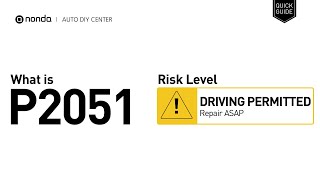
Don’t brush this one off. If the system can’t deliver DEF, your emissions are going to spike - and before long, your truck might throw itself into limp mode or flat-out refuse to start. I’ve seen trucks get stranded on the side of the road when this gets ignored. Plus, running the emissions system dry or with the wrong dosing can clog up the SCR catalyst or fry other expensive components. In other words, the longer you wait, the bigger the headache (and the bill) gets.
Repair solutions for P2051 code
Here’s what’s worked best for me in the bay when fixing a P2051:
- Repair or replace any damaged wiring in the injector valve’s circuit.
- Clean up or swap out any connectors that look corroded, have bent pins, or aren’t making solid contact.
- If you’ve confirmed the valve itself has failed electrically, go ahead and replace it.
- After the fix, clear the code and use a scan tool to make sure everything’s working as it should.
Start with the easy stuff first - wiring and connectors are usually the root of the issue. Only replace the valve once you’re sure it’s the culprit. And always double-check your work before buttoning everything back up.


Conclusion
If you take one thing away from this, let it be this: a P2051 means your reductant injector valve’s electrical circuit (Bank 2, Unit 1) is acting up, and it’s not something to ignore. Catch it early, start with a careful look at the wiring and connectors, and only replace the valve if you’re sure it’s cooked. Quick, methodical troubleshooting is the name of the game here. Wait too long, and you could be in for a world of hurt - and a much lighter wallet.
 4368
4368 5 minutes of reading