
Causes and dtc P2053
From my time under the hood, here’s what usually triggers p2053:
- The reductant injector valve itself fails - that’s the little guy responsible for spraying the DEF.
- Wiring problems: I’m talking about cracked insulation, corroded wires, or wires that’ve been chewed up or pinched somewhere along the harness.
- Loose or grimy connectors at the injector or harness plug can also throw this code.
Honestly, most times I track this down to a wiring or connector issue-especially on trucks that see a lot of salt or mud. But don’t rule out the injector going bad, particularly if the rig’s racked up a lot of miles or the DEF system’s seen some neglect.
Symptoms and P2053
The first thing that’ll probably get your attention? The check engine light. Sometimes, you’ll also get a dash warning about the emissions or DEF system. What I’ve often found is, your truck might still run fine at first. But if you ignore it, the computer can go into limp mode-cutting power or, in some cases, locking you out from starting after you drive a certain distance. That’s the truck’s way of forcing you to fix the emissions system before it causes bigger problems.

Diagnosis with obd2 code P2053
Let me walk you through how I’d chase this one down:
- First off, check for any other codes-sometimes you’ll get a few clues at once.
- Next, pop the hood and find that Bank 1, Injector 2 reductant injector. If you’re not sure on the exact spot, grab your service manual or look up a diagram for your truck-saves a lot of guesswork.
- Give the wiring harness and connector a close look. You’re searching for frayed wires, busted insulation, corrosion, or anything that looks out of place. Don’t just eyeball the outside-take a peek inside the connector for bent or backed-out pins.
- If everything looks solid, unplug the connector and see if there’s any green corrosion or moisture hiding inside. If you spot any, a good cleaning can sometimes work wonders.
- With the battery disconnected (trust me, don’t skip this), grab your multimeter and check for continuity between the injector and the ECM. If you find an open circuit or a short, bingo-you’ve found your problem.
- If the wiring checks out, measure the injector’s resistance. You’ll find the spec in your manual, but most are just a few ohms. Way out of range? That’s a solid sign the injector’s shot.
- And here’s a pro-tip: If electrical stuff isn’t your strong suit, grab a buddy to help. Sometimes a fresh set of eyes will spot what you’ve missed.
Common Mistakes with P2053 code
A classic mistake I see is folks swapping out the injector right away, forgetting to check the wiring first. If it’s just a busted wire or a dirty connector, you’re just throwing money at the problem. Another thing-don’t forget to disconnect the battery before you start poking around those wires. I’ve seen more than a few folks accidentally short something and make the problem worse. Also, check both ends of the harness-sometimes the break or corrosion is up at the control module, not just at the injector end.

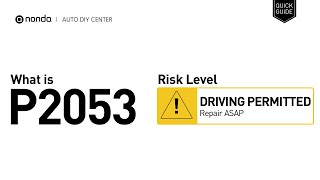
Seriousness of the P2053 engine code
This is one you really can’t ignore. You might not notice any driveability issues right away, but leave it too long and your truck will start limiting power, or even refuse to start after a certain number of miles. That’s not just annoying-it’s your truck’s way of keeping emissions in check, and avoiding trouble with inspectors down the road. Run it like this for too long, and you risk damaging the SCR catalyst or other spendy emissions parts. Take it from me: if your truck’s how you make a living or get around, you want to knock this out before it turns into a much pricier headache.
Repair steps for the P2053 trouble code
Here’s what I do to get a truck back on the road when p2053 pops up:
- First, repair or replace any wiring or connectors that looked rough during your inspection.
- If your injector tested bad on the multimeter, swap it for a new OEM part-you don’t want to cheap out here.
- Once you’ve fixed what you found, clear the code and take the truck for a spin. If the code stays gone, you’re set.
- If you found any coolant or DEF contamination in the connectors, clean everything thoroughly and hit it with a dab of dielectric grease to keep future issues at bay.
And don’t skip that final scan after a drive cycle-nothing worse than thinking you’re done and seeing that check engine light pop back up.

Conclusion
So, here’s the bottom line: p2053 means there’s a problem with the circuit for your reductant injector valve, a vital piece of your emissions system. Nine times out of ten, it’s a wiring or connector issue, but sometimes you’ll need to replace the injector itself. Fix it sooner than later, or you could be facing engine derate, no-start headaches, or some costly repairs down the line. Start with a careful look at your wiring and connectors, sort out what you find, and only swap the injector if you’re sure it’s bad. That’s the best way I know to keep your truck running clean and out of trouble.
 4991
4991 6 minutes of reading