
Causes of P2056
From my time in the bay, I can tell you the usual suspects for a p2056 code are:
- The reductant injector valve itself giving out-sometimes they get gummed up, sometimes they just quit after enough miles.
- Wiring harness problems-think broken wires, shorts, or even insulation cooked by engine heat. Road salt and debris love to chew up these wires, too.
- Electrical connection issues-loose pins, bent connectors, or corrosion right at the valve plug. It's not always obvious, but even a tiny bit of green or white build-up can bring the whole system down.
What I've found over the years is you can't just blame the valve-wiring and connector headaches are just as common, if not more so. Always check the basics before you start swapping parts.
Symptoms Associated with P2056 Trouble Code
When p2056 is present, the first thing you’ll probably see is that check engine light staring you down. Sometimes you’ll also get a message about the emissions system or a warning to service the exhaust fluid system. Here’s the kicker: your vehicle might run just fine at first. But let this go, and it can snowball into engine power getting cut or even limp mode. Trust me, you don’t want to experience limp mode out on the interstate-it’ll turn your day sour in a hurry.

Diagnosis Steps for P2056 Code
Let me walk you through how I chase down a p2056, step by step:
- Start with your eyes and hands-pop the hood, find that reductant injector valve (bank 2, unit 2), and go over the harness. Look for nicks, melted spots, or wires that’ve been rubbing on hot parts. I’ve caught more problems here than anywhere else.
- Check the connector at the valve-pull it apart and look at those pins. Don’t overlook a slightly bent or pushed-back pin, and watch for corrosion. Even a faint green tint can mean big trouble.
- If nothing jumps out visually, grab your multimeter. Check for continuity in the harness and make sure you’re getting the right voltage at the connector. This can tell you if it’s a wiring fault or if the valve itself is toast.
- If the wiring checks out, move on to the valve. Sometimes you can hear it click when it’s triggered, but I like to use a scan tool to command it on and off-watch for a response or a change in current draw.
- Don’t forget to check for technical service bulletins. Sometimes the fix is already documented, and it’ll save you hours of head-scratching.
If you’re not comfortable with a multimeter, get a buddy to help or have a pro take a look. These electrical gremlins can be stubborn.
Common Mistakes with P2056 Engine Code
A classic mistake I see-folks head straight for a new injector valve, thinking that’ll fix it, without even glancing at the wiring or connectors. That’s an easy way to empty your wallet and still have the same code staring you down. Another common oversight? Ignoring corrosion inside the plug. Even a little can ruin the connection. And don’t skip the technical bulletins-manufacturers sometimes have known fixes or updated parts for this exact issue.

Seriousness of DTC P2056 Issues
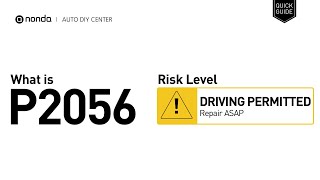
Don’t brush this one off. If the reductant injector valve isn’t working right, your emissions system can’t do its job. Stick your head in the sand, and you’re risking the engine dropping into limp mode or even refusing to start. Worse yet, you can end up frying the injector, damaging the harness, or hurting the emissions control module. I’ve seen things go sideways fast-especially if the system starts to overheat. Play it safe and address p2056 sooner rather than later.
Repair Steps for OBD Code P2056
Here’s what works in my experience, and lines up with what the OEMs recommend:
- Fix or swap out any damaged wires or connectors going to the injector valve.
- If you spot corrosion or poor pin contact, clean it up or replace the connector as needed.
- If the injector valve fails your testing, go ahead and replace it.
- After repairs, clear the code and run the system through its paces to confirm everything’s working as it should.
Don’t forget to triple-check for codes after your fix, and make sure the system kicks on properly before you close the hood for good.

Conclusion
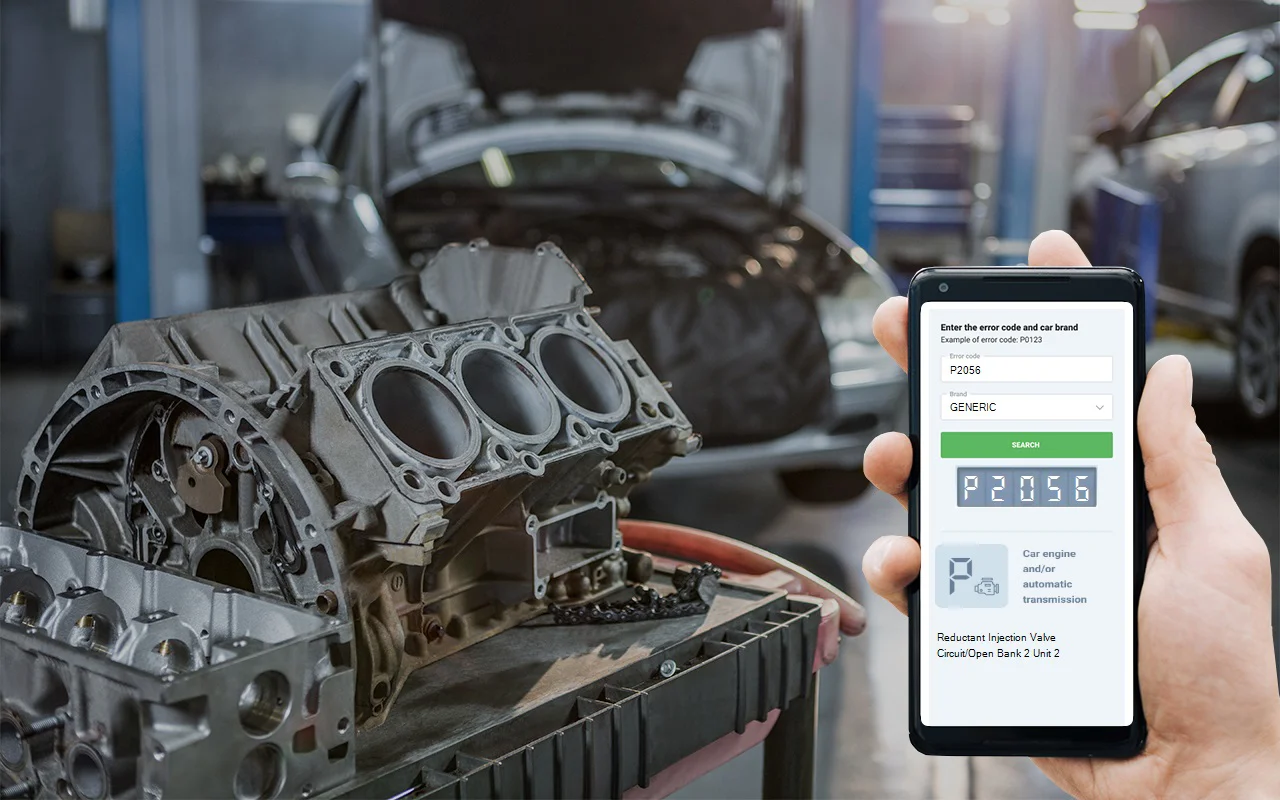
Bottom line-p2056 means there’s a hiccup in the wiring or circuit that controls the reductant injector valve on bank 2, unit 2. This isn’t some minor annoyance; left alone, it’ll go from a warning light to a real power loss or even a no-start in a hurry. My advice? Start at the basics: inspect your wiring and connectors, check for those technical bulletins, and only replace parts after you’ve confirmed what’s really wrong. Move fast and methodically, and you’ll keep your ride happy and yourself out of trouble.
 4735
4735 5 minutes of reading