
Common Causes of obd code P205A
From experience, the most common reasons for a P205A code are pretty consistent across brands like Chevrolet, GMC, Ford, and Volkswagen. Here’s what I usually find:
- A faulty reductant tank temperature sensor itself. This is often the culprit.
- Broken, corroded, or shorted wiring in the sensor harness. Sometimes the wires get pinched or damaged underneath the vehicle.
- Poor or loose electrical connections at the sensor plug. Road salt and moisture can cause corrosion here.
It’s rare, but I’ve also seen issues where the sensor pins are bent or pushed out of place, especially if someone’s worked on the tank before. I recommend starting with the basics before jumping to conclusions about the sensor being bad.
Typical Symptoms of P205A trouble code
Most of the time, when this code sets, all you'll notice is the check engine or service engine soon light glaring at you from the dash. Honestly, that's usually it-at first. Sometimes, especially during a cold snap, you might get a DEF system warning or even find your truck suddenly has a lot less power. If the system thinks the DEF is frozen, it can limit performance to protect the expensive emissions equipment. Let this go too long, and you might find yourself stuck in limp mode or facing a very irritated emissions system. So, while it might not feel urgent at first, it can snowball pretty quick.

Effective Diagnosis Steps for dtc P205A
Whenever I get a P205A on my scan tool, here's the checklist I run through:
- Start with a good, old-fashioned visual inspection. Follow the wiring from the DEF tank-look for torn, pinched, or corroded wires and connectors. Rust, road salt, and sharp debris do a number on these over time.
- Unplug the sensor and take a close look at the pins. Are any bent, pushed out, or corroded? That alone can cause the problem.
- With the connector off, break out your multimeter and check the harness for continuity. If you find an open circuit or a short, you’ve found your issue.
- If the wiring looks clean, test the sensor itself. Most manufacturers give a resistance spec for these sensors-compare your reading to what it should be at room temp. Out of range? Time for a new sensor.
- Always check for moisture or corrosion inside the connector. In winter climates, this is a huge trouble spot. Clean and dry is the goal here.
One tip: if you need to crawl under the vehicle, have a buddy spot you and make sure you’re using proper jack stands. Safety first, always.
Frequent Errors with P205A engine code
A classic mistake I see in the shop is folks throwing a new temperature sensor at the problem before checking the wiring or the plug. More than half the time, it's a crusty wire or corroded pin causing all the trouble-not the sensor itself. Another misstep is skipping the resistance check and just assuming a sensor is good because it 'looks fine' on the outside. Looks can be deceiving. And don’t forget-after any repair, clear that code with your scan tool. Otherwise, you’ll be scratching your head wondering why the light’s still on even after everything’s fixed.

How Serious is obd2 code P205A
Let me be blunt-this is not a code to ignore. Sure, your car will probably run fine at first, but if the DEF system can't keep tabs on its own temperature, things can go sideways fast. If the system thinks the DEF is frozen or can't be monitored, you'll likely end up in reduced power mode-meaning sluggish acceleration and, in some cases, a total no-start. Let it go long enough, and you might even damage pricey emissions components like the SCR catalyst. The longer you wait, the bigger the headache (and the repair bill). Take care of it as soon as possible.
Reliable Repair Solutions for P205A
Based on what I see in the bays and what the factory repair manuals recommend, here’s what usually gets you back on the road:
- Fix or replace any damaged wiring or connectors around the sensor. Clean up any corrosion, make sure those pins are straight, and check that everything’s making solid contact.
- If the wiring’s all good, swap out the reductant tank temperature sensor-remember, it’s often part of the level sensor assembly inside the tank.
- Once repairs are done, use a scan tool to clear the code and double-check live data. Confirm the sensor’s reading is accurate and the code doesn’t return.
If you find any water intrusion, you might need to replace the connector or seal it up tight to keep future gremlins out. Trust me, a little prevention goes a long way.
- P205B P205C .DEF tank temperature sensor bypass. Обманка для датчика температуры мочевины

- fault code P205A | TDS SOFTWARE se gadi kaise check kare | DEF temperature sensor REPAIR kaise kare

- How to Diagnose and Fix P205A Engine Code - OBD II Trouble Code Explain

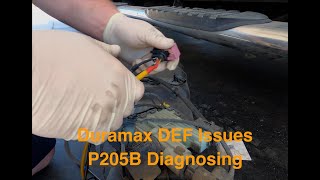
- 2015 Chevy Silverado Duramax P205b Diagnosing DEF Temperature Sensor
Conclusion
Bottom line: P205A means your DEF tank temperature sensor circuit isn’t happy, and you shouldn’t ignore it. In my experience, the quickest way to a fix is a careful look at the wiring and connectors-those are the usual suspects. If they check out, then it’s time to replace the sensor itself. Letting this one slide can easily lead to more expensive problems down the line, like limp mode or fried emissions parts. The best approach? Step-by-step troubleshooting, making sure everything’s clean, tight, and reading right. Don’t drag your feet-take care of it now and save yourself a world of trouble later.

 5542
5542 6 minutes of reading