
Causes and obd code P2063
From what I’ve seen in the shop, the most common reasons for a p2063 code are pretty consistent across BMWs and Volkswagens. Here’s what usually goes wrong:
- A faulty reductant injector air pump-this is the part that actually pushes air into the system to help inject the fluid.
- Wiring issues-like an open (broken) or shorted (crossed) wire in the harness going to the air pump. Sometimes wires get damaged from heat, rubbing, or even rodents.
- Poor electrical connections-corroded, bent, or loose pins in the connectors can cause all sorts of headaches.
- In rare cases, a problem with the PCM itself (the car’s main computer) can be the culprit, but that’s not where I’d start.
Most often, it’s a simple wiring or connector issue, but I always check the pump itself too.
Symptoms and P2063
If you’ve got a p2063 code, here’s what you’ll likely notice: the check engine light will come on and stay lit. In most cases, you won’t feel any difference in how the car drives-no loss of power, no strange noises. But sometimes, especially if the system is really unhappy, you might get a warning about the emissions system or even a message about limited engine performance. From experience, though, the main giveaway is that pesky check engine light.

Diagnosis and P2063 code
Here’s how I tackle a p2063 code, step by step. First, I always start with the basics: I pop the hood and do a good visual inspection of the wiring and connectors going to the reductant injector air pump. I’m looking for anything obvious-broken wires, loose plugs, signs of corrosion, or water intrusion. It’s best to have someone help you wiggle the harness while you watch for any changes. Next, I use a multimeter to check for power and ground at the pump connector. If there’s no power, I trace the wiring back to find where the break is. If the wiring checks out, I’ll test the pump itself by applying power directly to see if it runs. Don’t forget to check the fuses related to this circuit before moving on-sometimes it’s as simple as a blown fuse. If all else fails and everything else checks out, only then do I consider a problem with the PCM, but that’s pretty rare in my experience.
Common Mistakes and obd2 code P2063
I’ve seen a lot of folks jump straight to replacing the air pump without checking the wiring or connectors first. That’s a surefire way to waste money and time. Another common mistake is overlooking a simple blown fuse or missing corrosion inside the connector pins. It’s easy to miss these small details if you’re in a hurry. Always take your time and check the basics before swapping out expensive parts.

Seriousness and dtc P2063
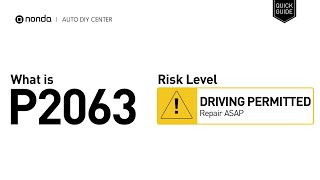
Honestly, this isn’t something you want to ignore. While your car might seem to run fine, the emissions system isn’t doing its job, and that can lead to bigger problems down the road. If the reductant system isn’t working, you could end up with clogged exhaust components, failed emissions tests, or even engine derating (where the car limits its own power to protect itself). Things can go south quickly if overlooked, and repairs get a lot more expensive if you let it slide. Plus, driving around with the check engine light on means you might miss other, more urgent problems if they pop up.
Repair and P2063 trouble code
Once I’ve pinpointed the issue, here’s what I usually do to fix a p2063 code:
- Repair or replace any damaged wiring or connectors going to the air pump.
- If the air pump itself is faulty, swap it out for a new one-making sure to use the correct OEM part.
- Clean any corroded connector pins and make sure they fit snugly.
- Replace any blown fuses related to the circuit.
- In rare cases, if everything else checks out and the problem persists, the PCM may need to be reprogrammed or replaced, but that’s a last resort.
After repairs, I always clear the code and test-drive the car to make sure it doesn’t come back.

Conclusion
To sum it up, the P2063 code means your car’s emissions system isn’t injecting the cleaning fluid properly, usually because of a problem with the air pump circuit. It’s not something to put off-acting quickly can save you from bigger headaches and costly repairs. The most reliable way to fix it is to start with a careful inspection of the wiring and connectors, check the pump, and only move on to bigger components if needed. Don’t ignore that check engine light-get it checked out and fixed right away for your safety and your wallet’s sake.
 5407
5407 5 minutes of reading