P2066 is one of those codes I’ve seen pop up when your vehicle’s PCM (powertrain control module) starts getting odd readings from the fuel level sensor-specifically, the ‘B’ sensor. Now, this sensor’s whole job is to keep tabs on how much fuel you’ve got left, sending a signal to your car’s computer. That number is what ends up on your dash, letting you know if you need to pull over for gas or not. Here’s what’s really happening: as the level in your tank changes, the sensor shifts its electrical resistance. The PCM is constantly monitoring that change, and if it notices a signal that doesn’t make sense-maybe the voltage jumps outside the normal range-it’ll throw a P2066 code. Depending on your vehicle, that sensor could be mounted right on top of the tank, or it might be built into the fuel pump assembly. Bottom line, the code means something’s not adding up with how the sensor is reporting your fuel level.
DTC P2066
 4257
4257 6 minutes of reading
Causes of P2066 trouble code
Speaking from years in the shop, the most common reason for a p2066 code is a bad fuel level sensor. That’s the unit in or on the tank that’s supposed to tell the PCM just how much fuel you’ve got. But don’t overlook the wiring-it’s not unusual for me to find corrosion, a frayed wire, or a loose connector between the sensor and the PCM causing havoc. Every so often, the PCM itself is at fault, but honestly, that’s rare. Here’s what usually trips this code in my experience:
- Defective fuel level sensor
- Wiring issues-think damaged, corroded, or loose connections on the path from the sensor to the PCM
- PCM malfunction (it happens, but it’s the least likely of the bunch)
Symptoms of obd code P2066
If you’ve got a P2066, the first thing you’ll probably spot is your check engine light glaring at you from the dash. I’ve had plenty of customers come in saying their fuel gauge is going haywire-reading empty when they just filled up, bouncing around, or getting stuck in one spot. Sometimes, you’ll also notice your ‘distance to empty’ range suddenly dropping, even though you know you’ve got plenty of fuel. Basically, if your gauge is acting up or you’re getting weird fuel calculations, it’s time to look into this code. Don’t wait too long-these symptoms are a warning sign you shouldn’t ignore.

Diagnosis with obd2 code P2066
Here’s how I tackle a p2066 code when a car rolls into my bay. I always start simple-check the fuel gauge for any funny business. Then, I’ll grab my scan tool to pull the actual code and see what else might be lurking in the system. After that, I get hands-on with a visual inspection: I trace the wiring and connectors running from the fuel level sensor to the PCM, hunting for corrosion, loose plugs, or damage. Sometimes, a buddy is helpful here-they can wiggle wires or move the harness while you watch the gauge for sudden changes. If all the wiring checks out, I’ll test the sensor itself with a multimeter, comparing resistance readings to the specs listed in the service manual. If you can get to the float arm, give it a gentle move-sometimes you’ll catch a sticky sensor this way. Only after I’ve ruled out the obvious do I even think about the PCM being at fault, and that’s a rare day. Pro-tip: always check for Technical Service Bulletins (TSBs) for your vehicle. Sometimes there’s a known glitch or a redesigned part that’ll save you a lot of time and frustration.
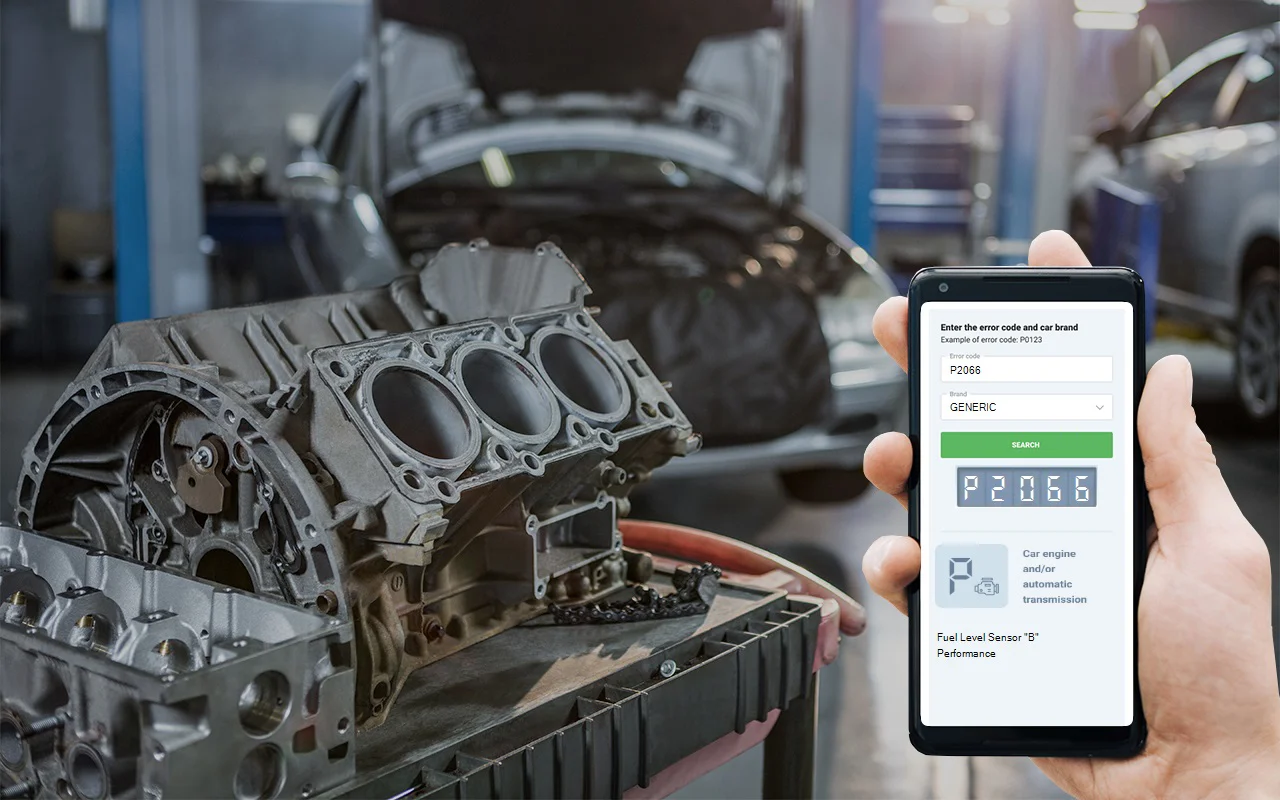
Common Mistakes when fixing P2066
A classic mistake I see is folks swapping out the fuel level sensor right away, without even glancing at the wiring. If all you’ve got is a corroded connector or a pinched wire, you’ll waste cash and time. Another biggie is not following the wiring specs for your specific vehicle-guessing here can lead you down the wrong path. And whatever you do, don’t rush into replacing the PCM unless you’re absolutely sure. I’ve seen too many perfectly good computers tossed for no reason. Always start with the basics and work your way up.

Seriousness of P2066 code
Let me be clear: you don’t want to ignore this one. While you might not get stranded immediately, a bad fuel level sensor means your gauge can’t be trusted. That’s a recipe for running out of gas at the worst possible moment-on the freeway, in a snowstorm, you name it. Besides, consistently running the tank low (especially if you don’t realize it) puts your fuel pump at risk. The pump needs to be submerged to stay cool. Ignore the code, and you could be looking at a much pricier repair in the near future. Don’t put this one off.
Repair steps for dtc P2066
Nine times out of ten, fixing this means replacing the faulty fuel level sensor. Sometimes, you get lucky-a good cleaning or repairing of the wiring or connectors does the trick if corrosion or damage is the culprit. If your sensor’s built into the fuel pump assembly (a common setup), you might need to swap the whole pump. Whatever you do, use parts that are meant for your exact make and model-it’s not the place to cut corners. Only after all this would I even consider the PCM as the issue, and that’s a last resort. Don’t forget to erase the code and double-check everything’s working before you send the car back out. I see this problem show up on plenty of car brands, Mercedes Benz included.
Conclusion
So, if you’re staring down a P2066, your car’s computer isn’t happy with what it’s hearing from the fuel level sensor. In my experience, it’s nearly always a sensor or wiring issue, but you’ve got to get on it quick-guessing your fuel level is a gamble you don’t want to take. My advice? Start with the simple stuff: check the wiring, check the connectors, then move on to testing or swapping the sensor if needed. Don’t ignore the code, because the consequences can hit hard and fast. Stick to a step-by-step diagnosis and use the right parts, and you’ll have your fuel gauge back to its old reliable self.