
Causes and obd2 code P2067
From what I’ve seen in the shop and what the official manuals say, the most common reasons for a P2067 code are:
- Faulty fuel level sensor (the sensor itself has failed or is sticking)
- Wiring issues-like corroded, broken, or loose wires or connectors in the sensor’s circuit
- Poor electrical connections at the fuel pump module or sensor harness
- Problems with the fuel pump module (since the sensor is usually part of this assembly)
- Less often, a fault in the engine control module (ECM) or powertrain control module (PCM)
In my experience, most often the issue is with the sensor or the wiring right at the tank. Moisture, road salt, and age can do a number on those connections. This error can also happen on this car brand Ford, Renault.
Symptoms and obd code P2067
When this code is active, you’ll probably notice your fuel gauge acting up. Here’s what drivers usually report:
- Fuel gauge stuck on empty or full, even after filling up
- Fuel gauge bouncing around or giving obviously wrong readings
- Low fuel warning light coming on when the tank isn’t actually low
From experience, it’s rare for this code to cause drivability problems, but running out of gas unexpectedly is a real risk. If you check with your OBD scanner, you might see p2067 listed as a stored fault.

Diagnosis steps for P2067 code
Here’s how I tackle a P2067 code, step by step:
- First, I always check for other codes-sometimes there’s more than one clue.
- Next, I inspect the wiring and connectors at the fuel tank. Look for corrosion, loose pins, or broken wires. It’s best to have someone help you gently wiggle the harness while you watch for changes.
- Then, I use a scan tool to monitor the fuel level sensor readings. If the sensor is stuck at a low value or not changing at all, that’s a big hint.
- If the wiring looks good, I’ll test the sensor itself with a multimeter, checking resistance across the sensor terminals. Compare the readings to the specs in the service manual.
- If all else fails, I’ll check the fuel pump module, since the sensor is usually built in. Sometimes, you have to drop the tank to get a good look.
Don’t forget to check the ground connections too-bad grounds can cause all sorts of weird issues.
Common mistakes while fixing P2067 engine code
I’ve seen folks jump straight to replacing the fuel pump or sensor without checking the wiring first. That’s a surefire way to waste money. Another common slip-up is not checking for corrosion or water intrusion at the connectors. Sometimes, people clear the code and hope it won’t come back, but that’s just ignoring the root cause. Always make sure to check the basics before swapping parts.

Seriousness of dtc P2067
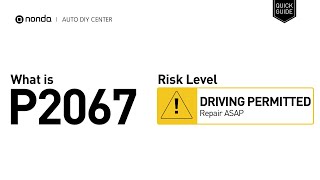
This isn’t something you want to ignore. If your fuel gauge can’t be trusted, you could run out of gas without warning, and that’s a serious hazard-especially at highway speeds or in bad weather. Plus, running the tank dry can damage your fuel pump, which is an expensive fix. Things can go south quickly if you don’t address this, so don’t put it off for later.
Repair steps for P2067
Here’s what usually fixes a P2067, based on verified repair cases and OEM procedures:
- Repair or replace damaged wiring or connectors at the fuel level sensor
- Clean or replace corroded terminals
- Replace the fuel level sensor (often part of the fuel pump module)
- In rare cases, repair or replace the ECM/PCM if it’s confirmed faulty
It’s best to start with the wiring and connections before replacing the sensor or pump module. Make sure everything is clean and tight.



Conclusion
To sum up, P2067 means your car’s computer isn’t getting a proper signal from the secondary fuel level sensor, which can mess up your fuel gauge and leave you stranded. It’s a moderate-to-high priority issue because of the risk of running out of gas and damaging your fuel pump. The most reliable way to fix it is to start with a careful inspection of the wiring and connectors, then test or replace the sensor if needed. Don’t wait on this-getting it sorted now will save you headaches and bigger repair bills down the road.
 5484
5484 5 minutes of reading