Causes and obd2 code P2068
After years turning wrenches and going by the book, here are the most common culprits for a P2068 code:
- The fuel level sensor B itself is shot, worn out, or just plain failed.
- Wiring gremlins-think broken, corroded, or loose wires in the sensor’s circuit.
- Sensor connectors that’ve gotten filthy, corroded, or have bent pins (happens more often than you’d think).
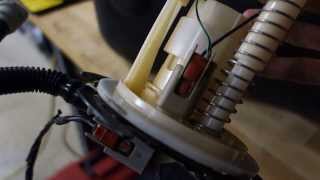
- Trouble inside the fuel pump module, since the sensor often lives as part of that assembly.
- Once in a blue moon, you’ll get a bad PCM or ECM (the car’s main computer), but honestly, that’s rare in real-world shops.
Nine times out of ten, it’s either the sensor or the wiring right at the tank. That’s always my first stop when chasing this code.
Symptoms and obd code P2068
If p2068 is active, here’s what you’re likely to see:
- The fuel gauge might freeze at full, empty, or just go haywire-jumping all over the place without rhyme or reason.
- Your check engine light will probably make an appearance.
- Some cars throw up a warning message like “Check Fuel Level Sensor” or something similar.
- In the worst cases, you might run out of gas without any warning if the gauge is lying to you.
If you spot any of these-especially a misbehaving fuel gauge-chances are good p2068 is behind it.

Common Mistakes and P2068
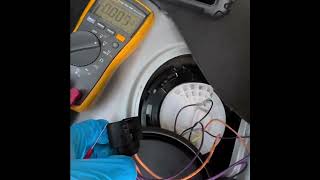
One of the most common blunders I’ve seen is jumping straight to replacing the fuel pump or sensor without first checking the wiring. That’s a rookie move and can get expensive quick. Another thing folks overlook is corrosion or water in the connectors-especially if you’re in an area with harsh winters or heavy rain. Skipping those basic voltage and continuity checks? That’s another way to get lost chasing ghosts. Bottom line: always start with the simple stuff before you start pulling the tank or buying pricey parts.

Repair and P2068 code
Here’s what’s worked for me over the years, and what’s recommended by the manufacturers when it comes to fixing a P2068:
- Repair or swap out any damaged wiring or connectors in the sensor B circuit.
- Clean up and secure all the connections at the sensor and fuel pump module.
- Replace the fuel level sensor B if it’s giving bad readings or isn’t responding at all.
- If your sensor is part of the pump module, you might end up swapping the whole assembly.
- Very rarely, you’ll need to reprogram or replace the car’s computer (PCM/ECM)-but I’ve only seen that once or twice in all my years.
Pro tip: Always start by checking the wiring and connectors before shelling out for a new pump or sensor.
Conclusion
To wrap things up, a P2068 code means your fuel level sensor B circuit is giving a high reading, and your gas gauge can’t be trusted. Start by checking the basics-wiring, connectors, and sensor readings-before you jump into bigger repairs. Don’t brush this code aside; running out of fuel without warning is no joke, and it can lead to bigger headaches. Stick to a methodical diagnosis, and in most cases, fixing a wiring problem or swapping the sensor will get your fuel gauge back on track and keep you safe on the road.
Video for "Error p2068" on YouTube
The following error codes are often searched for

 5191
5191 6 minutes of reading