
Causes and dtc P2069 Troubles
From my time in the shop, I can tell you that p2069 usually points to an electrical gremlin somewhere in the fuel level circuit. Here’s where trouble often hides:
- Wiring or connectors that are loose, corroded, or just plain worn out in the fuel level sensor circuit
- An instrument cluster (that’s your dash gauges) starting to go flaky
- A fuel level sensor inside the tank that’s finally given up the ghost
- A PCM that’s on the fritz-though that’s rare, it can happen
- And if you’re working on a Ford, don’t overlook the instrument panel cluster (IPC) or instrument cluster (IC)-they can easily be the root cause
In my experience, nine times out of ten, it’s a wiring snag or a bad sensor. But every so often, you’ll run into a PCM or cluster that’s gone bad, so keep an open mind during diagnosis.
Symptoms and P2069 engine code Effects
Here’s what you’ll usually see when p2069 pops up. The check engine or service engine light is almost always lit. Don’t be surprised if the fuel gauge starts acting crazy-shows empty when you know the tank’s full, jumps around like it’s got a mind of its own, or just sits dead still. Sometimes, the only clue is that warning light, but don’t let that lull you into a false sense of security. If your gauge isn’t telling the truth, you could run out of gas with no warning. Trust me, you don’t want to be stranded because of a bad reading.

Diagnosis Steps for P2069 code Issues
When I’m tracking down a p2069, here’s the game plan I follow:
- Start by checking for any other codes-sometimes the car is pointing you toward a bigger story.
- Do a careful visual inspection of the wiring and connectors leading to the fuel tank and instrument cluster. I’m hunting for anything off: loose plugs, green or crusty corrosion, frayed wires, or anything that looks out of place. It helps to have a buddy cycle the ignition while you watch the gauge and connections for weird behavior.
- Next up, I plug in a scan tool and watch the live data from the fuel level sensor. If the number is bouncing all over or doesn’t line up with what’s actually in the tank, you’ve probably found your culprit.
- If the wiring checks out, I’ll test the sensor itself. Sometimes, just tapping the tank will make a dodgy sensor act up and reveal an intermittent fault.
- On Fords, I always give the instrument cluster and related modules a careful look-these can cause the code just as easily as a sensor.
- If you’ve ruled everything else out, then and only then do I look at the PCM, but honestly, that’s rarely the answer.
Here’s a pro-tip from the garage: always double-check the simple stuff-loose connectors or dirty terminals can save you hours of headache if you catch them early.
Common Mistakes When Addressing P2069
A classic mistake I see all the time? Folks rush out and swap the fuel level sensor without even glancing at the wiring or connectors. That’s a quick way to burn cash for no reason. Another one-especially with Fords-is not checking the instrument cluster or the related modules, which can be the real troublemakers. Skipping the visual checks or ignoring scan tool live data is another trap. My advice? Always start with the basics. Rule out the easy, obvious stuff before you reach for your wallet.

Seriousness of obd2 code P2069 Problems
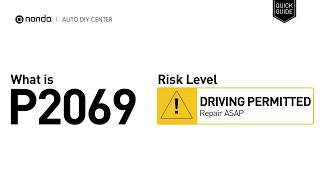
P2069 isn’t something to shrug off. If your fuel gauge isn’t telling the truth, you risk running empty without a hint-and in my book, running out of gas is one of the worst ways to break down. Not only can it leave you stranded (sometimes in a sketchy spot), but it can also burn out your fuel pump, and replacing that isn’t cheap. Basically, let this go and you’re inviting bigger, more expensive problems. Get it checked out right away before things get out of hand.
Repair Solutions for obd code P2069
Based on what I’ve fixed in the bay and what the official repair manuals recommend, here’s how you tackle p2069:
- Patch up or swap out any wiring or connectors in the fuel level sensor circuit that are damaged or corroded
- Replace the fuel level sensor if it’s proven faulty
- If you’re working on a Ford and the instrument cluster or related modules are to blame, repair or replace those as needed
- Every once in a blue moon, the PCM is the problem-replace or reprogram it only if you’re sure
Don’t forget: after the fix, clear the code and double-check the system. You want to be sure the gauge is reading right and the light stays off before you call the job done.
Conclusion
Bottom line? P2069 means your car’s not getting a trustworthy reading from the fuel level sensor, and that messes with your gas gauge-leaving you to guess how far you can go. It’s one of those problems that can snowball if you let it slide. The smart move is to start with a close look at the wiring and connectors, then check the sensor and instrument cluster. Don’t jump to expensive parts until the basics are ruled out. Take care of it promptly, and you’ll save yourself a lot of headaches down the road. In my experience, once you pinpoint the cause, the fix is usually pretty straightforward.

 3618
3618 6 minutes of reading