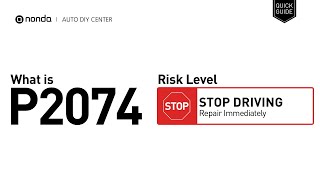
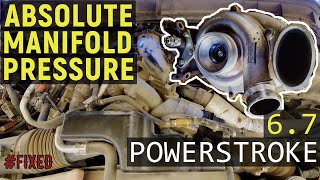
Let me break down what p2074 really means from the trenches. When this code shows up, your car’s PCM-the brain of the operation-is basically waving a red flag, saying the amount of air it’s measuring coming into the engine doesn’t match how wide the throttle is open. I see this most often when someone’s putting the hammer down-think hauling up a steep grade or towing a trailer. The PCM leans on a handful of sensors for this: the MAF, MAP, and TPS. They all need to play nice together, or the readings get out of whack. If, for example, your MAP sensor says the engine’s under heavy load but your MAF or TPS tells a different story, the computer gets confused and triggers p2074. Bottom line: this code means there’s a disconnect between what your engine thinks it’s breathing and how much throttle you’re actually giving it. And trust me, when this system’s out of sync, you’ll feel it-your engine won’t run right, and you’ll probably notice it pretty quick.
DTC P2074
 4217
4217 6 minutes of reading
Causes of dtc P2074
From what I see most often in the shop, P2074 usually comes down to a handful of culprits. Here’s what tends to trigger this code:
- Faulty Mass Air Flow (MAF) sensor - these get dirty or fail over time.
- Bad Manifold Absolute Pressure (MAP) sensor - can give the PCM the wrong info.
- Throttle Position Sensor (TPS) issues - if it’s not reading right, the computer gets confused.
- Vacuum leaks - a cracked hose or loose connection can throw everything off.
- Problems with the charge air cooler or turbocharger - especially on turbo engines.
- Wiring issues - damaged or corroded wires to any of these sensors.
- Internal engine problems - less common, but possible.
- PCM software glitches - sometimes a software update is needed.
After years spent sorting out these codes, I can tell you that most of the time it’s sensor problems or vacuum leaks at fault. But don’t overlook the rest-it’s worth checking each of these before you start swapping parts.
Symptoms of P2074
When p2074 rears its head, you’re bound to notice a few classic symptoms. Nine times out of ten, that check engine light’s front and center. You might feel the engine stumble or hesitate, especially when you step on it. I’ve had customers complain about sluggish acceleration or the car feeling like it’s lost its oomph right when they need it most-say, pulling out into traffic or going up a steep hill. One thing I always ask about is fuel mileage; if you’re suddenly stopping for gas more often, that’s a big clue. In rougher cases, you could even get misfires or a shaky idle. Anytime you’re seeing these kinds of issues, especially paired with p2074, you know it’s time to start looking at the air and throttle systems.

Diagnosis steps for obd code P2074
Here’s how I usually tackle a P2074 code in the shop, and you can do some of these checks at home if you’re comfortable:
- Start by checking for any other codes. Sometimes P2074 is just the tip of the iceberg.
- Inspect the air intake system-look for loose clamps, cracked hoses, or anything that could cause a vacuum leak. Don’t forget to check the connections at the MAF and MAP sensors.
- Take a close look at the MAF sensor. If it’s dirty, carefully clean it with proper MAF cleaner (never use regular cleaners). If it looks damaged or cleaning doesn’t help, replacement might be needed.
- Check the MAP sensor and throttle position sensor connections for corrosion or loose pins. If you have a scan tool, compare their readings to what’s expected at idle and under load.
- If your car has a turbo or charge air cooler, make sure there are no leaks or cracks-these can be hard to spot, so take your time.
- Inspect the wiring harnesses for any signs of rubbing, pinching, or rodent damage. A broken wire can cause all sorts of headaches.
- If everything looks good but the problem persists, sometimes a PCM software update is needed. This is something a dealership or qualified shop can check for.
It’s better to have someone assist you with the visual checks-sometimes a second set of eyes catches what you might miss.
Common Mistakes with P2074 engine code
One of the biggest pitfalls I see is folks swapping out sensors right away without checking for vacuum leaks or busted wires first. That’s a quick way to burn cash for no good reason. Another classic mistake? Grabbing whatever cleaner’s on the shelf for the MAF sensor-use the wrong stuff, and you’ll ruin it. I’ve also seen people ignore other codes that pop up at the same time, which just leads to chasing your tail. My advice: always start with the basics. Don’t let tunnel vision steer you straight into unnecessary repairs.

Seriousness of the P2074 code
Take it from me, this isn’t a code you want to brush off. When your engine’s air and throttle readings are fighting each other, you’re flirting with real trouble. You could end up running way too rich or too lean-either one can cook your catalytic converter, foul up your spark plugs, or trigger nasty misfires. If you’re feeling a loss of power or the car’s running rough, you’re already risking a breakdown. Things can spiral fast if you ignore it, so get on top of this one before it snowballs into a much bigger headache.
Repair solutions for P2074 trouble code
Once you’ve pinned down what’s causing p2074, you’ve got a few tried-and-true fixes:
- Swap out a bad MAF, MAP, or throttle position sensor if testing says they’re toast.
- Patch or replace any hoses or intake bits that are leaking air.
- If it’s just a dirty MAF sensor, clean it-just make sure you use the proper cleaner.
- Chase down wiring problems-fix any broken wires or crusty connectors you find.
- If the turbo or charge air cooler is leaking, repair or replace as needed.
- Don’t overlook a PCM software update; sometimes the fix is as simple as a reflash at the dealer.
From my own experience, it’s usually a bad sensor or a sneaky vacuum leak, but you can’t cut corners-always check the wiring and software while you’re at it.
Conclusion
At the end of the day, p2074 is your car’s way of telling you the air it’s pulling in and the throttle opening just aren’t lining up-usually when it’s under a heavy load. Ignore it, and you’re inviting poor performance and a shot at real engine damage. Your best bet? Start with the basics: hunt down vacuum leaks, check and clean your sensors, and make sure the wiring’s solid. If all that checks out, then dig into the turbo or software side. Don’t drag your feet on this-fixing it fast keeps your ride safe and running right.