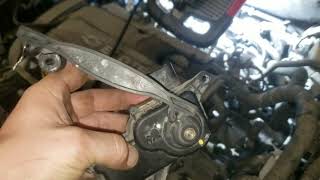
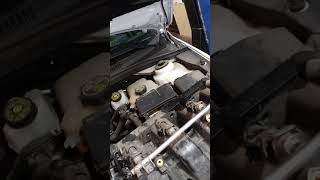
In my years working as an automotive tech, I’ve seen the p2076 code come up plenty of times, and it always points to trouble with the intake manifold tuning setup-usually the position sensor or the actuator that’s responsible for moving the intake manifold runner. If you’re scratching your head, here’s what’s happening: this system changes the route air takes into your engine, depending on your speed or how hard you’re pressing on the gas. On Ford vehicles, you’ll hear it called the Intake Manifold Tuning Valve (IMTV), and the car’s computer keeps it in check. When the computer notices that the valve isn’t moving as it should, or the sensor’s giving it bogus info, it’ll flip on the check engine light with this code. Other brands use different names and designs, but at the end of the day, it’s all about getting the air in just right for the best power and fuel mileage.
DTC P2076
 4655
4655 5 minutes of reading
Causes of P2076 engine code
From my time under the hood-and what the manuals back up-the biggest culprits behind a p2076 code are:
- A failed intake manifold runner position sensor (that’s the piece that tells the computer where the valve’s sitting)
- Wiring or connector issues-think frayed wires, loose plugs, or greenish corrosion creeping in
- A stuck, busted, or electrically dead intake manifold tuning valve (IMTV)
- Mechanical jams in the intake manifold runner control system (IMRC), sometimes from old carbon buildup
- On rare occasions, a glitchy engine computer (PCM)
Honestly, it’s usually the sensor going bad or the valve sticking, especially if your ride has racked up the miles or sees a lot of city traffic. And don’t think this is just a Ford thing-I’ve seen the same mess pop up on Chevrolet and a few other makes, too.
Symptoms of dtc P2076
When dtc p2076 chevrolet is active, the first thing you’ll probably spot is that dreaded check engine light. But it doesn’t always stop there. Sometimes, your engine will feel rough, especially when you’re stepping on it or at certain RPMs. You might notice a hit to your acceleration, maybe even some sluggishness or hesitation when you try to merge onto the highway. Once in a while, there won’t be any obvious problems aside from that warning on your dash-but trust me, that light means something’s brewing under the hood. Whether the check engine symbol is steady or blinking, don’t ignore it.

Diagnosis steps for P2076
When I get a P2076 in the bay, here’s my go-to process:
- Start with a solid visual check. Get a bright light and maybe a mirror, and inspect the wiring and plugs at the intake manifold runner position sensor and IMTV. Look for broken, loose, or corroded connections-these are classic troublemakers.
- If you can, try moving the actuator by hand. If it feels stuck, odds are you’ve found your problem. Carbon and gunk love to jam these up.
- Next, I’ll hook up a scan tool and watch the sensor data as I command the valve open and closed. If the numbers don’t budge or seem way off, that’s a huge clue.
- Still coming up empty? Time to grab the multimeter and check for power and ground at the actuator and sensor. Missing voltage or a bad ground can throw everything out of whack.
- If all that checks out, then-and only then-I start suspecting the PCM, but honestly, that’s a long shot.
Here’s a pro-tip from the garage: have a buddy help when you’re moving the actuator. It keeps your fingers safe and makes the job smoother.
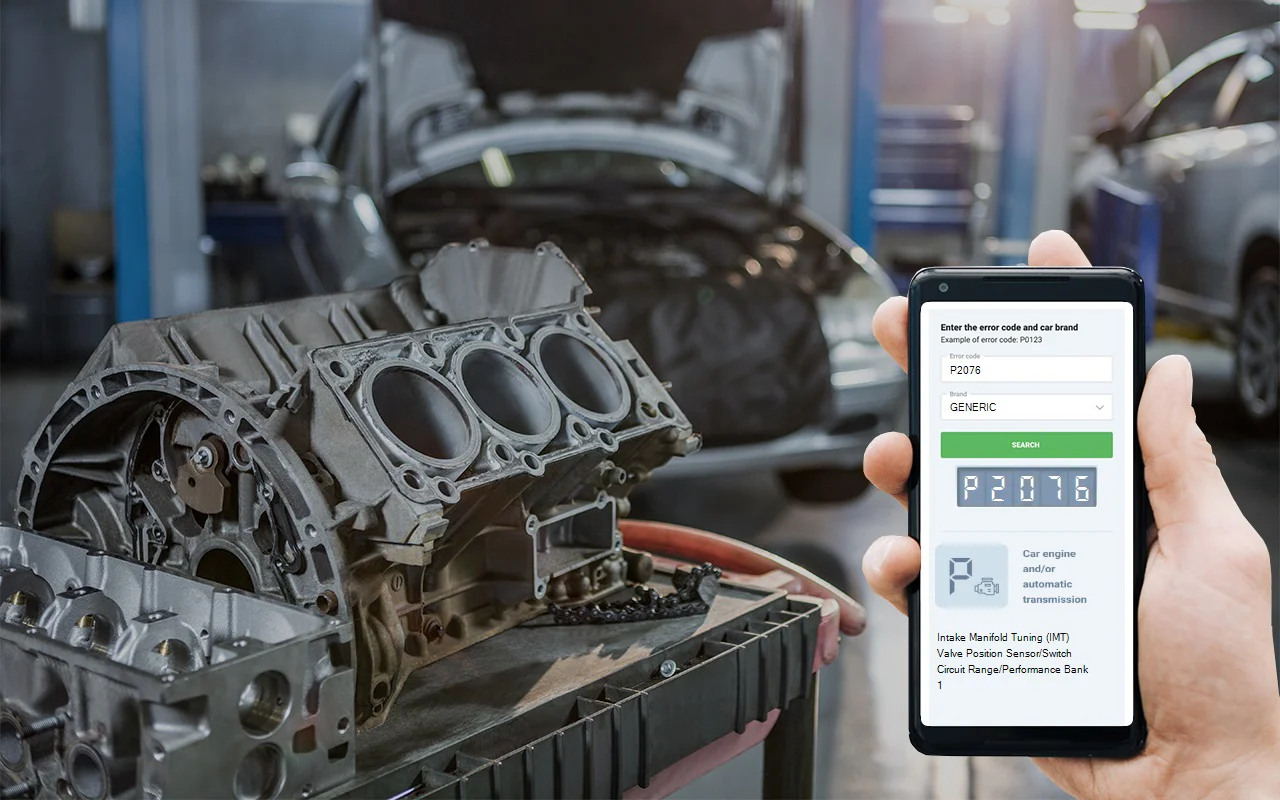
Common mistakes during P2076 code troubleshooting
A classic mistake I see is folks jumping straight to swapping out the sensor or actuator before even glancing at the wiring or connectors. Corroded or loose plugs can mimic a bad part any day of the week. Another one? Forgetting to check if the valve is physically stuck-no amount of new electronics will fix a jammed mechanism. And don’t forget to clear the code and give the car a test drive after repairs. If you miss the root cause, that code’s coming right back.

How serious is obd2 code P2076
Let me put it this way: you don’t want to shrug this one off. Sure, it might not leave you stranded today, but a stuck or faulty intake manifold runner can tank your engine’s performance, send your fuel bill sky-high, and, if ignored long enough, even cause internal engine damage. I’ve seen valves break apart or debris get sucked inside, and trust me, that’s the kind of mess that ruins engines. If you count on your car every day, deal with this code sooner rather than later.
Repair options for P2076 trouble code
Here’s what’s worked for me and other techs over the years:
- Give the intake manifold runner position sensor a good cleaning, or swap it out if it’s toast
- Repair or replace any dodgy wires or connectors you found
- If the IMTV actuator’s sticking or dead, clean it out or replace it
- On rare occasions, the whole intake manifold runner control assembly needs to go
- And only if you’ve ruled out everything else, reflash or swap the PCM-but that’s a last resort
My advice? Always start simple-wiggle the connectors, look for obvious damage, and clean things up before you throw new parts at the problem.
Conclusion
If there’s one thing I’ve learned, it’s that P2076 means your intake manifold tuning system isn’t doing its job, and that spells trouble for how your engine runs. Don’t wait-track down the issue with the wiring, connectors, and actuator first. If those check out, then it’s time to think about replacing a sensor or actuator. Handle it now, and you’ll save yourself bigger headaches (and a fatter repair bill) down the line. Take care of your ride, and it’ll take care of you.