
Causes of the P2081 trouble code
From my time under the hood, I can tell you P2081 usually boils down to a handful of usual suspects. Here’s what I see most often, both in the shop and from manufacturer data:
- The exhaust gas temperature sensor itself has kicked the bucket or is on its last legs.
- There’s an issue with the wiring or connector-look out for corrosion, snapped wires, or pins that aren’t making solid contact.
- Sometimes, soot or crud from the exhaust ends up coating the sensor, which throws its readings way off.
- Every now and then, the engine control module (ECM) itself has an internal snafu, but honestly, that’s pretty rare compared to wiring or sensor failures.
What I’ve learned? Nine times out of ten, it’s either the sensor or the wiring. That’s your starting point for troubleshooting.
Symptoms of obd2 code P2081
If this code’s active, odds are your check engine light is glaring at you. Most of the time, you’ll keep driving like nothing’s wrong-at least at first. But let that problem simmer, and you might start running into bigger issues with your emissions gear. For example, the DPF might quit regenerating, or your car could drop into limp mode just to avoid damage. Some folks notice a stronger exhaust smell or see their gas mileage dip. But really, the first-and sometimes only-thing you’ll spot is that pesky warning light staring you down every time you start the car.

Diagnosis steps for P2081 engine code
When I’m faced with a P2081, here’s the game plan I follow:
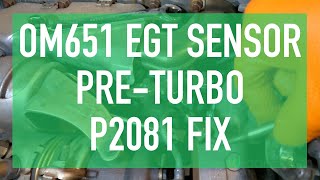
- Start with a good old-fashioned visual check. Pop the hood, track down the exhaust gas temperature sensor for Bank 1, Sensor 1 (usually right up by the engine, just before the catalytic converter). Scope out the wiring and connector for obvious signs of trouble-think melted insulation, green corrosion, or loose connections. I can’t count how many times a hidden wire issue was the real cause.
- If all looks well, I break out the scan tool and check live data from the sensor. When the engine’s cold, the sensor should read close to outside temperature. If it’s showing something wild, you’ve got a lead.
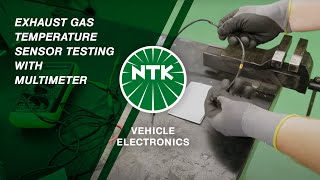
- Next, unplug the sensor and measure its resistance with a multimeter. Compare your numbers to the service manual specs. If the resistance is bouncing around or way off, odds are the sensor’s toast.
- If both the sensor and wiring pass muster, hunt for any technical service bulletins (TSBs) about this code. Sometimes there are new fixes or revised parts the factory recommends.
- Here’s a pro-tip from the garage: have someone wiggle the wiring or connector while you watch the scan tool. If the readings jump around, you’ve probably got a wiring gremlin.
Before you start chasing more complicated problems, always double-check the connector pins for bent terminals or corrosion. Little things like that are easy to miss but cause big headaches.
Common mistakes with obd code P2081
A classic mistake I see? Folks tossing in a new sensor right away without even glancing at the wiring or connector. That’s how you end up spending money for nothing if the real culprit is just a loose pin or broken wire. Another blunder is skipping the resistance check-just because a sensor looks fine doesn’t mean it’s working right. And don’t forget about live data; if you’re not checking how that sensor behaves while the car’s running, you’re only guessing based on the code.

Seriousness of the P2081 code
Trust me, this isn’t one of those codes you want to ignore. Even if your car still drives okay, you’re gambling with some critical (and expensive) parts. If the exhaust gas temperature sensor isn’t doing its job, your car won’t protect the catalytic converter or DPF from getting cooked, and that can mean a hefty repair bill. Sometimes the system will even force the car into limp mode to keep things from getting worse. In short, things can escalate fast if you let this slide. The parts at risk? Catalytic converter, DPF, and even the turbo if exhaust temps spiral out of control.
Repair options for P2081
From what I’ve seen, here’s what usually gets a P2081 sorted:
- Swap out the exhaust gas temperature sensor if it’s out of spec or giving sketchy readings.
- Fix or replace any busted wiring or dodgy connectors you spot during your inspection.
- Clean up the connector and terminals if you see any corrosion or debris-sometimes that’s all it takes.
- If you stumble on a TSB for your car, follow the updated instructions or swap in the recommended parts.
- If you’ve checked everything else and you’re still chasing the code, reprogramming or replacing the ECM is the last stop, but that’s pretty rare.
Once you’ve made your repair, clear the code and take the car for a spin. If the light stays off, you’re golden.


Conclusion
Bottom line: P2081 means your car’s computer isn’t happy with the readings from the exhaust gas temperature sensor on Bank 1, Sensor 1. Don’t drag your feet on this-waiting can turn a simple fix into a wallet-busting repair. Start by checking the sensor and wiring, make sure the readings and resistance are in line, and don’t skip the basics. From years of wrenching, I can tell you most fixes are straightforward-a replacement sensor or a wiring repair usually does the job. Don’t let this one sit; tackle it early and you’ll save yourself a lot of grief down the road.

 5658
5658 6 minutes of reading