
Main Causes of P2083 Trouble Code
From experience, the main culprits behind P2083 show up again and again, no matter if you’re driving a Chevy, Ford, or GMC. Here’s what I usually run into out in the bay:
- The exhaust gas temperature sensor itself has gone bad or is starting to send flaky readings.
- The wiring harness feeding the sensor is damaged-sometimes melted by exhaust heat, sometimes sliced or abraded from rubbing on metal.
- Electrical connections at the sensor plug are less than ideal-look for corrosion, bent pins, or a connector that just doesn’t seat right.
- Exhaust leaks cropping up near the sensor, which can throw off its temperature readings.
- Soot or particulates building up on the sensor, which slows its response or gives inaccurate data.
Don’t make the rookie mistake of blaming the sensor itself right away. In my shop, wiring or connector issues are just as common, so give those a good look.
Warning Signs and Symptoms of P2083
When P2083 shows up, the first thing most folks spot is that pesky check engine light. Sometimes you’ll get an emissions system warning or see a ‘reduced engine power’ message pop up on the dash. Usually, the truck will keep running, but it might slip into limp mode to protect itself. If you let it go, you could be looking at downstream problems with your DPF or emissions gear. But right away? You’re likely just staring at a warning light and wondering what’s next.

How to Diagnose obd2 Code P2083
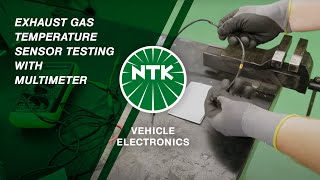
Let me walk you through how I handle a P2083 code when a truck rolls into my garage. First up: a visual inspection. Pop the hood and spot the exhaust gas temperature sensor for Bank 2, Sensor 1-it’ll be tucked into the exhaust pipe ahead of your DPF or DOC. Take a close look at the wiring harness for any obvious problems: melted sheathing, nicks, or spots rubbed raw by vibration. Make sure the connector is snapped in tight and shows no signs of corrosion-any green or white crust means trouble. I’ll unplug the sensor and double-check the pins to see if any are bent or pushed out of place. Got a multimeter? You can run a continuity check on the wiring and measure the sensor’s resistance against the numbers in your service manual. Sometimes, just a gentle tap on the sensor will reveal an intermittent fault. If it all looks good but the code keeps coming back, I’ll swap that sensor with another one (if there’s a match) to see if the fault moves with the sensor or stays put. And don’t forget to sniff out any exhaust leaks near the sensor-they can really mess with readings. Pro-tip: It’s always safer (and easier) if you’ve got someone helping, especially around hot exhaust parts.
Avoiding Common Mistakes with P2083 Engine Code
I can’t count how many times I’ve seen someone throw a brand-new sensor at the problem without checking the wiring or connector first. That’s a quick way to burn cash if the real issue is just a loose pin or cracked wire. Another classic mistake? Overlooking exhaust leaks or ignoring soot buildup on the sensor itself. Skipping a basic visual check can send you chasing your tail. Take a few minutes to double-check all the wiring and connections before you start replacing parts.

How Serious is the DTC P2083 Issue
This isn’t something to push to the bottom of the to-do list. Sure, you probably won’t get stranded on the side of the road, but driving around with a faulty exhaust gas temperature sensor can snowball into bigger headaches-like a clogged DPF or lousy engine performance. If your truck’s computer can’t trust those temperature numbers, it might run a regen at the wrong time, or skip it altogether. That can choke up your emissions system in a hurry. I’ve seen repair bills get ugly fast when this one gets ignored. Bottom line? Tackle it sooner rather than later.
Repair Procedures for OBD Code P2083
Here’s what usually fixes a P2083 in my experience:
- Swap out the exhaust gas temperature sensor (Bank 2, Sensor 1) for a new OEM part.
- Repair or replace any wiring or connectors that show even a hint of damage.
- If you spot soot or grimy buildup on the sensor, give it a good clean-but if it’s really caked on, just replace it.
- Seal up any exhaust leaks near the sensor’s mounting spot.
- Clear the code, then fire up the engine and make sure the code doesn’t pop right back up.
Always double-check you’ve got the right part for your ride, and make sure every connection is secure before you call the job done.



Conclusion
Bottom line? P2083 means your truck’s computer isn’t getting a solid temperature reading from the exhaust gas sensor on Bank 2, Sensor 1. If you put this off, you’re risking some real damage to the emissions system-and a much bigger repair bill down the road. Start with a thorough inspection of the wiring and sensor; that’s where most problems crop up. Catch it early, fix it right, and you’ll keep your truck running smooth and out of the shop.

 3982
3982 6 minutes of reading