
Causes of P2084 trouble code
From my time under the hood and what the official guides say, here’s what usually sets off a p2084:
- The exhaust gas temperature sensor itself is bad-this is the number one thing I see, hands down.
- Wiring or connectors are damaged, burnt, or corroded. I’ve lost count of how many times wires get too close to the exhaust, melt, or connectors just fill with water and turn green inside.
- Loose, bent, or pushed-out pins in the sensor connector that stop the signal cold.
- Exhaust leaks before the sensor-these can totally throw off your readings.
- Too much soot or gunk building up on the sensor, which insulates it and gives bogus numbers.
- On certain Fiats, slapping on a high-flow aftermarket exhaust can mess with the sensor’s readings by dropping backpressure too low.
Most of the time, it’s the sensor or its wiring giving you grief, but I always make sure to check out all the angles above.
Symptoms of P2084 engine code
When p2084 shows up, the first thing that’s hard to miss is your check engine light. Sometimes, you won’t feel a single difference in how the car drives-no weird noises, no drop in power. Other times, especially with diesels, you might get thrown into limp mode where the engine limits itself to play it safe. And here’s something a lot of folks don’t realize: if the emissions system starts acting up (like the DPF not regenerating), things can spiral and you’ll eventually notice some real drivability issues.

Diagnosis with obd code P2084
Here’s the way I tackle a p2084 in the shop:
- First up, I do a visual inspection. Get a good look at the sensor and its wiring harness. Melted wires? Broken plugs? Crusty corrosion? I grab a solid flashlight and, if I can, have a buddy wiggle the harness while I watch for something out of the ordinary.
- Next, I disconnect the sensor and check out the pins-if they’re bent, pushed back, or green with corrosion, I’ll clean or fix them right away.
- I always check for exhaust leaks before the sensor. Even a small leak will mess with readings. Look for black soot stains or listen for a hiss around joints and flanges.
- If everything’s looking good so far, I hook up the scan tool and watch the live data from the EGTS. If that sensor’s reading is way off from the others, or if it never changes, that’s a dead giveaway the sensor’s toast.
- Some vehicles let you swap sensors (same part number) from one spot to another. If the code moves with the sensor, there’s your culprit. Saves you from buying a new one just to guess.
- If I’m still chasing the issue, I’ll break out the multimeter and check the wiring for continuity and shorts, always using the factory wiring diagram as my map.
And here’s a classic mix-up: double-check that you’re working on the exhaust gas temperature sensor, not the oxygen sensor. Especially on Fiats, they look almost identical, and even seasoned techs get them crossed up.
Common Mistakes when fixing P2084 code
Let me share a few of the slip-ups I’ve seen over the years with this code:
- Swapping out the wrong sensor. With EGTS and O2 sensors looking so much alike and sitting side by side, it’s easy to mix them up.
- Ignoring the wiring. Folks will replace the sensor but skip checking the harness or connectors, and the code just comes right back.
- Missing exhaust leaks. Even a hairline leak upstream of the sensor can cause chaos, but unless you’re hunting for it, it’s easy to overlook.
- Not looking for soot buildup. Sometimes the sensor’s just covered in crud and needs a good cleaning or a fresh replacement.
My advice? Don’t rush. Work through each step-sensor, wiring, leaks-before shelling out for new parts.

Seriousness of P2084
Trust me, this isn’t something to shrug off. The exhaust gas temperature sensor is there to keep high-dollar parts like your DPF and catalytic converter from frying. If the sensor’s out of whack, your engine’s computer is flying blind-it can’t control temps, and you might end up with a clogged DPF, a cooked catalyst, or even a seriously overheated engine if things get out of hand. The bills for those repairs? They’ll make your eyes water. Bottom line: don’t put off fixing a p2084, or you could be setting yourself up for a real headache (and a lighter wallet).
Repair steps for obd2 code P2084
Here’s my go-to fix list for a p2084, straight from years of doing this for a living:
- Swap out the exhaust gas temperature sensor if it’s not reading right or it’s kicked the bucket.
- Repair or replace any wiring or connectors that are melted, corroded, or broken leading up to the sensor.
- Patch up any exhaust leaks before the sensor-you want the readings to be dead-on.
- If the sensor’s tip is buried in soot or gunk, clean it or throw in a new one if needed.
- If you’re running an aftermarket exhaust on certain models, you might have to restore backpressure or go back to an OEM-style sensor to keep the readings honest.
One last step: clear the code with your scan tool and take the car for a good drive. If the code doesn’t come back, you’ve nailed it.


Conclusion
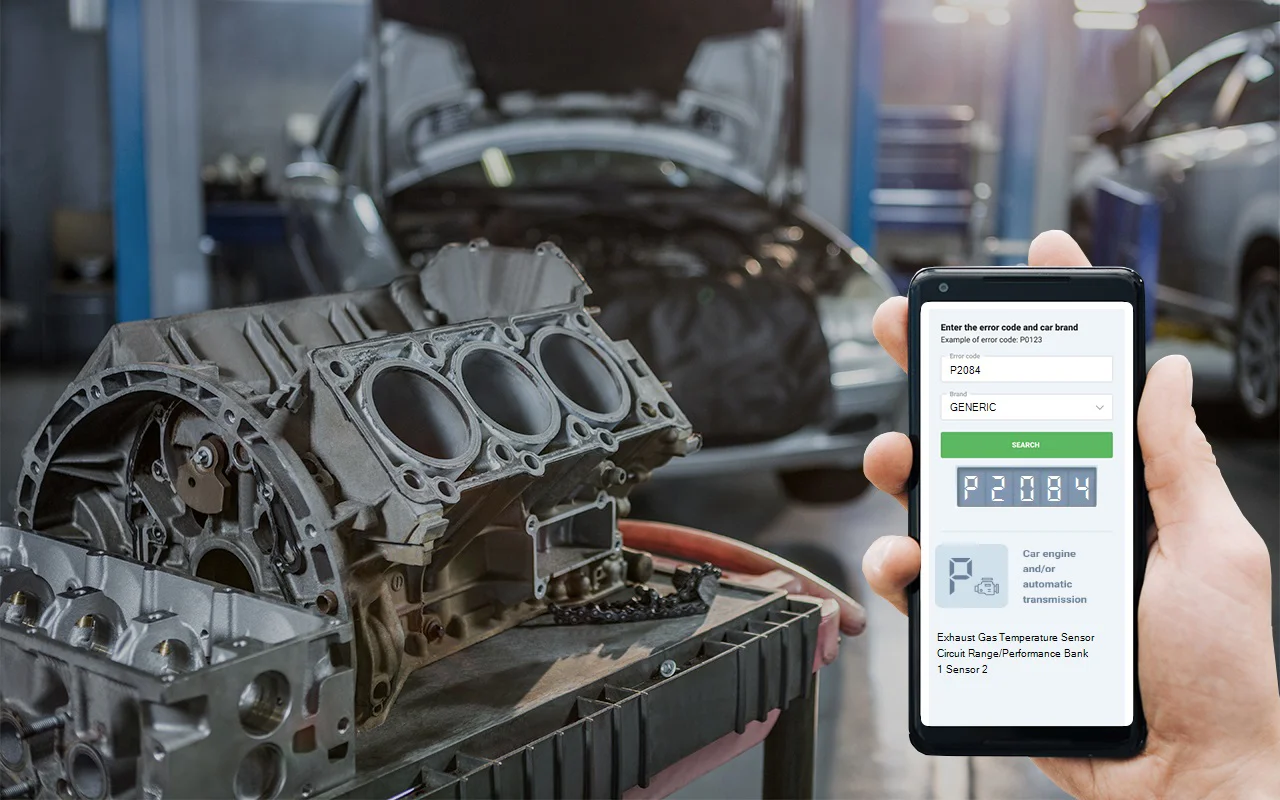
So, to wrap this up: p2084 means your exhaust gas temperature sensor circuit for Bank 1, Sensor 2 is on the fritz. It’s not a minor glitch-it can snowball into expensive damage if you let it slide. My best advice? Start with a thorough check of the sensor, wiring, and connectors, and always keep an eye out for exhaust leaks. Nine times out of ten, swapping the sensor or repairing the wiring sorts it out. Jump on it early and you’ll save yourself a world of trouble and keep your emissions system running strong.
 5235
5235 6 minutes of reading