
Causes of P2085
From my time under the hood, I can tell you that P2085 usually comes down to a handful of culprits:
- The exhaust gas temperature sensor itself has given up the ghost or is starting to fail.
- Wiring problems-think frayed wires, broken insulation, or a connector that’s gotten crusty with corrosion.
- The harness for the sensor can get cooked by heat or battered by road debris.
- Every once in a blue moon, you might be looking at an issue with the engine control module (ECM), but that’s not common at all.
Most of the time, you’re staring at a bad sensor or a wiring problem right at the sensor’s doorstep.
Symptoms Indicating obd2 code P2085
Here’s what you’ll notice when this code is active: the check engine light is usually the first sign. Sometimes, you’ll also get a warning about the emissions system or a DPF alert if your ride has one. I’ve seen engines go into limp mode to protect themselves when the readings are way off, but most folks won’t feel much in terms of drivability at first. That said, ignoring it is asking for trouble-left alone, it can snowball into much bigger headaches later.

Diagnosis Steps for P2085 code
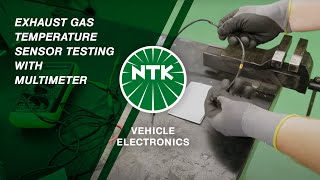
When I get a P2085 in the shop, here’s my go-to approach. Start with a good old visual check-look at the sensor and the wiring for any obvious trouble like burned wires, broken plugs, or green crud on the connectors. Here’s a pro-tip from the garage: have someone wiggle the connector while you watch the sensor reading on a scan tool. If the numbers jump or drop out, you just found your issue. Next, pull live data from the sensor using your scan tool. If the numbers are jumping around or don’t line up with the other sensors, something’s off. Then, unplug the sensor and check its resistance with a multimeter, comparing it to what the service manual says. If it’s way outside the expected range, the sensor’s toast. Don’t forget to trace those wires all the way back to the ECM if everything else checks out. Only after I’ve done all this would I even think about blaming the ECM.
Common Mistakes When Repairing P2085 engine code
I can’t tell you how many times I’ve watched someone swap out the sensor first, only to find out later it was just a dirty connector or a busted wire. That’s money down the drain. Another classic mistake? Failing to check and compare readings from the other exhaust temperature sensors. Sometimes, the issue is upstream or downstream, and this sensor’s just the messenger. I also see folks skipping the resistance test-don’t make that error. It’s a simple step that can save you a lot of frustration.

Seriousness of P2085 trouble code
Take my word for it-this isn’t a code you can afford to ignore. When the exhaust gas temperature sensor stops working right, your engine’s basically flying blind when it comes to keeping exhaust temps in check. If things overheat, you can end up frying your catalytic converter or clogging your DPF, and those repairs aren’t cheap. Worst case, if you wind up in limp mode, you could lose power at a really bad time, like merging onto the highway. Letting this slide can turn a simple fix into a wallet-busting repair job in no time flat.
Repair Steps for obd code P2085
Here’s how I’d tackle a P2085: If the sensor fails the resistance test or the readings are all over the place, swap it out for a new one. If you spot damaged wiring or a corroded connector, fix or replace those sections-don’t cut corners here. Once you’ve made the repair, clear the code and take the car for a good test drive to make sure the issue stays gone. On the rare chance you’ve checked everything and the problem sticks around, the ECM might need to be looked at or reprogrammed, but honestly, that’s not something I see often.



Conclusion
If your scanner’s showing P2085, you’re looking at an exhaust gas temperature sensor problem (Bank 1 Sensor 2), usually thanks to a faulty sensor or messed-up wiring. Don’t put this off-ignoring it can lead to some seriously expensive damage. Take your time with a careful inspection and basic tests, and most of the time you’ll be back on the road with a simple fix. Jump on it early, and you’ll save yourself a world of trouble down the line.

 4749
4749 5 minutes of reading