
Causes of dtc P2087
From experience, the most common reasons for a P2087 code are pretty straightforward, but there are a few things that can trip you up. Here’s what I usually see:
- A faulty exhaust gas temperature sensor (EGTS) itself-sensor 2 on bank 2 is the main suspect.
- Wiring issues, like a broken wire or a short in the harness going to that sensor.
- Poor electrical connections at the sensor plug-sometimes the pins get bent, corroded, or pushed out.
- Exhaust leaks near the sensor, which can mess with the readings.
- Heavy soot or particulate buildup on the sensor, which can insulate it and throw off its measurements.
Honestly, most often the issue is with the sensor or its wiring, but I’ve seen all of these cause trouble at one point or another.
Symptoms of P2087 engine code
When this code is active, you’ll usually notice the check engine light or service engine soon light come on. In most cases, you probably won’t feel any difference in how the truck drives right away, but if the problem sticks around, it can lead to bigger issues with emissions systems. Sometimes, if the sensor fails badly enough, the truck might go into a reduced power or limp mode, especially if the ECM thinks the exhaust is getting too hot. But usually, it’s just that warning light staring you down from the dash.

Diagnosis process for obd code P2087
Here’s how I tackle a P2087 code step by step:
- First, I always start with a visual inspection. Pop the hood and find the exhaust gas temperature sensor (bank 2, sensor 2). Check the wiring harness for any obvious damage-look for melted, frayed, or pinched wires.
- Next, I unplug the sensor and take a close look at the connector. Make sure the pins aren’t bent, corroded, or pushed back. Sometimes a little green corrosion is all it takes to break the connection.
- It’s a good idea to check for soot buildup or debris on the sensor itself. If it’s caked in soot, that can throw off the readings.
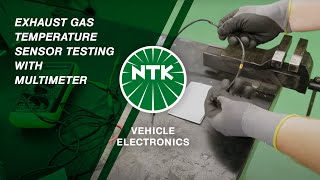
- If everything looks good visually, I’ll use a multimeter to check for continuity in the wiring from the sensor back to the ECM. No continuity means you’ve got a broken wire somewhere.
- After that, I’ll test the sensor’s resistance (most OEM specs are available in the service manual). If the resistance is way off, the sensor is likely bad.
- Finally, I’ll clear the code and see if it comes back after a short drive. If it does, and all the wiring checks out, it’s almost always the sensor itself.
It’s better to have someone assist you, especially if you need to wiggle wires or check connections while watching the scan tool for changes.
Common Mistakes when troubleshooting P2087
A classic mistake I see out in the shop is folks swapping out the sensor right away, without giving the wiring or connectors a second look. That’s a quick way to throw cash at a problem that could be as simple as a loose pin or busted wire. Another thing that gets overlooked? Exhaust leaks right near the sensor-those can play havoc with the readings and are easy to miss if you’re not careful. And don’t sleep on checking for soot buildup on the sensor; I’ve watched plenty of techs miss that detail, and it can absolutely trigger this code.

Seriousness of P2087 code issues
If you’re thinking about putting this off, let me stop you right there. While your engine might run just fine for the moment, the trouble with P2087 is it can snowball. When the ECM loses trust in exhaust temp readings, it can’t manage the DPF or DOC properly. That can lead to those components clogging up or even overheating. DPF failure isn’t just costly-it’s a real safety risk, and in the worst cases, you could end up with a fire if temps get out of hand. Bottom line: don’t let this sit. Take care of it before small problems become big, expensive ones.
Repair steps for obd2 code P2087
When I’m fixing a P2087, here’s what usually gets the job done:
- Swap out the exhaust gas temperature sensor (bank 2, sensor 2) if it fails resistance testing or isn’t responding.
- Repair or replace any busted wiring or connectors you spot during your inspection.
- If the sensor’s just grimy with soot but tests good, give it a thorough cleaning (but if you’re not sure, replacement is cheap insurance).
- Seal up any exhaust leaks near the sensor-accuracy depends on clean readings.
- Clear the code, take it for a test drive, and see if it returns.
Here’s a pro-tip from the garage: start with wiring and connector checks before buying any new parts. That step alone has saved a lot of folks from wasting money on sensors that aren’t the real problem.



Conclusion
To wrap things up, P2087 tells you the exhaust gas temperature sensor circuit is on the fritz, and that’s not something to brush off. Always begin with a close look at wiring, connectors, and the sensor itself. Ignoring this code is a gamble-it can lead to some pricey damage in your emissions system down the line. From all the trucks I’ve worked on, the fix usually comes down to tackling wiring issues first, then swapping the sensor if you need to. Deal with it now and you’ll save yourself a world of trouble later.

 5932
5932 6 minutes of reading