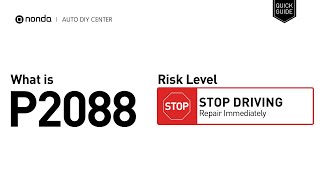
Let me break down what the P2088 code actually means. This code pops up when your car’s computer (the PCM) notices something wrong with the oil control solenoid or its wiring for the variable valve timing (VVT) system on what’s called 'bank 1' of your engine. Basically, the VVT system is what helps your engine switch between being powerful and being fuel-efficient, depending on how you’re driving. It does this by adjusting when the intake and exhaust valves open and close, using a special actuator controlled by oil pressure. When the PCM can’t properly control this actuator-usually because of an electrical issue or a problem with the solenoid itself-it throws the P2088 code. This is all about making sure your engine runs smoothly and efficiently, so when this code comes up, it’s the car’s way of saying, 'Hey, something’s not right with how I’m managing the valves.'
DTC P2088
 3384
3384 5 minutes of reading
Causes of the P2088 code
From what I’ve seen in the shop, there are a few usual suspects when it comes to the P2088 code. Most often the issue is a failed variable valve timing actuator oil control solenoid-that’s the part that actually moves the camshaft to change the timing. But I’ve also run into cases where the wiring to that solenoid is damaged or corroded, which interrupts the signal. Every now and then, the problem is with the PCM itself, either because it’s malfunctioning or it needs a software update. Here’s what I typically find:
- Faulty variable valve timing actuator oil control solenoid
- Damaged or corroded wiring/connectors in the solenoid circuit
- PCM failure or outdated software
It’s best to start with the simple stuff-wiring and connectors-before jumping to conclusions about the solenoid or PCM.
Symptoms of a P2088 engine code
If you’re dealing with a P2088 code, you’ll probably notice a few things while driving. The most obvious is the check engine light coming on. From experience, I can say you might also feel the engine isn’t as peppy as usual-maybe it feels sluggish when you try to accelerate. Another thing to watch for is your fuel economy dropping; you might find yourself filling up more often. These are the main symptoms:
- Check engine light illuminated
- Reduced engine performance-sluggish acceleration or lack of power
- Poor fuel economy
Sometimes these symptoms can be subtle, but if you notice any of them, it’s a good idea to get things checked out sooner rather than later.

Diagnosis steps for obd2 code P2088
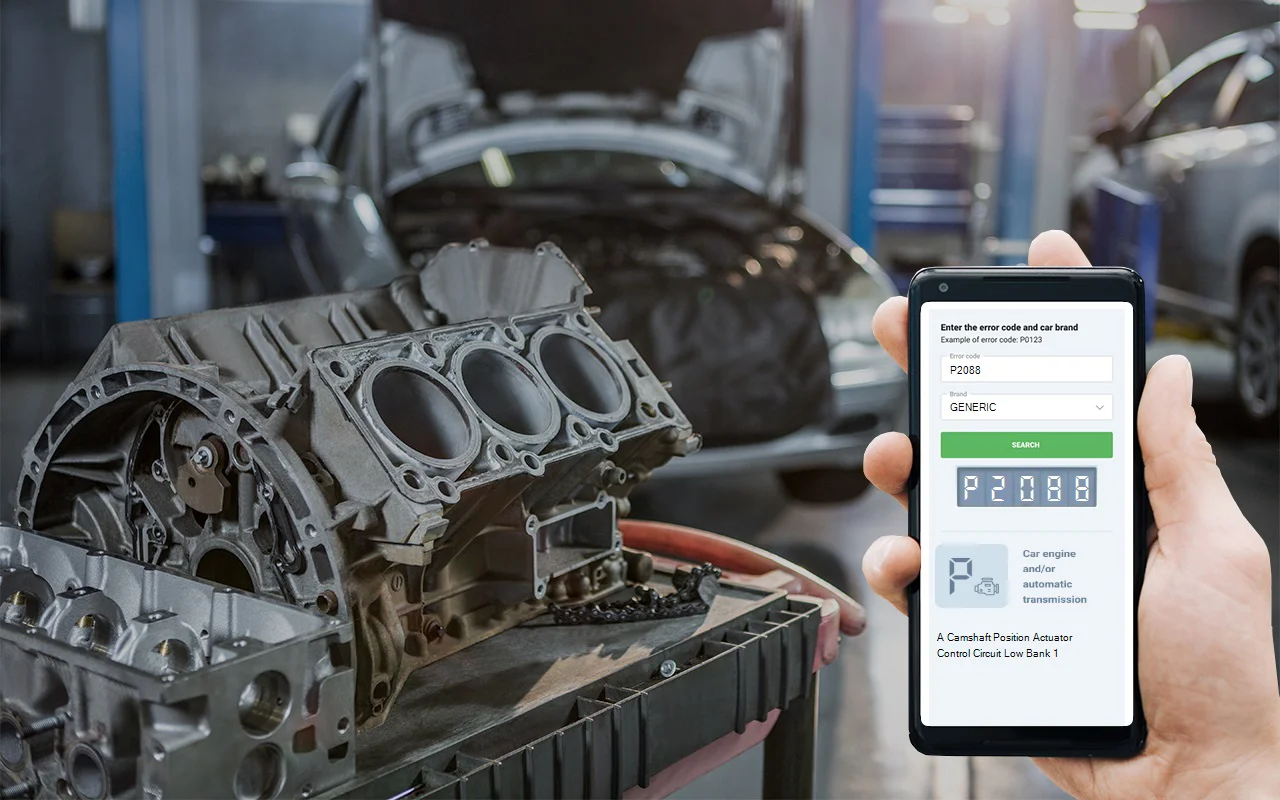
Here’s how I usually tackle a P2088 code in the shop, and you can follow a similar approach if you’re handy. First, I recommend starting with a visual inspection. Pop the hood and look at the wiring and connectors going to the variable valve timing oil control solenoid on bank 1. Make sure nothing’s loose, corroded, or damaged. It’s better to have someone assist you to wiggle the wires while you watch for any changes. Next, I use a multimeter to check for proper voltage and ground at the solenoid connector. If the wiring checks out, I move on to testing the solenoid itself-sometimes you can swap it with the one from the other bank (if your engine has two) to see if the problem follows the part. Don’t forget to check for any relevant Technical Service Bulletins (TSBs) about PCM software updates or known wiring issues for your vehicle. If all else fails, the PCM might be the culprit, but that’s pretty rare in my experience.
Common mistakes when repairing P2088
One thing I see a lot is folks jumping straight to replacing the solenoid without checking the wiring first. That’s a surefire way to waste money if the real problem is just a broken wire or a dirty connector. Another common mistake is overlooking PCM software updates-sometimes a simple reflash from the dealer can fix the issue. And don’t forget to double-check which bank you’re working on; mixing up bank 1 and bank 2 can lead to a lot of unnecessary work. Always start with the basics before replacing parts.

How serious is dtc P2088
Honestly, this isn’t something you want to ignore. If you keep driving with a P2088 code, you risk poor engine performance and higher fuel consumption, which can get expensive fast. More importantly, if the VVT system isn’t working right, it can lead to rough running and even long-term engine damage-things like premature camshaft or actuator wear. In rare cases, ignoring this can cause the engine to run poorly enough to damage the catalytic converter. Things can go south quickly if overlooked, so don’t put this off for later.
Repair procedures for obd code P2088
When it comes to fixing a P2088 code, here’s what I usually do, based on what the diagnostics reveal:
- Repair or replace any damaged wiring or connectors in the solenoid circuit
- Replace the variable valve timing actuator oil control solenoid if it’s faulty
- Update or reprogram the PCM if there’s a relevant software update
- In rare cases, replace the PCM if it’s confirmed to be defective
Always clear the code and test drive the vehicle to make sure the repair worked and the code doesn’t come back.
Conclusion
To sum it up, the P2088 code means your engine’s variable valve timing system isn’t being controlled properly, usually because of a problem with the oil control solenoid or its wiring on bank 1. It’s not something to ignore, since it can lead to poor performance, bad fuel economy, and even engine damage if left unchecked. The best approach is to start with a careful inspection of the wiring and connectors, then test the solenoid, and only move on to the PCM if necessary. Acting quickly and methodically is the most reliable way to get your engine running right again and avoid bigger headaches down the road.