
Causes and obd code P2092
From experience, the most common reasons I see for p2092 are usually electrical in nature. Here’s what tends to go wrong most often:
- Faulty camshaft timing solenoid (VCT/VVT solenoid) on bank 2
- Wiring problems-like a broken, shorted, or corroded wire in the solenoid’s circuit
- Poor electrical connection at the solenoid’s connector (sometimes pins get bent, pushed out, or corroded)
- Less commonly, a problem inside the engine computer (ECU/PCM) itself
- On some Mercedes-Benz models, mechanical issues like incorrect valve timing or low oil pressure can also trigger this code, so it’s important not to overlook those if the electrical side checks out
Most often the issue is with the solenoid or the wiring, but I always keep mechanical causes in mind, especially if the basics don’t reveal the problem.
Symptoms and dtc P2092
When this code is active, you’ll usually notice the check engine light is on-that’s the most obvious sign. Sometimes, you might also feel the engine running rough, especially at idle or when accelerating. You could notice a drop in power, sluggish response, or even increased fuel consumption. In some cases, the car might hesitate or feel like it’s misfiring. But honestly, sometimes the only clue is that warning light on the dash, so don’t ignore it just because the car seems to drive okay.

Diagnosis and obd2 code P2092
Here’s how I usually tackle a p2092 code, step by step:
- First, I always start with a visual inspection. Pop the hood and look closely at the wiring and connector going to the camshaft timing solenoid on bank 2. I’m looking for broken wires, loose plugs, corrosion, or anything that looks out of place. Don’t forget to check for oil leaks around the connector, as oil can get into the wiring and cause trouble.
- Next, I’ll unplug the solenoid and check the connector pins-make sure none are bent, pushed out, or green with corrosion. It’s better to have someone assist you here, just to hold things steady.
- After that, I’ll use a multimeter to check for continuity and shorts in the wiring between the solenoid and the engine computer. If you’re comfortable with a meter, you can do this yourself, but if not, it’s best left to a pro.
- If the wiring checks out, I’ll test the solenoid itself. Sometimes you can swap it with the one from bank 1 (if they’re identical) to see if the problem moves-this is a quick way to confirm a bad solenoid.
- For Mercedes-Benz, I also check the oil level and condition, since low or dirty oil can cause timing problems. Mechanical timing issues are rare, but if everything electrical is fine, I’ll check the timing marks and oil pressure.
It’s best to start with something simple, like the wiring and connectors, before diving into more complex tests.
Common Mistakes and P2092 trouble code
I’ve seen a lot of folks jump straight to replacing the solenoid without checking the wiring or connector first. That’s a surefire way to waste money if the real problem is just a loose pin or a corroded connector. Another common mistake is ignoring the oil level and quality-especially on Mercedes-Benz, where dirty or low oil can actually cause this code. Don’t skip the basics, and don’t forget to clear the code and see if it comes back after repairs. Things can go south quickly if you overlook a simple wiring issue.

Seriousness and P2092 engine code
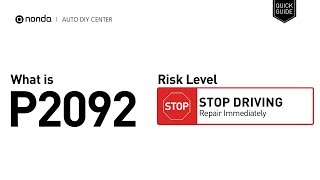
This isn’t something you want to put off for later. If you ignore a p2092 code, you risk poor engine performance, higher fuel consumption, and in some cases, long-term engine damage. If the timing system isn’t working right, it can cause the engine to run rough or even misfire, which can damage the catalytic converter or other expensive parts. Honestly, it’s dangerous to ignore this-especially if you notice the engine running poorly. The risks just aren’t worth it.
Repair and P2092 code
Here’s what usually fixes a p2092 code, based on what I see in the shop and what the official procedures recommend:
- Repair or replace any damaged wiring or connectors at the camshaft timing solenoid
- Replace the camshaft timing solenoid (VCT/VVT solenoid) if it’s faulty
- Clean any oil contamination from connectors and wiring
- On Mercedes-Benz, check and correct oil level and quality, and address any mechanical timing issues if found
- In rare cases, repair or replace the engine control module if it’s at fault
After repairs, always clear the code and test drive to make sure it doesn’t come back.
Conclusion
To sum it up, p2092 means there’s a problem with the electrical control of your engine’s camshaft timing system on bank 2. It’s usually an issue with the solenoid or its wiring, but sometimes oil or mechanical problems can be the culprit-especially on certain brands. Don’t ignore this code, because it can lead to bigger, more expensive problems if left unchecked. The best way forward is to start with a careful inspection of the wiring and connectors, then move on to testing the solenoid and checking oil condition. Fixing the root cause promptly is the most reliable way to keep your engine running smoothly and avoid headaches down the road.
 3979
3979 6 minutes of reading