
Main Causes of dtc P209D
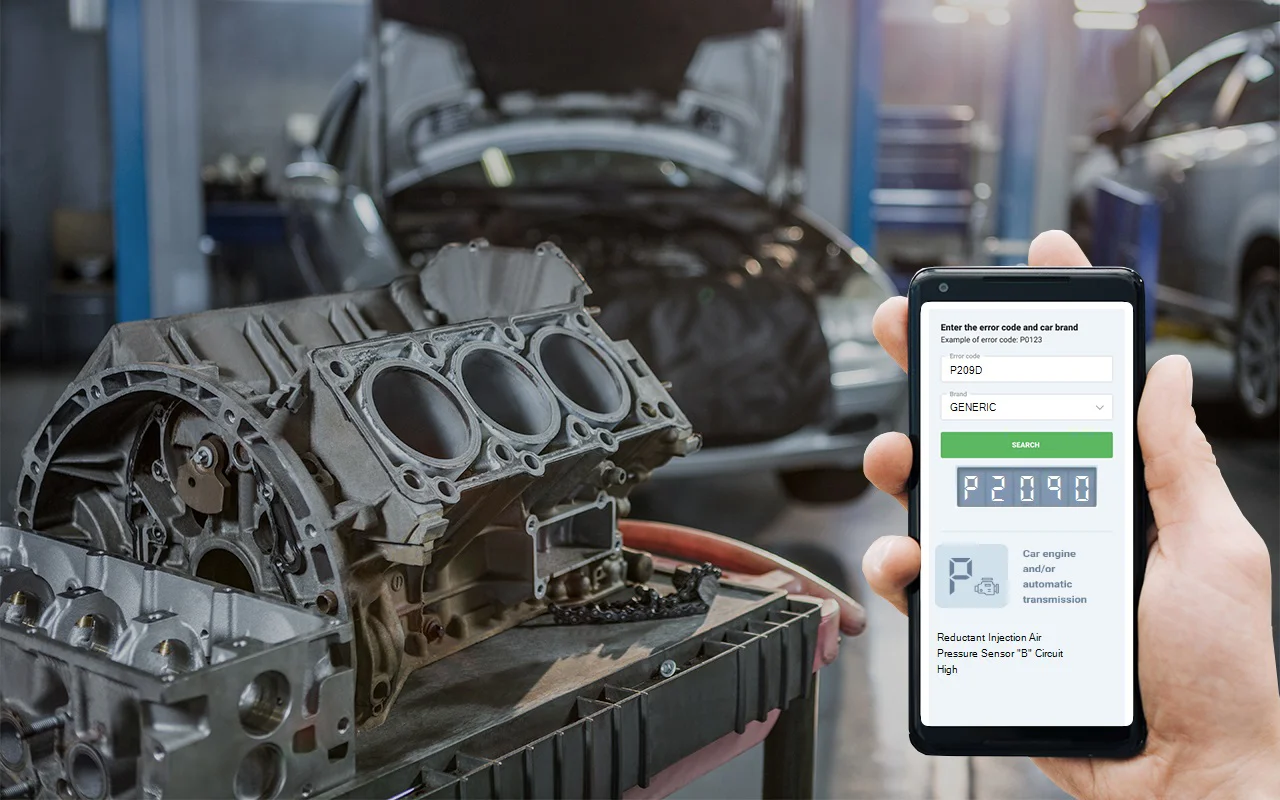
From what I see most often in the shop, the usual suspects for a P209D code are:
- A faulty air pressure sensor for the reductant injection system-these can fail over time or due to contamination.
- Damaged wiring harnesses-wires can get pinched, rubbed through, or shorted, especially near connectors or where they run close to hot or moving parts.
- Poor or corroded electrical connections at the sensor-sometimes it’s just a loose or dirty plug causing all the trouble.
In rare cases, it could be a problem with the control module itself, but that’s not where I’d start. For Chevrolet, Ford, and GMC, these are the main things I check first.
Typical Symptoms of P209D code
When this code is active, the most obvious thing you’ll notice is the check engine light coming on. Sometimes you might also see a warning about the emissions system or DEF system on your dash. Most drivers won’t feel any difference in how the vehicle runs at first, but if the problem sticks around, you could eventually see reduced engine power or get stuck in a limp-home mode. From experience, it’s best not to ignore these warnings, even if the truck seems to drive fine for now.

Diagnosis Process for obd2 code P209D
Here’s how I tackle a P209D code, step by step:
- First, I always start with a visual inspection. Pop the hood and find the reductant (DEF) injection system’s air pressure sensor-usually near the DEF tank or along the exhaust line. Look for any obvious signs of damage to the sensor, wiring, or connectors.
- Next, I check the wiring harness. Gently wiggle the wires and look for any spots where insulation is rubbed off, wires are pinched, or connectors are loose or corroded. Don’t forget to check both ends of the connector-sometimes a pin gets pushed out or bent.
- If everything looks good visually, I use a scan tool to clear the code and see if it comes back right away. If it does, I’ll use a multimeter to check the voltage at the sensor connector. Compare what you see to the specs in the service manual-if it’s way too high, the sensor or wiring is likely at fault.
- If you have access to a known-good sensor, swapping it in for a quick test can save a lot of time. If the code goes away, you’ve found your culprit.
- It’s better to have someone assist you if you’re not comfortable with electrical checks-don’t risk shorting something out.
Always double-check the basics before moving on to more complex diagnostics. Most times, the issue is right at the sensor or its wiring.
Common Mistakes to Avoid with P209D
I’ve seen folks jump straight to replacing the sensor without checking the wiring or connectors first. That’s a surefire way to waste money if the real problem is just a loose or corroded pin. Another common mistake is not clearing the code after repairs and assuming the fix didn’t work. Always clear the code and see if it returns. Don’t forget to inspect the harness along its full length-sometimes damage is hidden where you least expect it.

Seriousness of obd code P209D Issues
This isn’t something you want to put off. While you might not notice any drivability issues right away, ignoring a P209D code can lead to bigger headaches. The emissions system could stop working properly, which can eventually trigger reduced engine power or even prevent the vehicle from starting. Over time, running with a faulty sensor can cause damage to the DEF injection system, the catalyst, or other emissions components. Honestly, it’s dangerous to ignore this-things can go south quickly if overlooked, and repairs get a lot more expensive down the line.
Effective Repair Steps for P209D trouble code
Here’s what I usually do to fix a P209D code:
- Replace the air pressure sensor for the reductant injection system if it’s faulty or out of spec.
- Repair or replace any damaged wiring or connectors-make sure everything is clean, tight, and free of corrosion.
- Clear the code with a scan tool and test drive the vehicle to make sure it doesn’t come back.
- If the problem persists after these steps, further diagnosis of the control module or related systems may be needed, but that’s pretty rare in my experience.

Conclusion
To sum it up, P209D means your vehicle’s emissions system isn’t getting the right signal from the air pressure sensor in the DEF injection circuit. It’s important to address this quickly-don’t wait until you’re stranded or facing a costly repair. Start with a careful inspection of the sensor and wiring, as that’s where most issues are found. Fixing this promptly keeps your emissions system healthy and your vehicle running smoothly. If you’re not comfortable with the checks, it’s best to get a professional involved sooner rather than later.
 3885
3885 5 minutes of reading