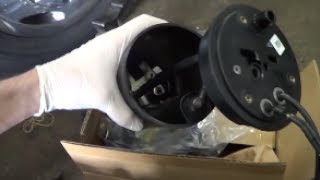
If you're seeing the P20B9 code pop up, let me break it down for you based on what I've learned in the shop. This code means your vehicle’s computer has picked up a fault in the control circuit tied to what's called the "Reductant Heater A." Now, this heater is tucked into your diesel’s exhaust system-specifically part of the selective catalytic reduction (SCR) setup. Its job? Keeping your diesel exhaust fluid (DEF) from freezing up when temperatures drop. When the DEF gets too cold or starts to crystallize, the system can't do its job, so the heater steps in. If the computer isn’t getting the right voltage from the heater’s wiring, or the heater itself isn’t working, you’ll get this code. That "A" just means it’s the first heater if your system has more than one. Since the SCR system is what helps slash emissions, any hiccup here means your vehicle’s exhaust might not be as clean as it should be. Trust me, this one’s worth paying attention to.
DTC P20B9
 5699
5699 6 minutes of reading
Causes of dtc P20B9
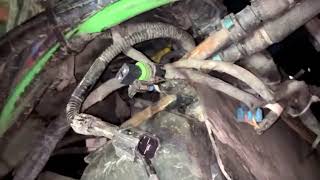
After years of tracking down this code, I can tell you the most likely culprit is the heater itself giving up the ghost, but don’t rule out trouble in the wiring. Think broken wires, green fuzz from corrosion, or a connector that’s barely hanging on. Every now and then, I've seen a faulty temperature sensor set this code or the tank heater itself acting up. It’s rare, but sometimes the SCR controller or your PCM (that’s your vehicle’s main computer) can glitch out and throw this code, especially after a programming hiccup. Here’s my usual checklist:
- Reductant heater failure (seen this one on Fords, Renaults, and others)
- Open or shorted circuits in the heater control wiring
- Bad reductant temperature sensor
- Reductant tank heater on the fritz
- Faulty SCR controller or PCM
- Programming/software bugs
- Other wiring headaches-corrosion, loose connections, you name it
Symptoms of P20B9 engine code
When P20B9 shows up, the check engine light is your first sign. In my shop, most folks also tell me their vehicle feels gutless-acceleration drops off, and it just doesn’t have the same zip. If you’re watching your fuel gauge, expect it to drain a little faster. Sometimes you’ll spot extra black smoke out the tailpipe, which tells you the emissions system isn’t pulling its weight. If the DEF can’t get warmed up, it won’t inject the way it’s supposed to, and that messes up the whole SCR process. A classic side effect: The diesel particulate filter (DPF) may refuse to regenerate, and you could see other warning lights or codes crop up, like sa 17 dtc p20b913. It’s not something you want to ignore.

Diagnosis with obd code P20B9
Let me walk you through how I tackle a P20B9 code. First off, always start simple. I head straight to the DEF tank and look for anything out of place-damaged wires, connectors that look crusty, or anything loose. Here’s a pro-tip: If you’ve got a buddy, have them wiggle the wires while you keep an eye out for changes in the scan tool readings. Scan the car with an OBD tool and confirm the code, while hunting for any related codes that might give you more clues. Next, I grab my multimeter and check for power and ground at the heater’s connector. If you’re not seeing voltage, follow the wiring back to the control module, watching for any breaks or shorts. If all the wiring checks out, I move on to checking resistance in the heater itself-looking for an open or short circuit. Don’t skip the temperature sensor; a bad reading there can trigger this code too. If everything looks good, I’ll see if there are any software updates or technical service bulletins that mention this problem. Only after ruling out all the basics would I suspect the SCR controller or PCM, since those failures are pretty unusual. And if you’re poking around with a scan tool, you might see obd p20b9 show up in the results.

Common Mistakes with P20B9
Over the years, I’ve seen plenty of folks throw a new reductant heater at their truck before checking the wiring. That’s a costly move if the problem’s just a broken wire or a corroded connector. Another slip-up? Ignoring the connectors-those tiny pins can get loose or rusty and cause headaches. I’ve also watched people overlook related codes that could be pointing right at a sensor or even the controller. And don’t forget to hunt down software updates or TSBs; skipping that step can leave you spinning your wheels. Take your time and inspect everything before shelling out cash for pricey parts.

Seriousness of P20B9 trouble code
Don’t mess around with this one. If you rely on your diesel for work or long drives, ignoring P20B9 is asking for trouble. When the SCR system stops doing its job, emissions shoot up and you risk your vehicle shutting itself down. I’ve seen catalysts get ruined because the DEF wasn’t being injected right-those repairs aren’t cheap. If you let this slide, it can snowball fast, taking out the DEF tank heater, SCR controller, and even the DPF. It’s a critical fix, so deal with it sooner rather than later.
Repair for P20B9 code
Here’s what’s worked best for me: If the heater’s shot, swap it out. Patch up any busted or corroded wiring, and make sure all the connectors are clean and locked in tight. If the temperature sensor’s gone bad, replace it. Sometimes, a fresh software update or a reflash of the SCR controller or PCM is all it takes. If the controller itself is dead, you’ll have to replace it-but that’s pretty rare. After the fix, always clear the codes and take the vehicle for a test drive to make sure everything’s working. Occasionally, you’ll see dtc p20b9 mentioned in technical service bulletins, so it pays to check those before you dive in.
Conclusion
So, here’s the takeaway: P20B9 means your DEF tank heater circuit is acting up, and that’s not something to ignore if you care about your emissions system. If you put it off, you’re risking even bigger-and pricier-problems down the line. Start with a thorough look at the heater, wiring, and connectors, then move on to sensors and software. Fixing it quickly and methodically is the best way to keep your ride running clean and avoid shelling out for major repairs later.