
Causes of P20CD code
From what I see most often in the shop, there are a few usual suspects when it comes to P20CD:
- Wiring harness damage-like chafed, pinched, or melted wires causing a short to ground.
- Corroded or loose connectors at the HC injector or along the harness.
- Faulty HC injector itself (internal short).
- Problems inside the engine control module (ECU), though this is much less common.
In cases like this, it’s usually a wiring or connector issue, but I’ve seen a few injectors go bad too.
Symptoms of P20CD
When this code pops up, you might notice a few things:
- The check engine light will almost always be on.
- You may see a warning about the emissions system or aftertreatment system on your dash.
- In some cases, the vehicle might go into a reduced power or "limp" mode to protect itself.
- Most drivers don’t feel a difference in how the car drives right away, but if left alone, you could start having performance issues or even trouble passing emissions tests.

Diagnosis steps for P20CD trouble code
Let me walk you through how I usually chase down a P20CD, step by step:
- Start by checking for any other trouble codes. Sometimes, these codes travel in packs and you can get extra clues from a related issue.
- Next up, I give the wiring and connectors at the HC injector a solid visual inspection. Look for anything obvious-broken, melted, or rubbed-through wires, corroded pins, or connectors not seated properly. Good lighting helps, and a small inspection mirror can be a lifesaver in those tight engine bays.
- After that, unplug the injector and take a close look at both the harness side and the injector side for signs of moisture or the dreaded greenish corrosion. Don’t overlook this-water’s a sneaky culprit.
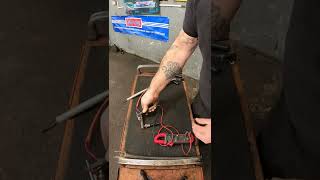
- Grab your multimeter and check for continuity between the injector control wire and ground. If you get a closed circuit, bingo-you’ve found a short to ground.
- If the wiring passes muster, check the injector itself for internal shorts. If it’s out of spec, time for a new one.
- Last but not least, if you still haven’t found the problem, trace the circuit back to the ECU. Problems there are rare, but I’ve seen a couple over the years.
Honestly, having an extra set of hands under the hood makes this job a lot easier-sometimes you need someone to wiggle wires or hold things back just to get a proper look.
Common mistakes when fixing P20CD engine code
A classic mistake I see is folks swapping out the injector first, without ever checking the wiring. That’s an easy way to throw away money and not fix the problem. Another misstep is forgetting to disconnect the battery before fiddling with electrical connectors-trust me, you don’t want to fry the ECU. And don’t gloss over checking for corrosion or water inside those connectors. Miss that, and you might be back in the shop sooner than you think with the same code.

Seriousness of dtc P20CD
Let me be clear: this isn’t a code you can just ignore and hope for the best. Sure, you might be able to drive for a while, but with a failed HC injector circuit, your emissions system is out of commission. That means more pollution, flunking emissions inspections, and sometimes your car will even kick into limp mode. If you leave it alone, you’re playing with fire-damaging expensive aftertreatment parts like the catalytic converter or DPF can hit your wallet hard. I’ve seen repairs skyrocket when folks wait too long, so take this one seriously and get it fixed before it snowballs.
How to repair obd code P20CD
Here’s my go-to method for sorting out a P20CD:
- Patch up or swap out any damaged wiring or connectors in the HC injector circuit.
- Clean and secure every electrical connection-sometimes all it takes is a good scrub and re-seating to get things working again.
- If the injector itself is showing a short internally, replace it with a genuine OEM part. Don’t gamble on cheap aftermarket stuff for this job.
- Clear the code and run a full system test to make sure the fix sticks. Sometimes you’ll need to reset the ECU or drive a bit for the system to do its self-check before the code finally disappears.


Conclusion
Bottom line? P20CD points to an electrical fault with the exhaust aftertreatment fuel injector “A”-most often a short to ground in the wiring or connector. The best way to tackle it is to start with a sharp-eyed inspection of the wiring and connectors before you even think about replacing parts. If you let it slide, you could be looking at bigger headaches and some serious repair bills down the line. Take a methodical approach, sort out the wiring first, and only swap the injector if you’re sure it’s bad. Don’t wait-get on top of this code before it turns into a real problem.
 5072
5072 5 minutes of reading