
Causes of dtc P20E9
From my time under the hood and what the service manuals back up, here are the most common reasons you’ll see a P20E9 code:
- DEF (AdBlue) line gets blocked up, usually from fluid that’s crystallized over time. That stuff can cause all sorts of trouble.
- A DEF pump that’s failing-could be sticking or just plain worn out-so pressure builds where it shouldn’t.
- Pressure sensor in the DEF system takes a dive or starts sending bogus readings.
- Wiring or connector issues-trust me, even a little corrosion or a loose plug can throw the whole system off.
- Clogged DEF filter, making it tough for the fluid to circulate properly.
Honestly, blockages and bad pumps are what I see most often, but I’ve run into every item on this list at one point or another.
Symptoms of obd code P20E9
So, what should tip you off that you’ve got a P20E9 problem? Usually, you’ll spot a warning light on your dash, often something about emissions or DEF. Sometimes the car throws itself into a limp mode to protect the engine. Some vehicles even flash up messages about limited starts or a countdown before the engine refuses to run. Most drivers tell me they don’t notice anything odd about how the car drives at first-but let it go, and the symptoms get worse, fast. Don’t make that mistake.

Diagnosis with P20E9 engine code
Let me walk you through how I tackle a P20E9 code in the shop, step by step:
- First thing I do is scan for any other trouble codes related to the DEF system-sometimes you get a bundle of clues, not just one.
- Then I get my eyes on everything-a thorough visual inspection for leaks, busted lines, or the telltale white crust of crystallized DEF around the pump and lines. If you’ve got a helper, have them cycle the ignition while you watch for leaks.
- Next, check the DEF fluid level and quality. Make sure it’s topped up and not contaminated; old or dirty fluid can cause real problems.
- With a scan tool, I watch the live pressure readings from the DEF line while the pump runs. If the numbers are sky-high, I start suspecting a blockage or a pump that’s stuck.
- I’ll disconnect the DEF line at the injector (but only with the system off and depressurized-safety first!) to see if fluid flows out. If not, you’re looking at a blockage or a plugged filter.
- If the flow’s good, I move on to checking the pressure sensor and wiring-looking for broken wires, corrosion, or loose connectors. Sometimes a quick cleaning fixes everything.
- If all else checks out, it’s time to listen to the pump itself-any weird noises or slow operation can point you to a failing part.
Here’s a veteran tip: Don’t skip checking the DEF filter. It’s a simple thing, but it can save you hours of troubleshooting and a lot of money.
Common Mistakes When Dealing With P20E9
A classic mistake I see all too often is folks throwing a new DEF pump at the problem without checking for a clogged filter or a blocked line first. Pumps aren’t cheap, and you might not fix anything. Another pro-tip: Never overlook wiring and connectors-a little corrosion or a loose plug can mimic a major failure. And don’t just clear the code and hope for the best. If you don’t address what’s causing the code, it’ll pop right back up and could leave you stranded when you least expect it.

Seriousness of P20E9 code
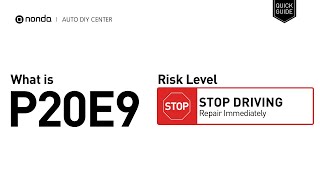
Let me be straight with you-this isn’t a code you want to ignore. High pressure in the DEF system can lead to leaks, or even wreck the pump and lines if you keep driving. In many cases, your ride will go into limp mode or eventually refuse to start at all. Driving around with a busted emissions setup isn’t just risky-it can end up costing you big time. You don’t want to be the one paying for a new pump or injectors because you put off a fix. Trust me, I’ve seen it happen.
Repair Steps for obd2 code P20E9
Here’s how I usually sort out a P20E9 code, both from hands-on experience and what the manuals recommend:
- If the DEF fluid looks dirty or smells off, flush it out and put in fresh fluid.
- Check the DEF filter-if it’s clogged, clean it or swap it for a new one.
- Clear out any blockages in the DEF line. Often, scraping away crystallized deposits is all it takes.
- If the pump’s shot or not spinning like it should, replace it.
- If the pressure sensor’s gone bad, put in a new one.
- Repair or clean up any dodgy wiring or crusty connectors in the system.
Once you’ve tackled the problem, clear the code and run a system check. Make sure those pressure numbers are back where they should be before you hit the road.
Conclusion
Bottom line: p20e9 means your DEF system’s under too much pressure, usually thanks to a blockage, a bad pump, or a sensor issue. Don’t drag your feet-tackle this early or you’ll be facing bigger, pricier repairs in no time. Always start with the basics: look for blockages, clean that filter, and inspect your wiring. Only move on to the pump or sensor if those check out. Trust me, a methodical approach is your best friend here. Deal with it now, and you’ll keep your car running strong and safe without breaking the bank.
 4142
4142 6 minutes of reading