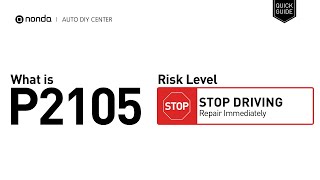
Let me break down P2105 for you in plain, shop-floor English. When you see this code, your car’s computer has basically decided, 'I can’t trust what I’m hearing from the throttle system, so I’m pulling the plug on engine power.' The technical name for this is 'forced idle shutdown mode.' In other words, your car is playing it safe by limiting how much power you can use. Instead of the old cable that used to connect your gas pedal to the throttle, modern vehicles use an electronic throttle control (ETC) system. This setup relies on a handful of sensors-the accelerator pedal position (APP) sensor, throttle position (TP) sensor, and a throttle actuator motor. When you mash the gas, these sensors send signals to the PCM (powertrain control module), which then tells the throttle how wide to open. But here’s the kicker: if the computer gets confused signals-maybe from a flaky sensor or a chewed-up wire-it throws the P2105 code and puts your car into limp mode to keep things from getting dangerous. That’s why you might suddenly feel like you’ve lost all acceleration or, in some cases, the car just won’t start at all.
DTC P2105
 4330
4330 6 minutes of reading
Causes of P2105 trouble code
From my time under the hood, I can tell you the usual suspects when it comes to a P2105 code:
- A MAP (manifold absolute pressure) sensor that’s gone bad
- An accelerator pedal position (APP) sensor that’s failing or reading wrong
- A throttle position (TP) sensor that’s on its way out
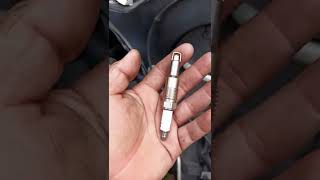
- Issues with the throttle actuator, like a sticking motor or internal failure
- Wiring gremlins-damaged wires, corroded connectors, or pins that aren’t making good contact
- Every once in a while, the problem goes deeper, and the vehicle’s PCM itself is at fault
Most of the time, you’re looking at a bad sensor or a wiring problem. I’ve seen the throttle actuator go bad a handful of times, but start with the basics and save yourself a headache before jumping to expensive parts.
Symptoms of obd2 code P2105
So, what should you watch out for if you’re staring down a P2105? Here’s what I’ve typically seen:
- Check engine light glaring back at you
- ABS warning light sometimes comes on too
- The dreaded 'limp mode' kicks in-suddenly you’ve got almost no power, and the car barely wants to move
- In some cases, the engine won’t even start
Drivers will usually tell me the car just lost power out of nowhere or refused to accelerate past a crawl. It’s a real gut-check, especially if it happens in the middle of traffic.

Diagnosis steps for obd code P2105
When I get a car in the bay with a P2105, here’s how I go about tracking it down:
- First thing’s first-hook up a scan tool and see if there are any companion codes. P2105 likes to tag along with other codes, and those can point your flashlight right where it needs to go.
- Next, I always check the obvious: inspect the wiring and connectors around the throttle body, the APP sensor, and the MAP sensor. Give those connectors a close look for corrosion, bent pins, or anything that doesn’t look factory fresh. A second set of hands helps-have someone wiggle the harness while you watch for any changes in the readings.
- Then, I test the sensors directly. With a multimeter or scan tool, I’ll watch the APP and TP sensors as I move the pedal. If the numbers don’t move, or jump around wildly, you’ve found your culprit.
- If the sensors check out, my next stop is the throttle actuator. I’ll check for power and ground, and see if it reacts when the key’s on. Sometimes you’ll hear or feel it click as it tries to move.
- If all that passes, the PCM is the last thing I suspect. Honestly, PCM failures are rare, but don’t rule it out if every other test comes up clean.
Here’s a pro-tip from the garage: always check your battery voltage. Low voltage can make these electronic systems act up in all sorts of weird ways.

Common mistakes when fixing P2105 code
A classic mistake I see all the time is folks throwing money at a new throttle body or PCM before checking the sensors and wiring. That’s a quick way to drain your wallet with no results. Another slip-up is ignoring other related trouble codes-sometimes the root of the problem is a sensor throwing an additional code, but people miss it by focusing only on P2105. And don’t overlook the connectors-corrosion or a loose pin can wreak havoc and is easy to miss if you’re not looking closely.

How serious is P2105
Don’t take this code lightly. When your car goes into limp mode or flat-out refuses to start, you’re looking at a serious safety risk-especially if you lose power while driving in traffic. That’s not just inconvenient; it can put you and everyone around you in harm’s way. Ignoring this can lead to further damage-like frying the throttle actuator, burning out sensors, or even taking out the PCM. Trust me, things can get ugly fast if you put this on the back burner.
Repair options for P2105 engine code
When it comes to fixing P2105, here’s my go-to checklist from years of turning wrenches:
- Start by repairing or replacing any damaged wiring or questionable connectors
- If a sensor-MAP, APP, or TP-is giving flaky readings, swap it for a new one
- Throttle actuator not responding? Time for a replacement
- Clear the codes and take the car for a good test drive to see if the issue is gone
- If you’ve covered everything else and the code comes back, then-and only then-consider replacing the PCM
Here’s some advice from one tech to another: don’t overlook the simple stuff. Cleaning and inspecting connectors before reaching for new parts can save you time and cash.
Conclusion
Bottom line? P2105 means your car’s brain doesn’t trust what the throttle system is telling it, so it’s playing it safe-sometimes to the point of shutting you down. This is a high-priority issue; wait too long and you might end up stranded or in a dangerous spot. Your best bet is to methodically check the sensors, wiring, and throttle actuator-always starting with the basics. Don’t drag your feet; get this checked out and fixed right away to keep you and your ride safe out on the road.