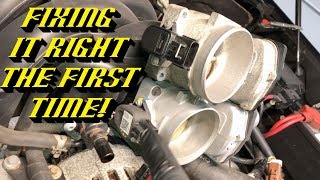
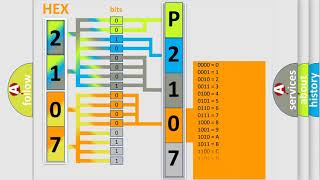
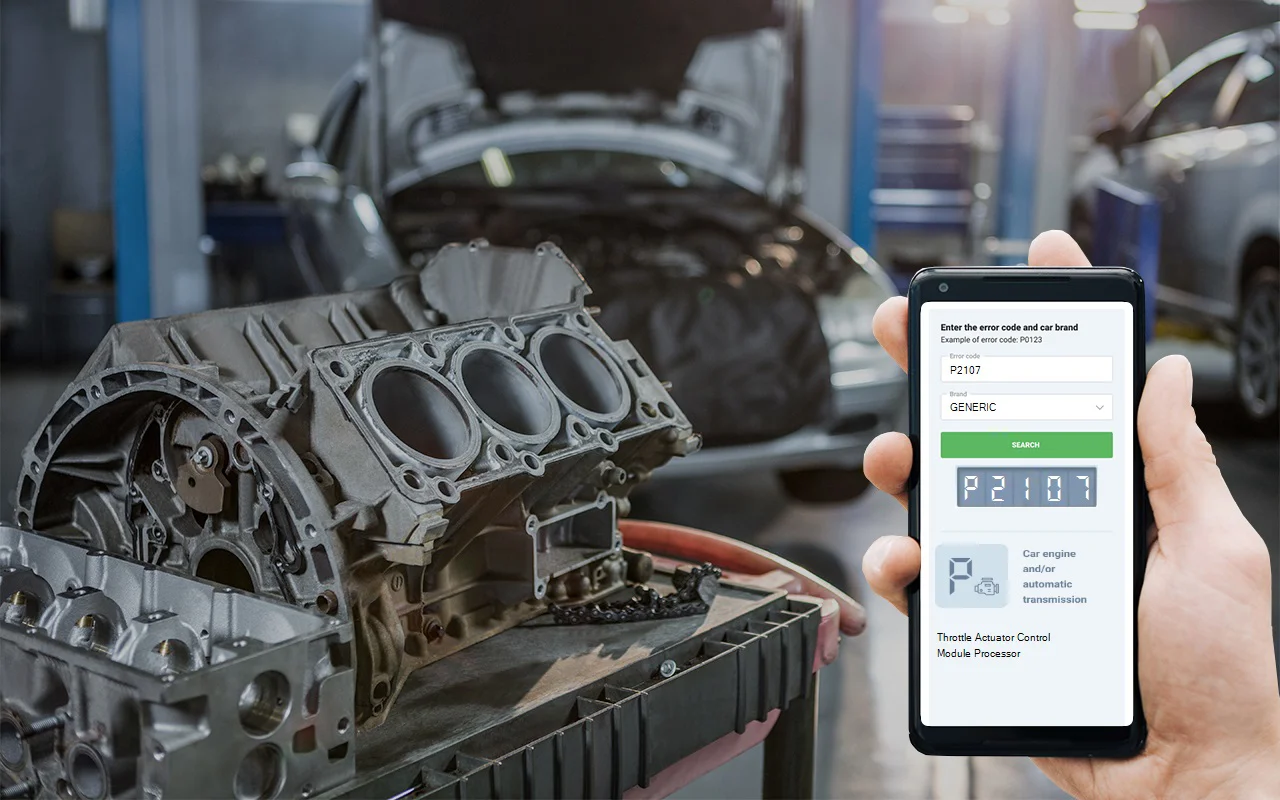
Let me break down what p2107 really means, from someone who's spent more hours than I can count chasing down electrical gremlins. When this code pops up, your car’s computer-the PCM-is basically telling you it spotted a problem with the throttle actuator control (TAC) system. Forget about old-school throttle cables; most modern vehicles rely on a network of sensors, wiring, and a tiny electric motor inside the throttle body to decide how far open the throttle gets when you press the gas. If the PCM detects something odd-maybe a strange signal, a wiring hiccup, or a glitch in the actuator-it'll throw this code. And trust me, this system isn’t just along for the ride. It’s essential for smooth acceleration and safe driving, since it directly determines how your car responds every time you step on the pedal.
DTC P2107
 3797
3797 6 minutes of reading
Main Causes of obd code P2107
From what I’ve seen in the shop and what the official manuals say, the most common reasons for a p2107 code are:
- A short to ground or voltage in the TAC motor wiring harness. This means the wires that tell the throttle actuator what to do are either touching something they shouldn’t or have damaged insulation.
- A damaged electronic throttle body (ETB). Sometimes the motor inside gets stuck, or the internal sensors fail.
- A faulty PCM, though this is less common. The computer itself might be having trouble processing the throttle commands.
Most often, the issue is with the wiring or the throttle body itself, not the computer.
Symptoms Related to obd2 code P2107
When you’re dealing with a p2107, the symptoms usually make themselves known in a hurry. The check engine light is often the first sign, but it rarely stops there. You might notice your engine hesitating, losing power, or suddenly acting like it’s got a mind of its own-this is what we call ‘limp mode,’ where the car refuses to accelerate past a certain point to protect itself. I’ve seen cars barely crawl up a driveway because of this. You might also get weird throttle response-sometimes it’s sluggish, other times it just doesn’t react at all. And don’t be surprised if the engine starts idling rough, or even stalls out at a stoplight. In my experience, when this code is active, you’ll know something’s up long before you even grab a scan tool.

Diagnosis Steps for P2107
Here’s how I usually go about diagnosing a p2107 code, step by step:
- First, I check for any other codes that might be stored. Sometimes, another code can point you right to the problem.
- Next, I do a visual inspection of the throttle body and the wiring harness. I look for frayed wires, loose connectors, or any signs of corrosion. Don’t forget to check under the harness insulation-sometimes damage is hidden.
- Then, I test the TAC motor circuits with a multimeter. I’m looking for shorts to ground or voltage, which are common culprits. If you’re comfortable, you can gently wiggle the harness while checking resistance to see if the readings jump around.
- If the wiring checks out, I move on to the electronic throttle body itself. I check for any binding or sticking in the throttle plate, and listen for odd noises from the actuator motor when the ignition is on.
- Finally, if everything else looks good, I consider the PCM. This is rare, but if the computer isn’t sending or receiving the right signals, it could be at fault.
It’s best to start with the simple stuff-wiring and connectors-before jumping to expensive parts.
Common Mistakes When Addressing dtc P2107
A classic mistake I see all the time? Folks tossing in a new throttle body-or worse, a PCM-without ever laying eyes on the wiring first. That’s a fast track to burning cash and solving nothing. Another thing that trips people up: missing hidden damage in the harness. Just because the insulation looks okay, doesn’t mean the wire inside isn’t broken or corroded. Skipping the step of checking for related codes is another pitfall. My advice? Always start with a thorough inspection and some basic testing before you even think about swapping parts. It’ll save you a world of frustration.

How Serious Is a P2107 engine code
Let me be blunt: this is not the kind of problem you want to ignore. The throttle actuator is in charge of your car’s acceleration, and if it’s acting up, you could lose power or end up in limp mode at the worst possible time-like merging onto the highway. I’ve seen situations where people kept driving and wound up stranded, or worse. If the throttle sticks or doesn’t respond, you’re looking at a serious safety risk. Continuing to drive with this code active can fry the actuator motor or even damage the PCM if there’s a short lurking in the wiring. Bottom line? Don’t wait. Get it checked out before a minor headache turns into a major disaster.
Repair Solutions for a P2107 code
Here’s what usually gets a p2107 sorted, based on my hands-on experience and what the manuals back up:
- First and foremost, repair or replace any damaged wiring or connectors in the TAC motor circuit. Nine times out of ten, that’s where the trouble starts.
- If the wiring checks out squeaky clean, then move on to the electronic throttle body. If it’s sticking or the sensors are shot, replacement is your best bet.
- Only after ruling out the other possibilities do I even consider swapping the PCM. That’s a rare one, but not impossible if all else fails.
- When the fix is done, don’t forget to clear the code and run a throttle relearn if your vehicle calls for it. Skipping this can cause new headaches.
Pro-tip from the garage: Always start with a close look at the wiring. It’s usually the cheapest and fastest fix.
Conclusion
So, to wrap it up: p2107 means your car’s electronic throttle control isn’t doing its job, which is a big deal for both reliability and your safety. The usual suspects are wiring issues or a bad throttle body, so check those before you start throwing parts at it. Don’t let this one slide-get it diagnosed and dealt with as soon as you can to avoid bigger headaches down the road. The smartest approach? Work methodically: wiring and connectors first, throttle body second, and only consider the PCM if you’ve ruled everything else out. That’s how you keep repairs affordable and your car running right.