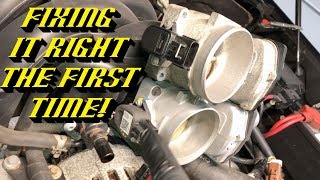
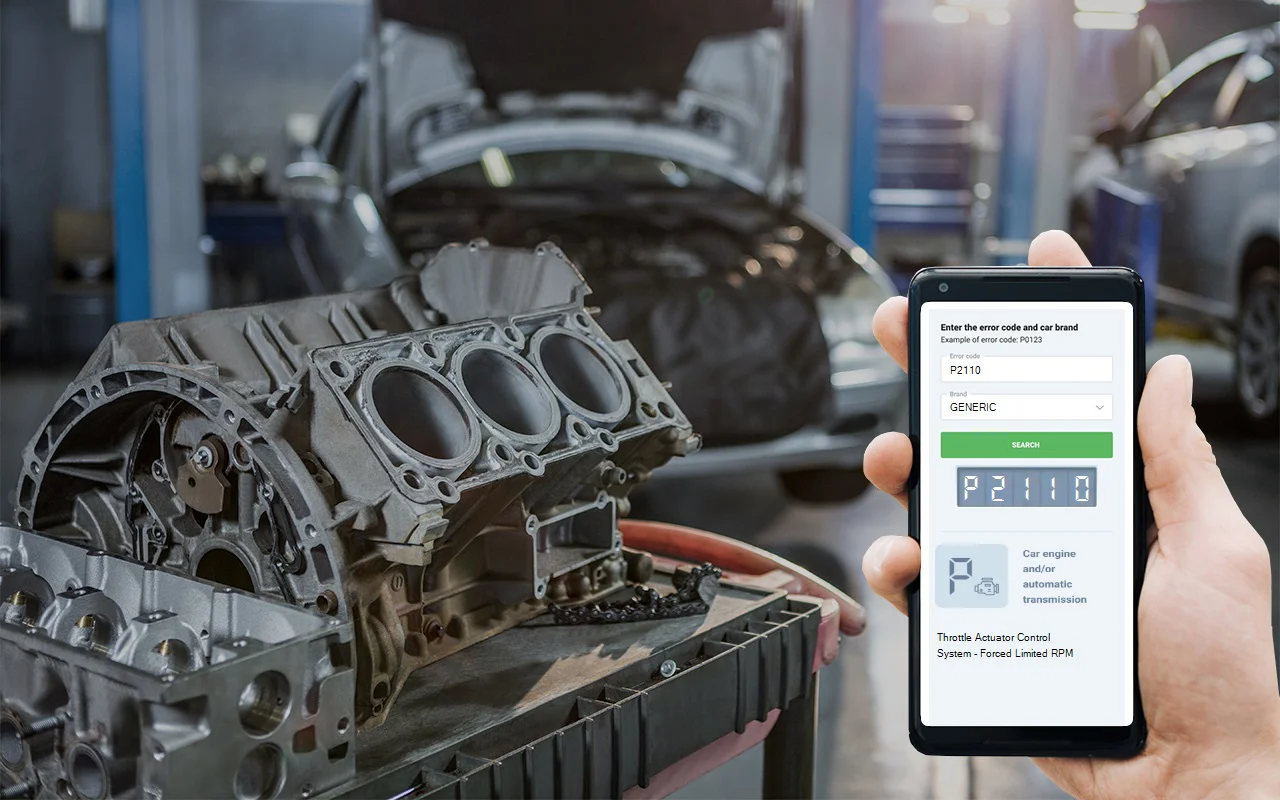
When you get a P2110 code, what you’re really seeing is your vehicle’s PCM stepping in because it’s picked up a problem with the electronic throttle control. I’ve run into this plenty of times, and it basically means the computer’s keeping your engine at a limited RPM to protect you and the car. Instead of a good old-fashioned cable, modern setups use an Electronic Throttle Control System (ECTS). Here, sensors on both the pedal and throttle body talk to each other and the PCM decides how much the throttle opens. If those signals start arguing-maybe the numbers don’t line up or fall out of range-the PCM triggers P2110. That’s when you get thrown into ‘limp mode,’ which is a fancy way of saying the car won’t let you go faster until you sort out the problem. It’s all about keeping things safe if the throttle gets confused or stops listening.
DTC P2110
 3563
3563 6 minutes of reading
Causes and obd2 code P2110
I can tell you firsthand, most of the time when I see a p2110 code, it boils down to a handful of usual suspects:
- A worn-out or faulty accelerator pedal position (APP) assembly-this is the sensor that translates your foot’s pressure into signals for the computer.
- A throttle control motor that’s given up the ghost-this is the part that physically moves the throttle plate when you step on it.
- Electrical gremlins-damaged wires, corroded pins, or loose connectors between the sensors, throttle body, and PCM. I’ve seen plenty of these cause headaches.
- PCM (engine computer) failure. Not common, but I have seen it once or twice.
If you ask me, it’s almost always the sensors or wiring at fault, not the computer itself. I’ve diagnosed this issue on all sorts of makes-Ford, Hyundai, Chrysler, you name it.
Symptoms and obd code P2110
Whenever chrysler dtc p2110 shows up, you’re likely to spot a few telltale signs right off the bat:
- The check engine light’s on-sometimes the ABS light tags along for the ride.
- The engine feels weak, maybe barely responding to the gas pedal, or won’t rev past a certain point. In some cars, it feels like you’re driving through mud.
- Sometimes, it won’t start, or it’ll go into ‘limp home’ mode and seriously limit your speed and power.
- If it’s an automatic, shifting can get weird-late, harsh, or not at all.
- You might notice other warning lights or codes pop up as well.
Bottom line? The car is doing its best to protect itself and you until things are sorted out.

Diagnosis and P2110 engine code
Let me walk you through how I’d tackle a hyundai dtc p2110 diagnosis, step by step:
- I always start by checking for any other stored codes. Nine times out of ten, P2110 comes bundled with other related codes that help point you in the right direction.
- Next, I do a good visual sweep under the hood. I’m hunting for obvious issues-broken wires, loose or corroded connectors around the throttle body and pedal. Don’t skip the wiring harnesses-a single frayed wire can be all it takes.
- After that, I’ll hook up the scan tool and watch live data from both the accelerator pedal and throttle position sensors. If numbers don’t match, jump all over, or get stuck, you’ve got a clue.
- When I see something odd, I break out the multimeter and test sensor outputs against the specs in the service manual. Having a helper work the pedal while you watch readings makes life a lot easier.
- If sensors and wiring check out, I take a close look at the throttle body. Sometimes, a sticky plate from carbon buildup or a bad motor is the culprit. I’ll clean the throttle body if I’m confident it’s safe-these components are delicate, so don’t force anything.
- If we’re still striking out, only then do I start suspecting the PCM. But I’ll be honest with you, that’s pretty rare in the real world.
Start simple-wiring and connectors-before you even think about spending money on parts.
Common Mistakes and P2110 trouble code
I’ve watched plenty of folks get tripped up by dtc p2110 ford. Here’s where things usually go sideways:
- Diving straight into replacing the throttle body or accelerator pedal assembly before checking the wiring. That’s the fast lane to wasting cash.
- Missing the easy stuff-like a loose connector or a simple blown fuse. Don’t overlook the basics, or you’ll kick yourself later.
- Ignoring other codes that are leading to P2110. Often, this code is just a symptom, not the underlying problem.
- Manually forcing the throttle plate on an electronic throttle body. I can’t stress this enough-doing that can wreck the motor or sensors if you’re not careful.
Slow down, check the simple things first, and save yourself a lot of headache (and money).

Seriousness and dtc P2110
Don’t kid yourself-dtc p2110 is nothing to brush off. When this code is active, your car’s in fail-safe mode for a reason. You risk losing throttle response or power at the worst time, which can be downright dangerous, especially in traffic or merging onto the highway. Keep driving like this, and you’re playing with fire-potentially damaging the throttle actuator, sensors, or even the PCM itself. Trust me, things can go from annoying to disastrous real quick if you let this slide.
Repair and P2110 code
Here’s my playbook for fixing dtc p2110, once I’ve figured out what’s wrong:
- Repair or swap out any damaged wiring or connectors between the throttle body, pedal, and PCM.
- If the accelerator pedal position sensor or assembly is bad, replace it-don’t try to patch it up.
- If the throttle body or actuator motor’s not behaving, it’s time for a replacement.
- And if all else fails (which is rare), reprogram or replace the PCM-but only after everything else is ruled out.
Stick to the repair procedures for your specific car. Double-check your work before clearing the code and taking it out for a test drive.
Conclusion
Bottom line-P2110 means your car’s computer caught an electronic throttle problem and is putting the brakes on engine power to keep you safe. Don’t ignore this one; you can get stranded or even end up in a dangerous situation. The smart way to fix it? Start with a thorough check of wiring and sensors, then move on to the throttle body, saving the PCM for last. Don’t gamble with your safety-get this sorted out as soon as you can so you can drive with peace of mind.