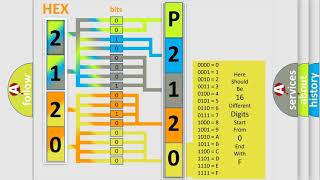
When you see a P2120 code pop up, your car’s computer is basically waving a red flag about the throttle position sensor circuit-specifically the “C” circuit. Over the years, I’ve found that this little guy, the throttle position sensor (TPS), plays a bigger role than most folks realize. It sits right on the throttle body and constantly tells the computer exactly how far you’re pressing down on the gas. Every time you hit the accelerator, the TPS sends a changing voltage signal that matches your foot’s movement. If that signal suddenly jumps out of the normal range, the computer immediately sets this code. The TPS is at the heart of your electronic throttle control, and if it’s not working right, your engine won’t run smoothly-or safely. So, when P2120 shows up, it’s your car’s way of saying, “Hey, I have no clue where the throttle’s at!”
DTC P2120
 5261
5261 6 minutes of reading
Causes of obd code P2120
From what I’ve seen in the shop and based on the official repair info, the most common reasons for a P2120 code are:
- A throttle return spring that’s sticking or not snapping back like it should. This can mess with how the throttle closes and confuse the sensor.
- Loose, corroded, or damaged connectors at the TPS or MAP sensor. Sometimes a simple wiggle test will reveal a bad connection.
- Wiring harnesses that are misrouted or pinched, especially if any recent work was done near the throttle body. It’s easy for a wire to get caught or rubbed through.
- A faulty throttle position sensor itself. Sensors do wear out or fail over time.
- In rare cases, a problem with the vehicle’s computer (PCM) can be the culprit, but that’s not where I’d start.
Most often, it’s something simple like a connector or a sticky spring, but it pays to check everything methodically.
Symptoms of P2120 trouble code
If you’ve got a P2120 code hanging over your head, odds are you’ll notice more than just a check engine light. In my time behind the wrench, I’ve had cars roll in with rough idling, stalling at stoplights, or flat-out refusing to accelerate smoothly. Sometimes you’ll even feel a misfire, especially when you’re idling or trying to cruise down the highway. What really stands out is how unpredictable it can make your car feel-one minute it’s running fine, and the next it’s sputtering or hesitating. Basically, your engine isn’t getting the right story from the throttle, and that makes things dicey, both for your nerves and your safety.

Diagnosis steps for P2120
Here’s how I usually tackle a P2120 code, step by step:
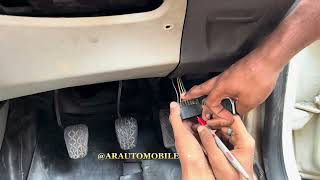
- Start with a visual inspection. Pop the hood and look at the throttle body and the wiring going to the TPS. Make sure nothing is obviously loose, broken, or corroded. Don’t forget to check for any signs of rodent damage or wires rubbing against metal parts.
- Next, gently move the connectors at the TPS and MAP sensors while the engine is running. If the idle changes or the engine stumbles, you’ve likely found a bad connection.
- Check the throttle return spring. Make sure it’s not sticking or binding. The throttle should snap closed smoothly when you let go of the pedal. If it feels sticky or slow, that’s a red flag.
- If everything looks good so far, I’ll use a scan tool to monitor the TPS voltage as I slowly press and release the gas pedal. The voltage should change smoothly without jumping or dropping out. If it’s erratic, the sensor or wiring could be at fault.
- For a more thorough check, I’ll use a multimeter to test the reference voltage, ground, and signal wires at the TPS connector. Compare the readings to the specs in the repair manual. If any wire is out of range, trace it back for damage or corrosion.
- If all wiring and connectors check out, and the spring is fine, then I’ll suspect the TPS itself and consider replacing it. Only after all these steps would I look at the PCM, since that’s rarely the cause.
It’s best to have someone assist you if you’re not comfortable with electrical checks. And always double-check your repair manual for your specific vehicle before unplugging anything.

Common mistakes when fixing P2120 code
One thing I see a lot is folks jumping straight to replacing the throttle position sensor without checking the connectors or wiring first. That’s a surefire way to waste money and time. Another common mistake is overlooking the throttle return spring-if it’s sticking, it can mimic a sensor problem. Sometimes, people also forget to check for bent pins or corrosion inside the connectors. Skipping these basic checks can lead to chasing your tail and missing the real issue.

Seriousness of dtc P2120
Let me be straight with you: Ignoring a P2120 code is asking for trouble. You’re risking the engine misfiring, stalling out when you least expect it, or even losing power right when you need it most-like merging onto the freeway or pulling out into traffic. I’ve seen more than a few folks push their luck, only to end up stranded or facing bigger repair bills. Don’t forget, running with this code can also foul your spark plugs, clog your catalytic converter, or-on rare occasions-damage the PCM. Things can go downhill in a hurry, so don’t shelve this for another day.
Repair options for obd2 code P2120
Here’s what I usually recommend for fixing a P2120 code, based on what the diagnostics reveal:
- If you find a sticking throttle return spring, clean or replace it so the throttle moves freely.
- Repair or replace any damaged, corroded, or loose connectors at the TPS or MAP sensors. Make sure the pins are straight and clean.
- Reroute or repair any wiring harnesses that are pinched, rubbed through, or misrouted. Secure them away from moving parts.
- If the throttle position sensor itself is faulty, replace it with a quality OEM part and clear the code.
- In rare cases, if the PCM is at fault, it may need to be reprogrammed or replaced-but only after all other options are ruled out.
After repairs, always clear the code and test drive the vehicle to make sure the problem is truly fixed.
Conclusion
If there’s one thing I’ve learned, it’s that a P2120 code means your car’s computer isn’t getting the right signal from the throttle position sensor circuit. That’s not just some minor annoyance-it can throw off your whole driving experience and put your safety on the line. The smart play is to start simple: check your connectors, wiring, and that throttle spring. Only move on to the sensor or computer if the basics check out. Don’t brush this code aside-getting it fixed quickly is the key to keeping your ride smooth and dependable.