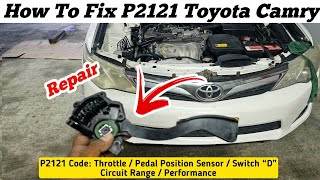
Let me break down p2121 for you from a technician’s perspective. What this code is really telling you is that your car’s computer isn’t getting the proper signal from the accelerator pedal position sensor, specifically from what’s called the “D” circuit. That sensor is the brain behind your electronic throttle system. Every time you press down on the gas, that sensor relays how far you’ve pushed to the engine control module, which then figures out how much power to deliver. Now, if the computer sees that the signal isn’t lining up-maybe the voltage is off, or it doesn’t change when you move the pedal-it’ll throw this code and might even dial back engine performance to keep you (and the car) out of trouble. I’ve seen this safeguard kick in more than once, and it’s all about preventing unsafe driving or avoiding further damage to your throttle system.
DTC P2121
 3830
3830 5 minutes of reading
Causes of dtc P2121
From my time under the hood, I can tell you p2121 usually traces back to a handful of troublemakers. Most often, it’s the accelerator pedal position (APP) sensor itself-these things can wear out or just flat-out fail. But don’t overlook wiring issues; I’ve seen plenty of cars with broken, corroded, or loose wires between the pedal and the engine computer causing all sorts of headaches. Every so often, it’s the throttle control motor giving up, or, on rare occasions, the powertrain control module (PCM) that’s at fault. Here’s what I typically find in the bay:
- Faulty accelerator pedal position (APP) sensor assembly
- Wiring problems (broken, shorted, or corroded wires/connectors)
- Faulty throttle control motor
- Bad PCM (engine computer)
If you’re chasing this code, start with the pedal assembly and wiring-that’s where most of the trouble hides. Only look at the PCM or throttle motor if those check out clean. And don’t be surprised-this isn’t just a Toyota problem. I’ve fixed it on Fords and Renaults, too.
Symptoms of P2121
When p2121 rears its head, the check engine light is usually your first clue. But that’s just the start. You might feel your engine hesitate, stumble, or even stall out. In a lot of cases, your car will drop into ‘failsafe’ or ‘limp’ mode-suddenly, you can’t accelerate like normal, and it feels like someone put a brick under your pedal. That’s the car’s way of protecting itself and you. If you notice a sudden loss of power, don’t shrug it off. Take it seriously, because things can get worse in a hurry if you ignore these signs.

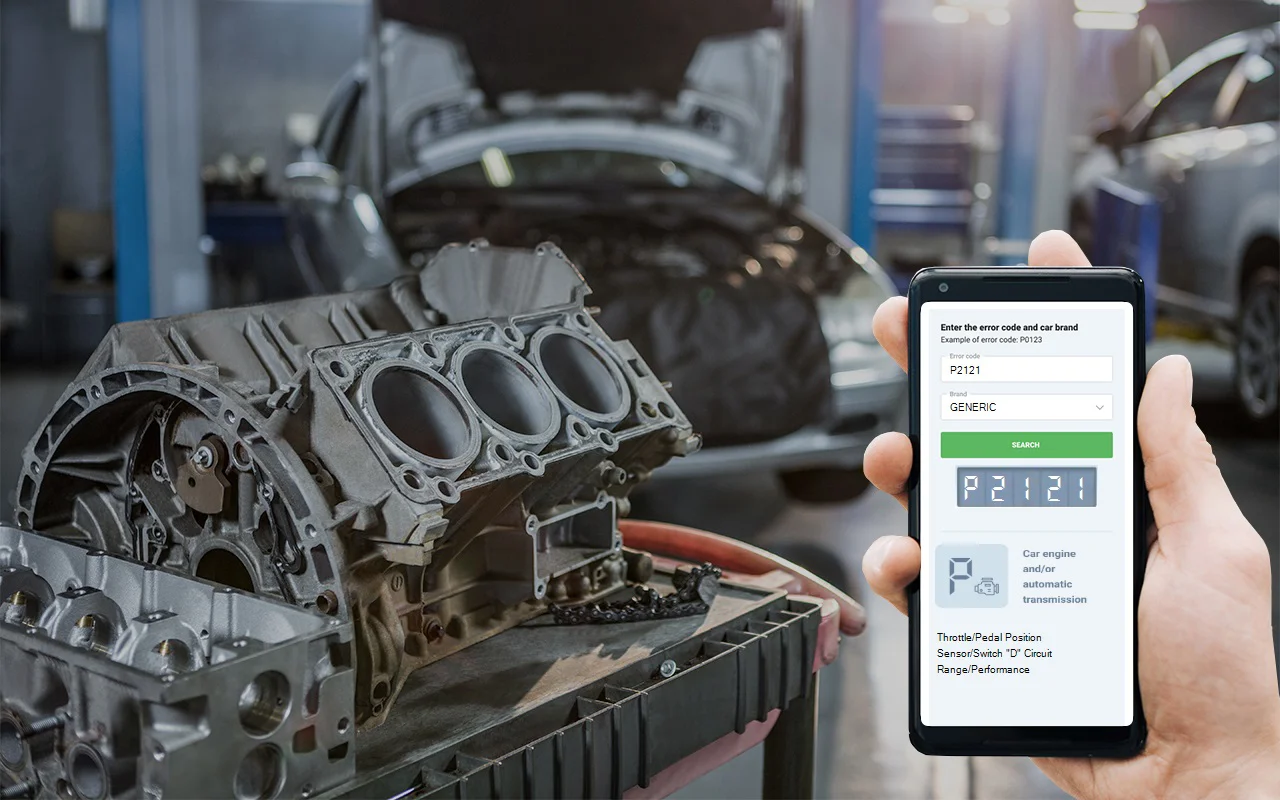
Diagnosis with obd code P2121
Let me walk you through how I approach a dtc p2121 toyota problem. First thing: always check for any other trouble codes, since they might give you more clues. Next, do a visual check around the pedal-look for spilled drinks, debris, or anything that might have messed with the wiring. I always inspect the harness and connectors for corrosion, loose pins, or broken wires. Here’s a pro-tip: have someone press the pedal while you watch the connector for movement or weird behavior.
When everything looks normal, I grab my scan tool and check live data from the APP sensors. I slowly press and release the pedal, watching for smooth, predictable voltage changes. If I spot voltage jumps, dead spots, or no response, that usually means the sensor is toast. If the sensor seems healthy, then I’ll test the throttle control motor, and as a last resort, the PCM. Always check for Technical Service Bulletins (TSBs) for your specific car-manufacturers sometimes have known fixes or updated steps that can save you a lot of time.
Common Mistakes with P2121 code
A classic mistake I see is folks rushing to replace the pedal sensor before checking the wiring. It’s easy to miss a corroded connector or a loose pin at the pedal or PCM. Another blunder? Just clearing the code and hoping it won’t return-trust me, it almost always does. Always dig for related codes and give everything a thorough once-over before swapping out parts. Skipping these steps can leave you chasing your tail and wasting money.

Seriousness of obd2 code P2121
This code is nothing to mess around with. Once your car goes into failsafe mode, you lose acceleration and power-imagine that happening when you’re trying to merge onto the highway or get out of a tight spot. Ignoring p2121 can also fry your throttle motor or mess up the PCM, turning a quick fix into a major repair. My advice? Don’t let this one slide. Tackle it right away to keep yourself safe and your car out of the shop for bigger problems.
Repair steps for P2121 engine code
Most times, fixing p2121 means replacing the accelerator pedal position sensor assembly. If you find damaged wiring, you’ve got to repair or replace it-no shortcuts here. Sometimes, all it takes is cleaning corrosion off a connector, and you’re back in business. If the throttle control motor is the bad actor, swap it out. And if you get unlucky with the PCM, you may need to reprogram or replace it. Always follow the manufacturer’s repair steps, and double-check your work before clearing codes and sending a customer home. If you’re looking to repair dtc toyota p2121 for good, you can’t ignore either the sensor or the wiring-both need to be right for a lasting fix.
Conclusion
Bottom line? P2121 means your computer isn’t happy with the signal from the accelerator pedal sensor, and that can seriously cut your engine’s power, putting you in a risky spot. This is a fix-now issue, not a fix-later one. Start with the basics-check the pedal assembly and wiring-before jumping to more complicated parts. Nine times out of ten, replacing the pedal sensor or repairing wiring solves the problem, but always confirm the cause before throwing parts at it. Take care of this quickly, and you’ll keep yourself safe and your car running strong.