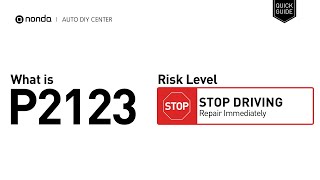
Let me break down what code P2123 means for you. This code pops up when your vehicle’s computer (the PCM) notices that the voltage signal from the throttle or pedal position sensor-specifically circuit 'D'-is way higher than it should be. These sensors are crucial because they tell the computer exactly how much you’re pressing the gas pedal and how open the throttle is, which controls how much air goes into the engine. If the PCM gets a reading that’s out of range, it can’t trust what the sensors are saying, so it triggers this code to let you know something’s off. Most modern vehicles use both a throttle position sensor (TPS) and an accelerator pedal position (APP) sensor, and they often have backup sensors as a safety net. If any of these send a weird signal, you’ll see P2123. This is all part of the electronic throttle control system, which is what lets your car respond smoothly and safely to your foot on the pedal.
DTC P2123
 5261
5261 6 minutes of reading
Causes of obd2 code P2123
From what I’ve seen in the shop and what the official manuals say, there are a handful of usual suspects behind a P2123 code:
- Faulty accelerator pedal position assembly (the APP sensor itself can go bad, especially if it’s seen a lot of use or moisture)
- Bad throttle position sensor (TPS)
- Throttle control motor failure (sometimes the motor that moves the throttle plate gets stuck or fails)
- Wiring issues-like damaged, corroded, or loose connectors and wires between the sensors and the PCM
- PCM failure (rare, but it does happen-usually after everything else has been ruled out)
Most often the issue is with the sensors or wiring, not the PCM itself. I recommend starting with the simple stuff before jumping to conclusions.
Symptoms of obd code P2123
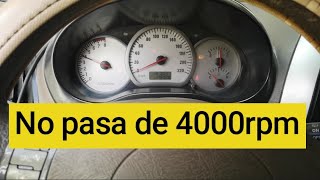
When this code is active, you’ll probably notice a few things right away. The check engine light will come on, and you might feel the car running rough or not responding well when you press the gas. In a lot of cases, the vehicle will go into what’s called ‘limp mode’-that’s when the computer limits power to protect the engine and transmission. You might find the car barely accelerates, or the cruise control stops working. Basically, it’s the car’s way of saying, ‘Something’s wrong, let’s play it safe.’

Diagnosis steps for dtc P2123
Here’s how I usually tackle a P2123 code, step by step:
- First, I grab a scan tool and check for any other related codes. Sometimes there’s more than one, and that can help point you in the right direction.
- Next, I clear the code and see if it comes back right away. If it does, that’s a good sign the problem is still active.
- Then, I do a visual inspection of the wiring and connectors at the throttle body and accelerator pedal. Look for anything obvious-broken wires, loose plugs, corrosion, or water intrusion. Don’t forget to check under the carpet near the pedal, where moisture can sneak in.
- After that, I use a multimeter to check the voltage at the APP and TPS circuits. You’re looking for anything out of the normal range (usually above 5 volts is a red flag for ‘circuit high’ codes like this).
- If the wiring checks out, I move on to testing the sensors themselves. Sometimes you can see a bad sensor by watching the live data on a scan tool-if the readings jump around or are stuck high, that’s a clue.
- If everything else looks good, I’ll check the throttle control motor, making sure it’s not stuck or shorted.
- PCM failure is rare, but if you’ve ruled out everything else, it might be time to consider it. At that point, I’d recommend professional help, since reprogramming or replacing a PCM isn’t a DIY job.
It’s better to have someone assist you, especially when checking pedal movement and watching scan tool data at the same time.

Common Mistakes with P2123
I’ve seen a lot of folks jump straight to replacing the throttle body or pedal assembly without checking the wiring first. That’s a surefire way to waste money. Another common mistake is ignoring connector corrosion or not checking for water damage under the carpet. Don’t forget to inspect the basics before replacing expensive parts. Skipping the scan tool data and just swapping parts rarely solves the problem.

Seriousness of P2123 code
This isn’t something you want to ignore. When your car goes into limp mode, it’s doing that to protect itself-and you. If you keep driving with this code active, you risk losing power at the worst possible moment, like merging onto a highway or crossing an intersection. Honestly, it’s dangerous to ignore this. Plus, if the problem is electrical, it can sometimes cause further damage to the PCM or throttle control components. Things can go south quickly if overlooked, so don’t put this off for later.
Repair options for P2123 engine code
Here’s what usually fixes a P2123, based on what I see and what the manuals say:
- Repair or replace any damaged wiring or connectors between the APP sensor, TPS, and PCM
- Replace the accelerator pedal position sensor assembly if it’s faulty
- Replace the throttle position sensor if it’s not reading correctly
- Replace the throttle control motor if it’s failed
- In rare cases, reprogram or replace the PCM (only after everything else has been ruled out)
Always make sure to clear the code and test drive the vehicle after repairs to confirm the fix. It’s best to start with something simple, like cleaning and checking connections, before moving on to part replacements.
Conclusion
To sum it up, P2123 means your car’s computer is getting a high voltage reading from the throttle or pedal position sensor circuit, which can cause limp mode and poor performance. This is a high-priority issue-don’t wait to get it checked out. Most of the time, the problem is with a sensor or the wiring, and that’s where I’d start. If you follow a step-by-step diagnostic process, you’ll usually find the culprit without too much trouble. The safest and most reliable fix is to address the root cause promptly, so you’re not left stranded or risking further damage down the road.