
Causes for P2125
From experience, the most common reasons I see for a p2125 are usually electrical or sensor-related. Here’s what tends to go wrong most often:
- Corrosion in the connectors for the MAP (manifold absolute pressure) or APPS (accelerator pedal position sensor) harness-this is a big one, especially in areas with lots of moisture or road salt.
- Issues with the wiring harness itself-think frayed wires, loose connections, or even rodent damage.
- A malfunctioning APPS, or sometimes the ECM/PCM itself, though that’s less common.
- Every now and then, a sticky throttle pedal return spring can cause trouble, but that’s pretty rare in my experience.
I recommend starting with the simple stuff-connectors and wiring-before jumping to sensor or computer replacement.
Symptoms Linked to P2125 Engine Code
When you’re dealing with this problem, certain warning signs almost always show up right away. The check engine light is a given. Beyond that, you might notice the engine running rough at idle, or it might even stall out when you come to a stop. Hesitation or sluggishness when you press the accelerator is another dead giveaway. These aren’t just annoyances-if the engine cuts out at the wrong time, it can be downright dangerous. So, pay attention if your car starts acting up in these ways.

Diagnosis Steps for P2125 Trouble Code
Here’s how I usually tackle a p2125 trouble code, step by step:
- First, I always start by checking for any other codes that might be stored. Sometimes, another code can point you in the right direction.
- Next, I take a good look at the connectors for the MAP and APPS sensors. I’m looking for any signs of corrosion, moisture, or loose pins. It’s best to have someone gently wiggle the harness while you watch for changes-sometimes a bad connection only acts up when moved.
- Then, I inspect the wiring harness itself. Look for broken, frayed, or pinched wires-especially near the connectors and anywhere the harness bends or rubs against other parts.
- If everything looks clean, I’ll use a multimeter to check the voltage at the APPS ‘E’ circuit. You want to see if the voltage matches what the service manual says it should be when you press and release the pedal.
- Don’t forget to check the throttle pedal return spring. Make sure it isn’t sticking or binding, as that can mess with the sensor readings.
- If all the wiring and connectors check out, and the return spring is fine, then I’ll move on to testing or swapping the APPS itself. In rare cases, the PCM or ECM could be at fault, but that’s usually a last resort after everything else has been ruled out.
It’s better to have someone assist you, especially when checking pedal movement and voltages.
Common Mistakes When Addressing P2125 Code
I’ve seen folks jump straight to replacing the accelerator pedal sensor or even the PCM without checking the basics first. That’s a surefire way to waste money and time. Another common mistake is overlooking corrosion in the connectors-just because it looks clean on the outside doesn’t mean there isn’t trouble inside. Skipping a thorough wiring inspection is another big one. Always check the simple stuff before moving on to the expensive parts.

Seriousness of OBD Code P2125
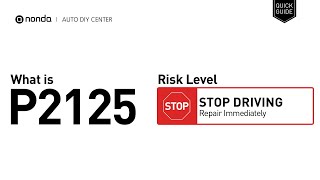
Honestly, this isn’t something you want to put off. If your car is stalling or hesitating, that’s a serious hazard-especially in traffic or at intersections. Ignoring this code can leave you stranded or even cause an accident if the engine cuts out while you’re driving. On top of that, running the engine with bad sensor data can lead to poor fuel economy, rough running, and in some cases, damage to the catalytic converter or other engine components. Things can go south quickly if overlooked.
Repair Solutions for OBD2 Code P2125
Most of the time, the fix is straightforward once you find the root cause. Here’s what usually works:
- Cleaning or replacing corroded connectors on the MAP or APPS harness.
- Repairing or replacing damaged wiring in the harness.
- Replacing the accelerator pedal position sensor if it’s faulty.
- In rare cases, replacing the PCM or ECM if it’s confirmed to be the problem.
- If the throttle pedal return spring is sticking, lubricating or replacing it can solve the issue.
Always clear the code and test drive the vehicle after repairs to make sure everything’s working as it should.


Conclusion
If I could boil it all down, P2125 means your car’s computer isn’t getting the right signal from the throttle or pedal position sensor, and that spells trouble-rough idle, stalling, even safety risks. Don’t wait to get on top of this one. Your best bet is to start with the easiest checks: connectors and wiring. Move on to the sensor if those are clean. Ignoring this code can lead to much bigger headaches later. From my years in the shop, the most dependable approach is a methodical check of the circuit, fix what’s needed, and double-check your work with a good test drive. That’s how you keep yourself-and your ride-out of trouble.
 4671
4671 5 minutes of reading