Causes of the P2128 engine code
From experience and what’s in the official manuals, the most common reasons I see for a p2128 code are:
- A failed accelerator pedal position sensor-this is the part under your gas pedal that tells the computer how much you’re pressing down.
- A faulty throttle control motor-this is what actually moves the throttle plate when you step on the gas.
- Problems with the throttle position sensor itself-this sensor tells the computer how far open the throttle is.
- Electrical issues, like damaged wires or poor connections in the sensor circuits-sometimes it’s as simple as a loose plug or a corroded connector.
- In rare cases, a bad PCM (the car’s main computer) can be the culprit, but that’s not usually the first thing I suspect.
Most often, it’s a sensor or wiring issue rather than the computer itself.
Symptoms of the P2128 code
When this code pops up, here’s what you’ll likely notice:
- The check engine light or another warning light will come on-sometimes you’ll see a message about reduced power.
- You might feel the car lose power or become sluggish-this is because the engine may go into what’s called ‘limp mode’ to protect itself.
- Acceleration can be limited, and the car might not respond the way you expect when you press the gas pedal.
If you’re experiencing any of these, it’s a sign that the car’s not happy with what it’s seeing from those sensors.

Common mistakes when fixing P2128
I’ve seen folks jump straight to replacing expensive parts like the throttle body or PCM without checking the wiring or connectors first. That’s a surefire way to waste money. Another common mistake is not checking for technical service bulletins-sometimes there’s a known issue with a simple fix. Skipping the live data check is another big one; you really need to see what the sensors are telling the computer before making any decisions.
Repair options for obd2 code P2128
The most reliable fixes I’ve seen and performed for p2128 are:
- Replacing the accelerator pedal position sensor if it’s faulty.
- Repairing or replacing damaged wiring or connectors in the sensor circuits.
- Replacing the throttle position sensor or throttle control motor if they’re not working right.
- In rare cases, replacing the PCM-but only after everything else checks out.
Always use the correct parts and follow the service manual procedures for your specific vehicle.
Conclusion
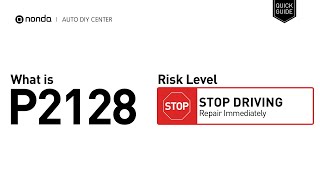
To sum it up, P2128 means your car’s computer is seeing a signal from the throttle or pedal sensor that’s too high, which can seriously affect how your car drives. It’s a moderate-to-high risk issue because it can limit your engine’s power and put you in a tough spot on the road. The best approach is to start with a careful inspection of the sensors and wiring, check live data, and only move to bigger repairs if needed. Don’t ignore this one-getting it fixed the right way is the safest bet for you and your vehicle.
Video for "Error p2128" on YouTube
The following error codes are often searched for

 5398
5398 5 minutes of reading