
Main Causes of dtc P2131
From what I see most often in the shop, there are a few main reasons why p2131 pops up:
- The accelerator pedal position (APP) sensor assembly can get sticky or bind up, which throws off the readings.
- The APP sensor itself might be damaged-sometimes from wear, sometimes from moisture or corrosion.
- In rare cases, the PCM (the car’s computer) could be at fault, but that’s not usually the first thing I check.
In my experience, the majority of these cases trace back to the pedal sensor assembly itself, either from physical damage or internal faults.
P2131 trouble code Symptoms
If you’ve got a p2131 code, you’ll probably notice some pretty clear signs. Most drivers tell me their car hesitates when they press the gas, or sometimes it won’t accelerate at all. You might see the check engine light come on. In some cases, the car can go into ‘limp’ mode, where it limits your speed to protect the engine. Throttle response can feel jumpy or totally unresponsive. If you notice any of these, it’s a good idea to get it checked out right away.

How to Diagnose P2131 engine code
Here’s how I usually go about diagnosing this one:
- First, I start with a visual inspection of the accelerator pedal and its wiring. I look for anything obvious-broken wires, loose connectors, or signs of water damage.
- Next, I check the pedal movement. It should move smoothly with no sticking or binding. If it feels rough or catches, that’s a big clue.
- Then, I use a scan tool to monitor the readings from all the APP sensors while slowly pressing and releasing the pedal. I’m looking for any sensor that jumps around, drops out, or doesn’t match the others.
- If I see a problem with sensor 3, I’ll test the wiring for continuity and check for corrosion at the connectors. Sometimes just cleaning the contacts can fix it.
- If everything checks out but the code keeps coming back, I’ll test the sensor itself with a multimeter, following the OEM specs for resistance and voltage.
- Only after ruling out the sensor and wiring do I consider the PCM as a possible cause. That’s pretty rare, but it does happen.
It’s best to have someone help you press the pedal while you watch the readings, so you don’t miss anything.
Common Mistakes When Dealing With P2131
Here’s a classic mistake I see all too often: someone will jump straight to replacing the entire throttle body or even the PCM, skipping right over the much simpler pedal sensor and its wiring. That’s a quick way to burn through your budget and rack up hours of frustration. Another slip-up? Ignoring the possibility that the pedal assembly is binding. Sometimes it’s just a bit of grit, or a bracket that’s gotten tweaked-stuff you can catch with a flashlight and a careful eye. And don’t overlook those connectors; loose pins or a little corrosion can absolutely cause this code. Always start with the basics before you go swapping out the big-ticket parts.

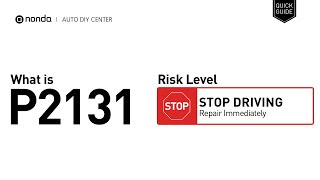
How Serious is the P2131 code
If you’re wondering whether this code is something you can put off, let me be clear-you shouldn’t. When your car can’t get a good read on the accelerator pedal, you’re rolling the dice with throttle control. In a pinch, like merging onto the highway or dodging trouble, that’s the last thing you want failing. Not to mention, letting this go can snowball into more expensive headaches-think PCM failures or a fried throttle body. Trust me, this is one you want to tackle ASAP for your safety and your wallet.
Repair Steps for obd code P2131
Here’s what usually fixes it:
- If the pedal assembly is binding, I clean or replace it as needed.
- If the APP sensor is damaged, I replace just the sensor or the whole pedal assembly, depending on the design.
- Repair or replace any damaged wiring or connectors I find during inspection.
- In rare cases, if everything else checks out, the PCM may need to be replaced and reprogrammed.
After repairs, I always clear the code and test drive the car to make sure the fix worked and the code doesn’t come back.


Conclusion
Here’s the bottom line: P2131 means your car’s computer isn’t happy with what it’s hearing from the accelerator pedal sensor, and that can make your ride unpredictable or even unsafe. Don’t mess around with throttle issues-get on it fast. Start with the easy stuff like checking pedal movement and inspecting wiring and connectors. Only move on to the sensor or PCM if the basics don’t solve it. Nine times out of ten, in my experience, fixing the pedal assembly or a crusty connector sorts it out. Stay safe out there, and keep your throttle working the way it should.
 5405
5405 5 minutes of reading