
Causes and obd2 code P2151
From my time under the hood, I can tell you the usual suspects behind a P2151 code are:
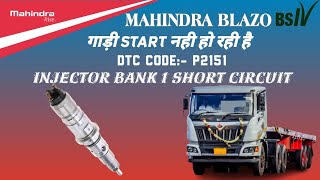
- A short to power somewhere in the injector harness for Bank 2 (that’s injectors 2 and 3).
- Connectors at the injectors or the ECM that are corroded, damaged, or just plain loose.
- A high side driver failure inside the ECM-basically, the computer’s internal switch that controls voltage to the injectors.
- Every once in a while, a bad injector will backfeed voltage and set this code, but honestly, that’s not the one I see most.
In real-world repairs, the wiring or connectors are usually the first place I look, especially on vehicles that have seen some rough roads or if there’s been work done in that area before. Ford, Renault, Toyota-they’re all fair game for this code if the wiring or connectors take a beating.
Symptoms and P2151 code
When a car comes in with a P2151, here’s what you might notice behind the wheel:
- The engine could start to run rough, misfire, or just feel gutless.
- Your check engine light’s going to be staring you down from the dash.
- Sometimes mileage takes a nosedive, or you get a whiff of raw fuel that shouldn’t be there.
- Hesitation or stumbling when you hit the gas is another red flag.
In my experience, these symptoms can sneak up on you-starting off barely noticeable but ramping up fast if you let it slide.

Diagnosis and P2151 engine code
Here’s how I go after a P2151, step by step, just like I would in the shop:
- First thing, I always pop the hood and eyeball the wiring around injectors 2 and 3. Burnt, pinched, or chewed-up wires? Big clue right there.
- Next, I unplug the connectors at the injectors and the ECM. Take a close look for green corrosion, bent pins, or any sign water’s gotten where it shouldn’t. Sometimes a second set of hands helps-those connectors can be stubborn.
- Out comes the multimeter. I’ll check for continuity in the wires and look for any shorts to power. If you’re handy with a meter, make sure there’s no voltage showing up with the key off and that resistance readings look good.
- If all the wiring and connectors pass the sniff test, I’ll move on to the injectors themselves-testing for internal shorts. While rare, a bum injector can set this code.
- If the code’s still haunting you after all that, then it’s time to suspect the ECM’s high side driver. At this point, you’re into specialized diagnostic territory-probably best to call in a pro with the right tools.
One last thing: always clear the code after you’ve made a fix, then road test and check if it comes back. No code? You nailed it. An OBD scanner is your best friend for confirming P2151 fixes.
Common Mistakes and P2151
A classic mistake I see all the time is folks rushing to swap out injectors without even glancing at the wiring. Another is giving the connectors just a casual look-sometimes the tiniest bit of corrosion is enough to throw everything off. Overlooking a possible short to power in the harness? That’s another way to waste hours and dollars chasing your tail.

Seriousness and P2151 trouble code
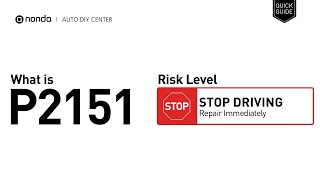
P2151 isn’t something you want to brush aside. If power’s getting to the injectors when it shouldn’t, you’re flirting with engine flooding, a toasted catalytic converter, or even a car that refuses to start. Problems like these can snowball in a hurry. Ignoring it could end up costing you an ECM or a new cat-both seriously expensive repairs. My advice? Don’t risk it.
Repair and dtc P2151
Here’s my go-to repair plan for a P2151, based on what’s actually fixed cars in my bays:
- Patch up or swap out any busted wiring or sketchy connectors in the injector circuit for Bank 2 (injectors 2 and 3).
- Make sure all connections at the injectors and ECM are clean, tight, and corrosion-free.
- If you find a short to power in the harness, cut out the bad section and replace it.
- Only replace the injector if it fails testing-don’t jump the gun before confirming the wiring’s solid.
- If you’re down to a faulty ECM high side driver, you might need a new ECM and a reprogram-don’t try shortcuts here.
Start simple-wiring and connectors first. Nine times out of ten, that’s where the trouble’s hiding.


Conclusion
Bottom line? P2151 means your car’s computer caught a high voltage hiccup in the injector control circuit for cylinders 2 and 3. Don’t sit on it-fuel system issues have a nasty habit of turning into much bigger, more expensive headaches fast. My advice: get under the hood, check those wires and connectors with a sharp eye, and tackle the repair before things spiral. You’ll save yourself a bundle and keep your ride running smooth and safe.
 6058
6058 5 minutes of reading