
Causes and obd code P2153
From what I’ve seen in the shop and based on the official repair info, the most common reasons for a p2153 are:
- Wiring harness damage-especially where the injector wires might rub against metal or get pinched, causing a short to ground.
- Faulty or internally shorted fuel injectors (number 6 or 7 in this case).
- Connector issues-like corrosion, loose pins, or water intrusion at the injector or harness connectors.
- Problems inside the engine control module (ECM), though that’s less common.
Most often the issue is with the wiring or the injectors themselves, so I always start there before moving on to the more complicated stuff.
Symptoms of P2153 trouble code
If you’re dealing with p2153, you’ll probably notice a few things right away. The engine might run rough, misfire, or feel like it’s lacking power-especially under load. You might also see the check engine light come on. In some cases, you could smell unburned fuel or notice poor fuel economy. If it’s bad enough, the engine might even stall or have trouble starting. These are all signs that the injectors aren’t getting the right signal and your engine isn’t running as it should.

Diagnosis process for P2153 engine code
Here’s how I usually tackle this one, step by step:
- First, I always start by visually inspecting the wiring harness for injectors 6 and 7. Look for any obvious damage, like frayed wires, melted insulation, or spots where the harness could be rubbing against engine parts. It’s better to have someone help you move the harness around while you check.
- Next, I unplug the connectors at the injectors and the ECM, then check for corrosion or bent pins. Don’t forget to check for moisture inside the connectors-it’s a common culprit.
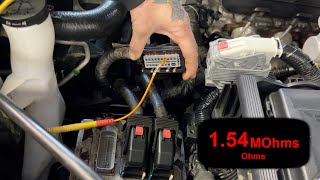
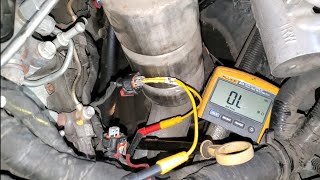
- With the connectors unplugged, I use a multimeter to check for continuity between the injector power wires and ground. If you get a beep, that means there’s a short to ground somewhere that needs to be found and fixed.
- If the wiring checks out, I move on to testing the injectors themselves. I’ll use an ohmmeter to measure the resistance of each injector-if one reads much lower than the others, it could be shorted internally and needs to be replaced.
- Only after all these checks do I consider the ECM as a possible cause. That’s rare, but if everything else is good, it’s worth having a professional test the module.
It’s best to start with the simple stuff-wiring and connectors-before jumping to conclusions about expensive parts.
Common Mistakes when troubleshooting P2153 code
I’ve seen a few mistakes crop up with this code. One is replacing the injectors right away without checking the wiring first-honestly, that’s a surefire way to waste money if the real problem is a pinched or damaged wire. Another common slip is not checking both injectors in the group; sometimes folks only look at one and miss the other. And don’t forget to check for connector corrosion-skipping that step can mean missing an easy fix. Take your time and check everything thoroughly before replacing parts.

Seriousness of dtc P2153
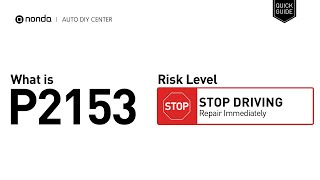
This isn’t something you want to ignore. When the injectors aren’t working right, your engine can misfire or run rough, which can quickly lead to bigger problems like catalytic converter damage or even engine failure if left unchecked. Plus, a misfiring engine can be a real safety hazard-especially if it stalls in traffic. Things can go south quickly if overlooked, so don’t put this off for later. The risks just aren’t worth it.
Repair steps for P2153
Here’s what I usually end up doing to fix this issue:
- Repair or replace any damaged wiring or connectors in the injector circuit for injectors 6 and 7.
- Replace the faulty injector(s) if testing shows one is shorted internally.
- Clean and secure all connectors to make sure there’s no corrosion or loose pins.
- In rare cases, replace the engine control module if all other components check out and the problem persists.
After repairs, I always clear the code and test drive the vehicle to make sure everything’s working as it should.

Conclusion
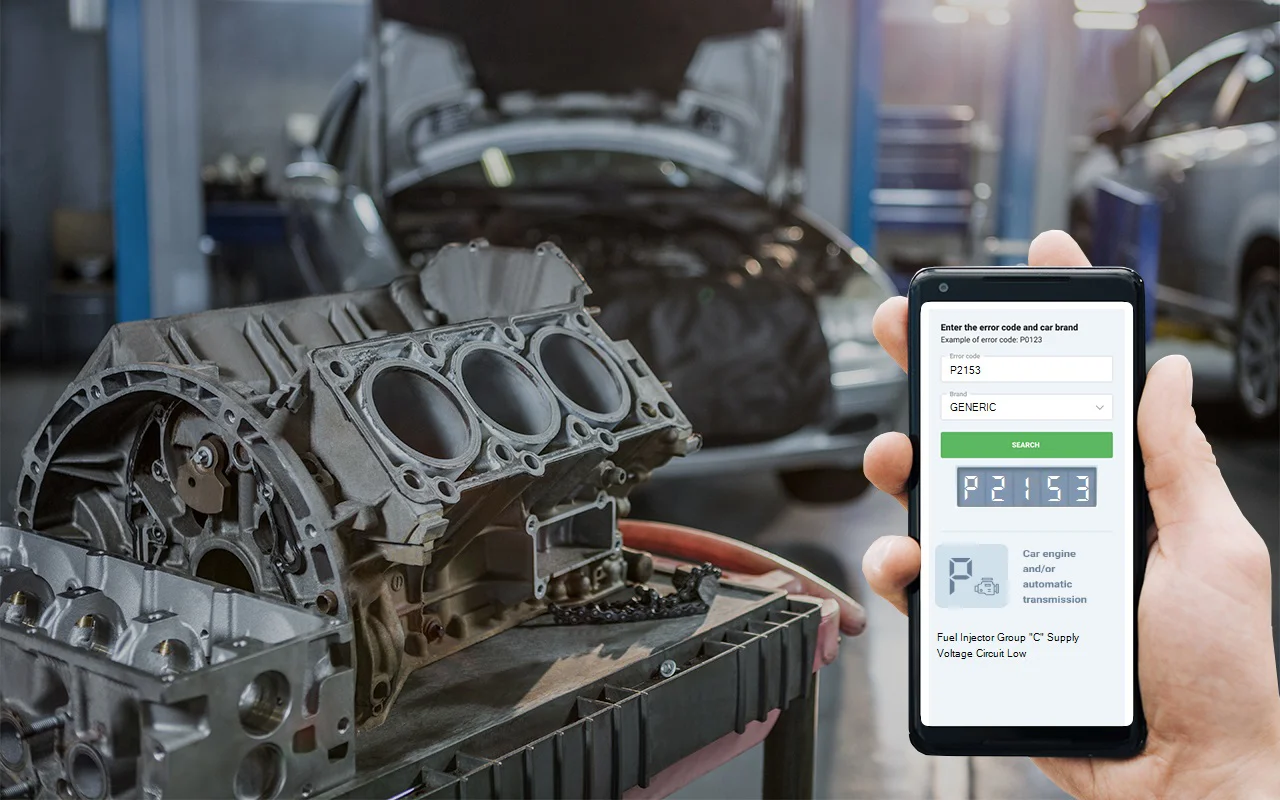
To sum it up, P2153 means there’s a problem with the voltage control circuit for injectors 6 and 7-usually a short to ground. This is a high-priority issue because it can cause rough running, misfires, and even engine damage if ignored. The most reliable way to fix it is to carefully inspect and repair the wiring and connectors first, then test the injectors, and only consider the ECM if everything else checks out. Don’t wait on this one-get it checked and fixed as soon as possible to avoid bigger headaches down the road.
 4328
4328 5 minutes of reading