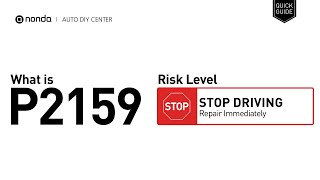
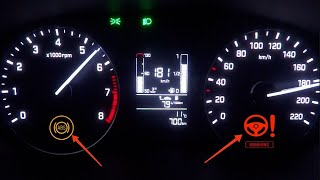
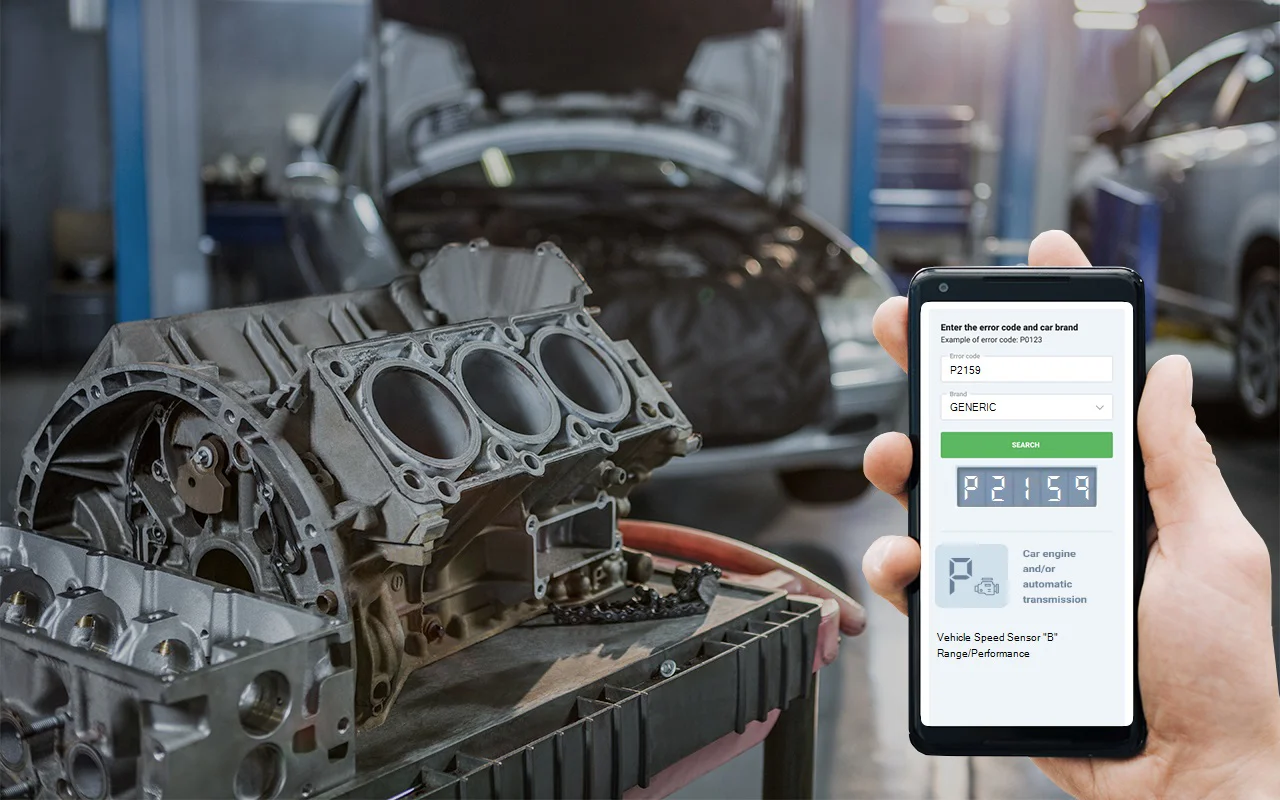
Let me walk you through what p2159 really means, drawing from my years of chasing down oddball codes. When your dashboard flashes P2159, it stands for “Vehicle Speed Sensor B Range/Performance.” What’s happening here is your car’s main computer-often called the PCM-isn’t happy with the information coming from Vehicle Speed Sensor B. This sensor, usually tucked in near the transmission, is your car’s way of tracking how fast you’re actually rolling down the road. The VSS tells the computer your speed, which in turn keeps your speedometer, transmission shifting, ABS, traction control, and even power steering in check. When the PCM picks up a reading from Sensor B that’s out of whack-maybe it’s way too high, too low, or just doesn’t make sense compared to the other sensors-it’ll toss up this code. In plain English: P2159 is your car’s way of saying, “I can’t trust the speed info from Sensor B, and that’s throwing everything off.”
DTC P2159
 5857
5857 5 minutes of reading
Causes and obd2 code P2159
From my time under the hood, the most frequent culprit for a p2159 code is a bum Vehicle Speed Sensor B. But that's just the tip of the iceberg. Here’s my short list of what I check, starting with the usual suspects:
- A failing or just plain tired-out Vehicle Speed Sensor B
- Wiring issues-think pinched, broken, or corroded wires, or a connector that’s come loose over time
- PCM problems, which could mean outdated software or, every so often, an internal failure
Most of the time, it’s something straightforward like a dodgy sensor or a wiring gremlin, but I never assume the PCM’s innocent until I’ve ruled out the basics first. Always check the small stuff before you go hunting for major computer faults.
Symptoms and P2159 trouble code
When I see this code, these are the real-world signs drivers usually notice:
- The check engine light almost always makes an appearance
- Sometimes the ABS or brake warning lights decide to join the party
- Your speedometer or odometer might stop working, jump around, or flat-out display the wrong speed
- Shifting gets weird-transmissions rely on true speed info, so expect rough or mistimed shifts
If you spot any of these, especially with brake or ABS lights glowing, don’t brush them off. It’s your car waving a big red flag.

Diagnosis and obd code P2159
Here’s how I approach diagnosing an obd code P2159, step by step. Experience has taught me to never skip the easy stuff:
- I always start by scanning for other codes-P2159 rarely travels alone, and its buddies can offer valuable hints.
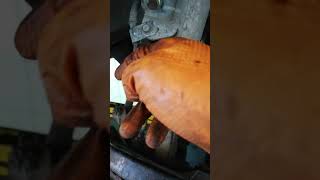
- Next, I give a good look at the wiring and connectors leading to Vehicle Speed Sensor B. I’m hunting for anything obvious: cracked insulation, green corrosion, loose or bent pins. Have someone wiggle the harness while you watch for intermittent issues.
- Then it’s time to test the sensor. Grab a multimeter, check resistance, or watch for signal output as you spin the wheels (the service manual for your car will have the specs you need).
- If everything checks out till now, then I’ll look at the PCM-sometimes a software update is all that’s needed, or, on rare occasions, the PCM itself is toast. But that’s always my last stop.
Always keep an eye out for any signs of moisture or water damage around the connectors and sensor-water intrusion can do a number on these circuits. And trust me, having a second set of hands makes testing a whole lot easier.
Common Mistakes and dtc P2159
A classic mistake I see in the shop? Folks swap out the speed sensor right away without checking the wiring. Sometimes, all that’s wrong is a crusty connector or a wire that’s hanging on by a thread. Another trap: ignoring other codes that show up alongside dtc p2159. Those extra codes can shine a spotlight on the real problem. And here’s a pro-tip from the garage: always check for TSBs (Technical Service Bulletins) from your vehicle’s maker-sometimes they’ve already mapped out a fix or released a software patch for this exact problem. Skipping these steps? That’s a fast way to waste both cash and time.

Seriousness and P2159
Don’t be tempted to let this one slide. When the vehicle speed sensor isn’t giving accurate data, you’re risking way more than a glitchy speedometer. You could lose anti-lock brakes or end up with a transmission that shifts at all the wrong times, which can quickly turn into a safety risk-especially when roads get slick or you need to stop fast. Let this go too long and you might be on the hook for bigger repairs, like transmission damage or losing vital safety features. Bottom line: ignoring P2159 can put your ride-and everyone in it-in real danger.
Repair and P2159 code
Here’s what I see working time and again for a P2159 code, whether it’s in my own garage or straight from the shop manuals:
- Swap out Vehicle Speed Sensor B for a new, good-quality (preferably OEM) part
- Repair or replace any suspect wiring or connectors in the sensor’s circuit
- If there’s a manufacturer bulletin or known software issue, update the PCM as recommended
- In those rare cases where the PCM itself is the problem, replace it only after you’ve exhausted all other options
Don’t forget to clear the code and take your car out for a test drive before calling the job done. And if you’re driving a Hyundai, dtc p2159 hyundai is a known issue-so double-check for any special bulletins or updates for your specific model.
Conclusion
So here’s the bottom line: P2159 means your car’s not getting the correct speed signal from Sensor B, and that can throw your speedometer, brakes, and transmission for a loop. This isn’t something to brush off-it’s a code that affects both safety and how your car drives. My advice? Start simple: check the sensor and wiring first, then move to more complex stuff if things still aren’t right. Don’t let this sit-taking care of it quickly is the smartest way to keep your car safe and running like it should.