
Causes and obd2 code P216B troubleshooting
From my time under the hood, the usual suspects behind a P216B code don’t change much. Nine times out of ten, it comes down to either a bad injector-number 5, specifically-or something wrong in the wiring harness connected to it. Sometimes the harness is chafed, pinched, or just plain broken. A lot of folks overlook a loose or corroded connector at the injector, and every now and then, the problem traces back to the ECM itself. Here’s what I check, in order:
- Fuel injector for cylinder 5 acting up or failing
- Wiring harness to injector 5 is damaged, open, or shorted
- Connector at injector 5 is loose or corroded
- ECM (engine control module) failure-rare, but possible
If you’re working on a Cadillac, Chevy, or GMC, start with these. Other makes might have their quirks, but these four are almost always where the trouble hides.
Symptoms and dtc P216B indicators
The moment this code sets, you’ll probably spot a check engine light glaring at you. That’s just the beginning, though. What I’ve often found is engines run rough-especially at idle-when this code’s active. You might notice the car feels sluggish or stumbles when you hit the gas. If it gets bad enough, you’ll hear the engine misfire or run unevenly. Remember, if injector 5 goes offline, that cylinder isn’t getting fuel, so your engine won’t be happy. Don’t ignore these warning signs; your car’s trying to get your attention for a reason.

Diagnosis steps for P216B code
Let me walk you through how I’d approach this one in the shop. First, don’t just throw parts at the problem. I always start with a good, old-fashioned visual check-look over the wiring and connectors for cylinder 5’s injector. Are the wires frayed or chewed up? Is the connector loose or hanging on by a thread? Sometimes, just wiggling the harness while the engine runs will give you a clue-if the idle changes, you’re onto something. Next up, pull the connector and inspect the pins for any corrosion, bending, or pins pushed back into the housing. Grab your multimeter and test for voltage at the injector connector with the key on. If the reading’s low or missing entirely, trace the harness all the way back to the ECM to check continuity. Don’t forget to swap injectors between cylinders if you’re still stuck-if the problem follows the injector, you’ve got your answer. Only after all that do I even start thinking about a bad ECM.
Common Mistakes in obd code P216B troubleshooting
A classic mistake I see all the time: skipping the wiring check and jumping straight to buying a new injector. Folks often forget that a loose or corroded connector can cause just as much trouble as a faulty injector. Another common blunder is missing broken or shorted wires in the harness, which can be easy to overlook if you’re in a rush. Take it from me-always comb through the wiring and connectors before shelling out cash for expensive parts. It’ll save you time, money, and a lot of frustration.

Seriousness of P216B issues
Don’t take this one lightly. Running your engine with a dead injector means that cylinder’s just along for the ride-not firing, not helping. This leads to rough running, poor performance, and can even beat up your catalytic converter if left unchecked. I’ve seen folks ignore this kind of code and end up with a much bigger repair bill down the line. You’re risking misfires, higher emissions, and possibly damaging the ECM or other injectors. Bottom line: get on top of this as soon as possible. You’ll thank yourself later.
Repair solutions for P216B engine code
Here’s a pro-tip from the garage: always start by repairing or replacing any suspect wiring or connectors for injector 5. Make sure every connection is clean, tight, and free of corrosion. If the injector itself has failed, swap it out for a new OEM unit-don’t cheap out here. Still seeing the code after all that? Only then should you consider ECM replacement or reprogramming, and that’s usually a last resort. Clear the code, take the car for a good test drive, and make sure it doesn’t come back. These steps line up with what I’ve seen in OEM and dealership repair bulletins.
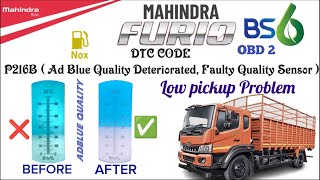
- How to solve DTC fault code P216B in Mahindra Furio 17 ton OBD 2 truck.AdBlue Quality Deteriorated.
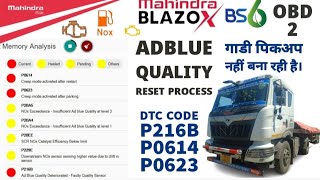
- Mahindra blazo OBD 2 BS6 ADBLUE quality reset process.DTC CODE P216B P0623 P0614 low pickup issue.
- toyota hybrid dtc p261b wait, don''t throw away the old water pump
- Код ошибки P216b, диагностика и ремонт автомобиля
Conclusion
If there’s one thing you take away here, let it be this: P216B means low voltage at fuel injector 5’s control circuit-and that’s bad news for engine performance and reliability. It’s not a problem you can shove to the back burner. Start with a thorough check of wiring and connectors, then move to the injector, keeping the ECM as the last thing to suspect. Quick, methodical troubleshooting will keep your engine happy and your wallet a little heavier. Don’t wait-fix it right, fix it now.
 4681
4681 5 minutes of reading