From my time in the shop, I can tell you that when you see a p2172 code pop up, your car’s computer is basically shouting, “Hey, there’s way more air getting into the engine than I expected!” What’s really going on here is that the electronic throttle control system, the brains behind your drive-by-wire setup, has noticed a sudden spike in airflow. Modern cars don’t use a direct cable from the gas pedal to the throttle plate anymore. Instead, pressing the pedal sends an electronic signal to a motor that cracks open the throttle plate and lets air in. Everything relies on a network of sensors and actuators working together. If you’ve got a bad sensor or a sneaky vacuum leak, the computer sees more air coming in than it can account for and sets this code. The real job of this system is to make sure your engine gets exactly the right air-fuel mix, so any hiccup here can really mess things up.
DTC P2172
 5177
5177 6 minutes of reading
Causes of P2172
From experience, the most common reasons I see for a p2172 code are:
- Vacuum leaks-these can happen if a hose pops off, cracks, or if a gasket fails, letting unmetered air sneak into the engine.
- Faulty sensors-specifically the manifold absolute pressure (MAP) sensor, throttle position sensor (TPS), or the accelerator pedal position (APP) sensor. If any of these send bad data, the computer gets confused about how much air is actually coming in.
- Wiring or connector issues-sometimes it’s as simple as a damaged wire or a loose plug causing bad signals.
- Internal engine problems-though less common, things like a stuck open intake valve can also let in extra air.
- Problems with the powertrain control module (PCM)-rare, but possible if the computer itself is malfunctioning.
Most often, I find vacuum leaks or sensor issues at the root of this code.
Symptoms of obd2 code P2172
When this code pops up, you’ll usually notice a few things right away. The check engine light will come on, which is your first clue. You might also experience the engine not starting at all, or if it does start, it could run rough, idle too high or too low, or not respond properly when you press the gas pedal. Sometimes, the car feels sluggish or won’t accelerate like it should. In some cases, you might even notice the engine stalling or surging unexpectedly. Basically, anything that messes with how much air the engine gets can throw off how it runs, and you’ll feel it.

Diagnosis steps for P2172 engine code
Here’s how I usually tackle a p2172 engine code, step by step:
- First, I start with a visual inspection under the hood. I look for any obvious vacuum hoses that are disconnected, cracked, or loose. Don’t forget to check around the intake manifold and throttle body for signs of leaks.
- Next, I listen for any hissing sounds with the engine running-this can point straight to a vacuum leak. Sometimes, spraying a little soapy water or carb cleaner around suspected areas can help spot a leak (the idle will change if you hit the right spot).
- Then, I check the throttle body itself. Make sure it’s not stuck open or dirty. A sticky throttle plate can cause all sorts of trouble.
- After that, I move on to the sensors. I use a scan tool to check live data from the MAP sensor, TPS, and APP sensor. If any readings look out of place or don’t change smoothly as you press the gas pedal, that’s a red flag.
- I also check the wiring and connectors for these sensors. Sometimes a simple loose connection or corroded pin is all it takes to throw things off.
- If everything looks good so far, I’ll check for any relevant Technical Service Bulletins (TSBs) for your vehicle-sometimes there are known issues or software updates that can cause this code.
- Finally, if all else fails, I’ll consider the possibility of an internal engine issue or a PCM fault, but those are much less common.
It’s best to start with the simple stuff-vacuum leaks and sensor checks-before diving into the more complex possibilities.

Common Mistakes with dtc P2172
Here’s a classic pitfall I see all the time: folks get frustrated and toss expensive parts at the problem-new throttle bodies, sensors, you name it-without ever checking for a simple vacuum leak. That’s a fast way to empty your wallet and still have the same headache. Another one? Overlooking wiring or connectors. I can’t count the number of times it’s just been a loose plug or a pin with a bit of corrosion causing chaos. And don’t skip checking for TSBs-manufacturers sometimes have easy fixes or updates that solve the problem. One more pro tip: always clear the code after each fix and see if it comes back. That’s the only way to know you’ve nailed it.

Seriousness of P2172 trouble code
This is not one of those codes you can just shrug off and hope for the best. When your engine gets too much air, it runs lean-meaning there’s not enough fuel mixing with all that air. That’s a recipe for misfires, weak performance, and if you keep driving, you’re flirting with real damage. I’m talking burned valves, scorched pistons, or even a fried catalytic converter. And if the throttle’s not responding the way it should, you could lose power or control out on the road-never a good situation. Bottom line: don’t ignore this one. It can get ugly fast, and the repair bill just grows the longer you wait.
Repair options for P2172 code
When I’m dealing with a p2172 code, here’s my go-to plan-always based on what I actually find during the diagnosis:
- Patch up or swap any vacuum hoses or gaskets that are leaking air.
- Give the throttle body a good cleaning or replace it if it’s sticking or gummed up.
- Swap out bad sensors-MAP, TPS, or APP-if they’re giving off funky readings.
- Fix up or replace any sketchy wiring or connectors.
- If a TSB points to a software glitch, update the PCM accordingly.
- In those rare cases where the PCM or engine internals are the culprit, address those as needed-but that’s pretty uncommon in my experience.
After every repair, I always double-check my work and clear the code. If it stays gone, you know you got it right.
Conclusion
In the end, p2172 means your engine’s getting more air than it should, usually because of a vacuum leak or a dodgy sensor. Don’t ignore it-this is one of those problems that can snowball into bigger, more expensive repairs or even dangerous driving conditions if you let it slide. My advice? Start simple: look for leaks and sensor issues first, then move on to wiring and the more complex stuff only if you need to. Get on it fast to keep your ride running strong and safe.
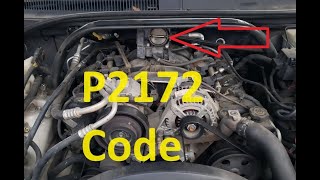
- Causes and Fixes P2172 Code: Throttle Actuator Control System – Sudden High Air Flow Detected
- CÓDIGO P2172 🟢 Solucionado 🟢 Código Avería Sistema actuador del acelerador Síntomas Causas Solución

- Código P2172 — Solución, Causas y Sintoma

- P2172 2004 Dodge ram 1500 high airflow or vacuum leak detected, FOUND WITH OUR SMOKE MACHINE!