
Causes of P2174 trouble code
From what I see most often in the shop, the main culprits for p2174 are:
- A blocked or restricted air intake-sometimes it’s as simple as a dirty air filter, or something stuck in the intake duct.
- Wiring issues-broken, shorted, or corroded wires or connectors going to the MAP sensor or throttle position sensor can easily trigger this code.
- A faulty MAP sensor-if this sensor isn’t reading pressure correctly, the computer gets confused about how much air is coming in.
- A bad throttle position sensor-if this sensor fails, the computer can’t tell how open the throttle is, which throws off the air calculations.
In my experience, it’s usually one of these four. Sometimes it’s a combination, especially if the vehicle’s been exposed to moisture or rodents.
Symptoms of dtc P2174
If you’re dealing with a p2174 code, here’s what you’re likely to notice:
- The check engine light will be on-sometimes it’s the only sign, but don’t ignore it.
- You might feel the engine running rough, especially at idle or when accelerating.
- There could be a noticeable lack of power, or hesitation when you step on the gas.
- In some cases, the engine may even stall or have trouble starting.
From what I’ve seen, these symptoms can sneak up on you, but they’re a sign that something’s not right with the air getting to your engine.

Diagnosis and testing for P2174 engine code
Here’s how I tackle a p2174 engine code, step by step:
- First, I always start with a visual inspection. Pop the hood and check the air intake system-look for anything blocking the air filter or intake duct. Sometimes leaves, debris, or even a collapsed hose are all it takes.
- Next, I check the air filter itself. If it’s dirty or clogged, replace it-it’s a cheap fix and can save a lot of headaches.
- Then, I move on to the wiring. Inspect the harnesses and connectors for the MAP sensor and throttle position sensor. Look for broken wires, loose plugs, or corrosion. It’s best to have someone wiggle the wires while you watch for changes.
- After that, I test the MAP sensor and throttle position sensor. Using a scan tool, I check their readings to see if they’re within the expected range. If anything looks off, I’ll test the sensors directly or swap in a known-good one if possible.
- Finally, I clear the code and take the car for a test drive to see if it comes back. If it does, I dig deeper, but most times the issue is found in those first steps.
It’s always smart to start simple and work your way up-don’t jump straight to replacing expensive parts.
Common mistakes when troubleshooting P2174 code
I’ve seen a few common slip-ups with this code:
- People often overlook the air filter or intake duct, jumping straight to sensors. Don’t skip the basics!
- Another mistake is replacing the MAP or throttle position sensor without checking the wiring first. A bad connection can mimic a bad sensor.
- I’ve also seen folks clear the code without actually fixing the problem, only for it to come right back.
Take your time and check everything step by step. It’s easy to miss something simple if you rush.

How serious is obd2 code P2174
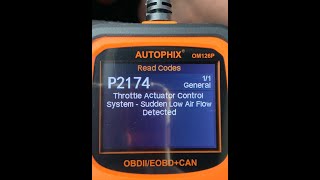
This isn’t a code you want to ignore. If you keep driving with a p2174, you risk poor engine performance, stalling, or even damaging the catalytic converter from running too rich or too lean. Honestly, things can go south quickly if overlooked. You don’t want to end up stranded or cause bigger issues down the line. Parts like the MAP sensor, throttle body, and even the engine itself can suffer if the problem isn’t addressed.
Repair steps for P2174
Here’s what usually fixes a p2174, based on what I see in the field:
- Cleaning or replacing a clogged air filter or clearing out the intake duct.
- Repairing or replacing damaged wiring or connectors to the MAP or throttle position sensors.
- Replacing a faulty MAP sensor if it’s not reading correctly.
- Replacing the throttle position sensor if it’s giving bad data.
It’s best to start with the simple stuff-air filter and wiring-before moving on to sensors. Most times, that’s where the problem lies.

Conclusion
To sum it up, P2174 means your engine isn’t getting the air it expects, and that’s a recipe for trouble if left unchecked. I always recommend treating this as a priority-don’t put it off. Start with a good inspection of the air intake and wiring, then move on to the sensors if needed. Fixing it promptly is the best way to keep your engine running smooth and avoid bigger, more expensive problems down the road.

 4158
4158 5 minutes of reading