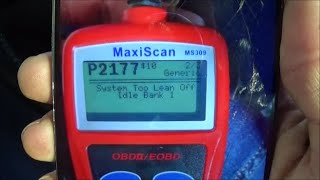
Let me break down what Diagnostic Trouble Code P2177 means for your vehicle. This code stands for “System Too Lean Off Idle Bank 1.” In plain terms, it means your engine’s computer (the PCM) has detected that the air-fuel mixture is too lean-that is, there’s too much air and not enough fuel-when you’re driving just above idle, like cruising or gently accelerating. The PCM keeps a close eye on the oxygen levels in your exhaust using O2 sensors, and if it sees more oxygen than expected, it tries to add more fuel to balance things out. If it can’t get that balance right, it sets this code. This process involves several subsystems, including the fuel injectors, mass air flow sensor, and the intake system. The goal is always to keep the engine running smoothly and efficiently, but when something throws off that balance, you get a trouble code like this.
DTC P2177
 5503
5503 6 minutes of reading
P2177 code Causes
From what I’ve seen in the shop and based on official repair info, the most common reasons for a p2177, including in cars like Mazda and Volkswagen, are:
- Faulty oxygen (O2) sensor - these sensors can wear out or get contaminated over time.
- Malfunctioning mass air flow (MAF) sensor - if this sensor isn’t reading airflow correctly, the PCM can’t mix fuel properly.
- Vacuum leaks - any crack or loose hose in the intake system lets in extra air, throwing off the mixture.
- Fuel injector issues - if an injector is clogged or failing, it won’t deliver the right amount of fuel.
- Weak fuel pump - not enough fuel pressure can cause a lean condition.
- Exhaust leaks - these can trick the O2 sensor into reading more oxygen than there really is.
- Rarely, outdated PCM software or an internal PCM problem.
Most often, the issue is a vacuum leak or a sensor problem, but I always check the basics first before moving on to the more complicated stuff.
P2177 trouble code Symptoms
When this code pops up, you’ll usually notice a few things. The check engine light will come on, which is your first clue. You might feel the engine running rough or lacking power, especially when you try to accelerate. Sometimes, the car will hesitate or stumble. You’ll probably see your fuel economy drop, meaning you’re burning more gas than usual. In some cases, you might even feel the engine misfire-like it’s skipping or shaking. If you notice any of these, it’s a sign something’s not right with the air-fuel mix.

dtc P2177 Diagnosis
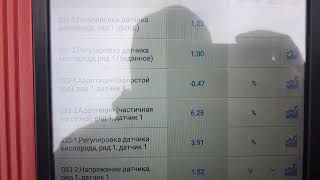
Here’s how I tackle a dtc p2177 mazda or dtc p2177 volkswagen, step by step. First, I always start with a visual inspection-look for any obvious vacuum leaks like cracked hoses, loose clamps, or disconnected lines. It’s best to have someone help you rev the engine while you listen for hissing sounds around the intake. Next, I check the air filter and the mass air flow sensor for dirt or contamination; a dirty filter or sensor can really mess things up. After that, I scan live data with a diagnostic tool, paying close attention to fuel trim readings and O2 sensor outputs. If the fuel trims are high, that’s a clue the PCM is adding extra fuel to compensate for a lean condition. I then test the O2 sensors and MAF sensor with a multimeter or scan tool to make sure they’re working properly. Don’t forget to inspect the fuel injectors-look for signs of clogging or uneven spray. Finally, I check fuel pressure at the rail to rule out a weak pump. If everything checks out, I consider software updates or PCM issues, but that’s pretty rare. Always consult the repair manual for your specific vehicle before diving in.

P2177 engine code Common Mistakes
One thing I see a lot is folks jumping straight to replacing sensors without checking for vacuum leaks first. Honestly, skipping the basics can cost you time and money. Another common mistake is ignoring the fuel system-clogged injectors or a weak pump can easily cause a lean condition. Some people forget to check for exhaust leaks, which can trick the O2 sensor and lead you down the wrong path. It’s also easy to overlook the importance of live data-just reading the code isn’t enough. Make sure you look at the whole picture before replacing parts.

obd code P2177 Seriousness
This isn’t something you want to ignore. Running lean means your engine isn’t getting enough fuel, which can lead to overheating, misfires, and even damage to the pistons or valves if left unchecked. You don’t want this kind of trouble on the road-things can go south quickly if overlooked. Prolonged driving with a lean condition can also damage the catalytic converter, which is expensive to replace. Don’t put this off for later; it’s a serious hazard that can lead to bigger, costlier problems.
P2177 Repair
Once you’ve pinpointed the cause, here’s what I usually do to fix it. If it’s a vacuum leak, I replace or repair the affected hoses or gaskets. For a faulty O2 or MAF sensor, I swap them out with OEM parts. If the fuel injectors are clogged, I clean or replace them as needed. For low fuel pressure, I check the pump and fuel filter, replacing them if necessary. If there’s an exhaust leak, I repair the leak to ensure accurate sensor readings. In rare cases, a PCM software update or replacement might be needed. Always clear the code and test drive to make sure the fix worked.
Conclusion
To sum it up, P2177 means your engine is running too lean off idle, usually due to a sensor issue, vacuum leak, or fuel delivery problem. It’s important to diagnose and fix this promptly because running lean can seriously damage your engine and other components. The safest bet is to start with simple checks-vacuum lines, sensors, and fuel system-before moving on to more complex repairs. If you follow a thorough diagnostic path and address the root cause, you’ll keep your engine running smoothly and avoid costly damage down the road.