
Common Causes of P2180 code
From my experience in the shop, most often the issue comes down to a handful of usual suspects. Here’s what I see most commonly when P2180 shows up:
- A clogged air filter - If the filter’s dirty, not enough air gets in, making the mixture too rich.
- A faulty oxygen sensor - When these go bad, they send the wrong signals, and the computer dumps in extra fuel.
- An exhaust leak - This can trick the sensors and cause the computer to miscalculate the mixture.
- Bad spark plugs - If they aren’t firing right, combustion suffers and the mixture goes off.
- Outdated PCM software - Sometimes the computer itself needs an update to work correctly.
In cases like this, it’s usually one of these culprits, but I always check each one carefully before jumping to conclusions.
Recognizing obd code P2180 Symptoms
If you’ve got a P2180 code active, you’ll likely notice a few things right away. Most drivers tell me their fuel economy drops noticeably - you’re burning more gas than usual. The engine might feel sluggish or just not as peppy as it should be. Sometimes you’ll notice rough running, especially when accelerating away from a stop. In some cases, the check engine light is the only clue, but if you ignore it, those other symptoms tend to get worse over time.

Diagnosis Process for P2180 trouble code
When I get a car in my bay with a P2180 code, I always start with the basics. First thing I do is pop the hood and take a good look at the air filter-if it’s choked up with dirt, swap it out right away. A lot of folks overlook this step. Next, I check out the oxygen sensors. Look for cracked wires, corrosion on the connectors, or sensors that are just plain worn out. If you’ve got a scan tool handy, plug it in and watch the live data-the O2 sensors should be bouncing up and down while the engine runs. After that, it’s time to hunt for exhaust leaks. You’ll want to listen for any hissing noises or feel around (carefully!) the manifold and exhaust pipes for escaping air-sometimes it takes a second set of hands to spot a small leak. Then, I pull the spark plugs and check their condition. If they’re blackened or fouled up, it’s a sign things aren’t burning right. Last but not least, I always check for PCM software updates; you’d be surprised how often a simple reflash from the dealer sorts out weird fuel system issues. After each step, clear the code and take her for a spin-see if that code comes back before moving down the list.
Common Mistakes When Addressing obd2 code P2180
One classic mistake I see all the time is skipping over the obvious fixes and heading straight for the expensive stuff. For example, folks will rush to change out oxygen sensors without even checking if the air filter’s dirty or if there’s a sneaky exhaust leak hiding somewhere. I’ve also seen people swap sensors without testing the wiring-sometimes it’s just a broken wire, not the sensor itself. And don’t forget PCM software-overlooking an available update has tripped up even seasoned techs. My advice? Handle the easy things first before you start throwing money at parts you might not need.

How Serious Is the P2180 Issue
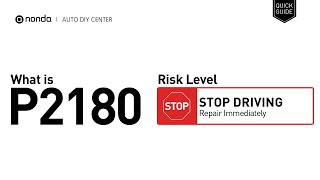
Let me tell you, this isn’t something you want to put off. Running your engine too rich doesn’t just waste gas-it can fry your catalytic converter, foul up your spark plugs, and over time, cause some real engine headaches. A drop in MPG is just the start. If you ignore this code, you’re asking for bigger, more expensive problems down the road. Worst case? You end up stranded or with a misfiring, powerless engine. Trust me, it’s not worth the risk.
Effective Repair Steps for dtc P2180
Here’s what I recommend for fixing P2180, based on what works in the field:
- Replace the air filter if it’s clogged.
- Test and, if needed, replace the oxygen sensors.
- Repair any exhaust leaks you find.
- Install new spark plugs if the old ones are worn or fouled.
- Update the PCM software if there’s a newer version available.
It’s best to start with something simple and work your way up. Always clear the code and take the car for a test drive to confirm the fix.
Conclusion
To sum it up, P2180 means your engine is running too rich off idle, usually because of issues with air intake, oxygen sensors, exhaust leaks, or outdated software. It’s a moderate to high priority - don’t ignore it, or you risk bigger, more expensive problems. The most reliable way to resolve it is to start with basic checks (air filter, sensors, leaks), then move to spark plugs and software updates. If you follow this path, you’ll keep your car running safely and efficiently.
 5092
5092 5 minutes of reading