
Causes of obd2 code P2184
From what I see most often, the P2184 code usually comes down to a handful of common culprits. Here’s what tends to trigger this code in both Ford and Honda vehicles:
- Low engine coolant level-sometimes it’s just a matter of topping up.
- A faulty engine coolant temperature sensor (ECT2)-these do wear out over time.
- A thermostat that’s stuck open or leaking-this can throw off temperature readings.
- Wiring issues-open circuits, shorts, or damaged harnesses to the sensor.
- Connector problems-broken, bent, corroded, or pushed-out pins in the sensor plug.
In my experience, wiring and connector issues are just as common as a bad sensor itself, so don’t overlook those during your checks.
Symptoms of P2184 trouble code
If you’ve got a P2184 code active, here’s what you’ll likely notice as a driver:
- The check engine light will be on-sometimes it’s the only clue.
- Possible warning messages about engine temperature or service required.
- Rarely, you might notice poor fuel economy or the engine running rough, especially on cold starts.
Most of the time, it’s just that pesky warning light staring at you from the dash, but don’t let that fool you into thinking it’s harmless.

Diagnosis steps for obd code P2184
Here’s how I tackle a P2184 code step-by-step:
- Start by checking the coolant level when the engine is cool. Low coolant is a simple fix, but don’t forget to look for leaks if it’s low.
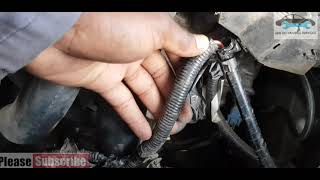
- Inspect the wiring harness and connector at the ECT2 sensor near the radiator. Look for damaged wires, loose plugs, or corrosion. It’s better to have someone wiggle the harness while you watch for changes on a scan tool.
- Check the sensor itself. If you have a scan tool, compare the readings from ECT1 and ECT2-if ECT2 is way off, that’s a clue.
- If you suspect the thermostat, feel the upper radiator hose after the engine warms up. If it’s cold, the thermostat might be stuck open.
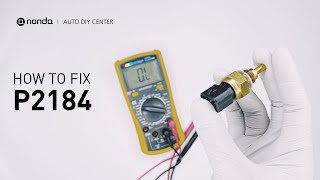
- Test the sensor with a multimeter if you’re comfortable-look for resistance changes as the engine warms up. No change usually means a bad sensor.
Don’t forget to inspect the connector pins for damage or corrosion before replacing any parts. Sometimes a simple cleaning or tightening does the trick.
Common Mistakes when fixing dtc P2184
I’ve seen plenty of folks jump straight to replacing the sensor without checking the wiring or coolant level. That’s a surefire way to waste time and money. Another common slip-up is ignoring the thermostat-if it’s stuck open, you’ll keep getting the code even with a new sensor. Always check for leaks and connector issues first before spending on parts.

Seriousness of P2184
This isn’t something you want to ignore. While it might seem minor at first, running with a faulty coolant temperature reading can lead to poor engine performance, higher emissions, and even overheating if the real issue is a coolant leak or bad thermostat. Over time, you risk damaging the engine, catalytic converter, or other expensive components. Honestly, things can go south quickly if overlooked, so don’t put this off for later.
Repair solutions for P2184 code
Here’s what usually fixes a P2184 code, based on verified repair cases:
- Top off the coolant and repair any leaks.
- Replace the ECT2 sensor if it’s faulty.
- Repair or replace damaged wiring or connectors at the sensor.
- Replace the thermostat if it’s stuck open or leaking.
- Clean and secure connector pins if they’re corroded or loose.
Always clear the code and test drive to make sure the fix worked.

Conclusion
To sum it up, P2184 means your car’s computer isn’t getting the right temperature reading from the coolant sensor near the radiator. It’s important to tackle this quickly, starting with simple checks like coolant level and wiring, before moving on to sensor or thermostat replacement. The risk of engine damage is real if you ignore it, but with a careful step-by-step approach, you’ll get it sorted without unnecessary expense. My advice: act promptly, follow the diagnostic path, and you’ll be back on the road with peace of mind.
 4966
4966 5 minutes of reading