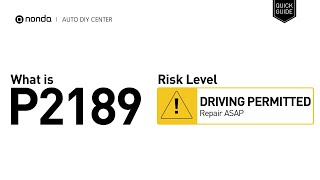
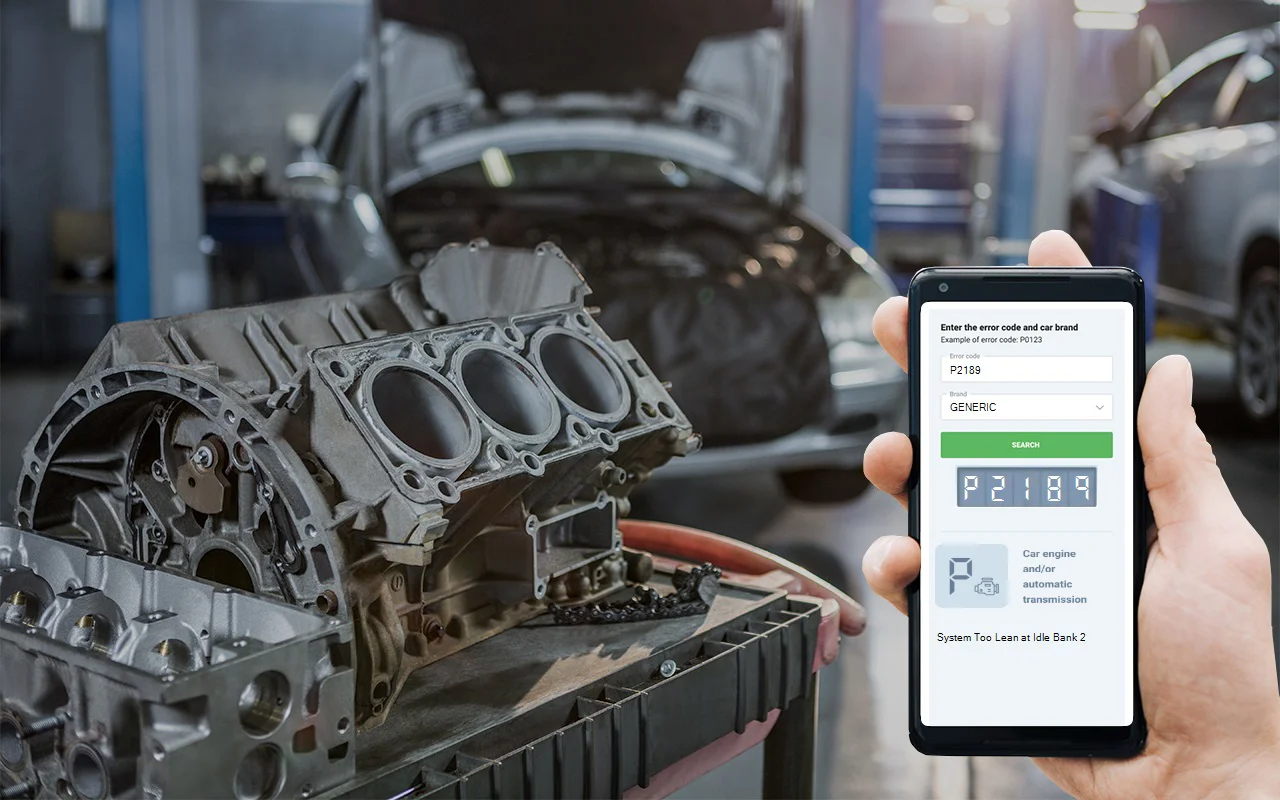
When you see the P2189 code pop up, your car’s computer is basically telling you the air-fuel mix at idle is too lean-there’s just too much air and not enough fuel when your engine’s sitting there idling. Over the years, I’ve seen this system work nonstop behind the scenes, constantly juggling air and fuel to keep your idle smooth and those emissions in check. But once that balance gets thrown off-especially on the second bank of the engine-you get P2189. The real brains behind this operation are sensors like the oxygen sensor and the mass airflow sensor, plus a few other components that handle air and fuel delivery. Their one job? Keep your engine humming along efficiently and reliably. But if anything upsets that balance, you’ll see a warning light and this code staring you in the face.
DTC P2189
 5738
5738 5 minutes of reading
Causes of obd code P2189
After years in the shop, I can tell you there’s a usual cast of characters behind this code. Nine times out of ten, I’m tracking down a vacuum leak-maybe a hose with a hidden crack or a stubborn intake manifold gasket that’s letting in unmetered air. But don’t rule out a lazy oxygen sensor, a gas cap that isn’t sealing right, or even an oil filler cap that’s not screwed down tight. I’ve chased this code down to a misbehaving mass airflow sensor, a leaky EVAP purge valve, or even a small exhaust leak. Sometimes it’s a tired fuel pump, a clogged filter, or spark plugs that have seen better days. Here’s a quick-hit list of the usual suspects I run into most:
- Vacuum leaks-hoses, intake manifold, gaskets
- Faulty or worn oxygen sensor
- Loose or damaged gas cap seal
- Loose or leaky oil filler cap
- Bad mass airflow sensor
- Leaking EVAP purge valve
- Exhaust system leaks
- Weak fuel pump or restricted fuel filter
- Fuel injector or pressure regulator issues
- Problems with variable camshaft timing
- Fouled or damaged spark plugs
Symptoms of P2189 engine code
If you’ve got this code, chances are your engine’s not happy at idle. Maybe it’s shaking, running rough, or even stalling when you’re at a stoplight. Hard starts can show up, and if you listen close, you might catch a whistling noise from under the hood-a dead giveaway for a vacuum leak. Some folks notice a fuel smell, or the engine feels gutless, especially on turbo models with low boost. Usually, you’ll sense something’s up, even if that check engine light is the only thing talking to you at first.

Diagnosis process for P2189
Here’s how I like to go after this code. First thing, I pop the hood and really listen-any hissing or whistling? That’s my cue for a vacuum leak. I’ll run my hands along all the vacuum hoses and connections, looking for cracks, splits, or loose ends. Next stop: gas cap and oil filler cap. Make sure they’re tight and the seals aren’t shot. Those are easy wins. Then I look over the air intake for leaks or loose clamps. If all that checks out, it’s sensor time-I’ll test the oxygen sensor and the mass airflow sensor, and sometimes just cleaning the MAF sensor can work wonders. Still stumped? I hook up the scan tool and dig into live data-fuel trims, O2 readings, you name it. Don’t overlook the fuel system, either. A clogged filter or weak pump can make things lean fast. If you can, grab a buddy to help sniff out leaks-two sets of eyes and ears are better than one.
Common Mistakes with P2189 trouble code
A classic mistake I see in the shop is folks throwing parts-like sensors-at the problem without first checking for the basics, like vacuum leaks or loose caps. People also tend to skip over the intake and exhaust systems, but even small leaks there can trip this code. Another one? Forgetting all about the fuel system and assuming it’s only about air. If you jump past the simple stuff or ignore what the scan tool is telling you in live data, you’ll just burn time and money. Always start simple and only get fancy if you have to.

Seriousness of dtc P2189
Let me be straight with you-this isn’t a code to ignore. Running too lean at idle can make your engine run rough, stall out, or, over time, cook internal parts like valves or even overheat the catalytic converter. I’ve seen folks end up stranded or staring down a much bigger repair bill by letting this slide. If your engine starts stalling in traffic, you’re not just risking your car, you’re risking safety. Bottom line: tackle this one sooner rather than later.
Repair solutions for obd2 code P2189
Once you’ve found what’s causing the problem, fixing it is usually pretty cut and dry. Got a vacuum leak? Replace the hose or gasket. Bad oxygen sensor or mass airflow sensor? Swap it out. If it’s just a loose or cracked gas cap or oil cap, tighten or replace it. For a plugged fuel filter or weak pump, that’s a replacement job. Sometimes, a good cleaning of the MAF sensor or new spark plugs will get you back in business. After any repair, be sure to clear the code and take the car for a test drive-make sure the fix holds before calling it done.
Conclusion
Here’s the takeaway: P2189 means your engine’s running too lean at idle-too much air, not enough fuel. Usually, it’s something simple like a vacuum leak or a loose cap, but sometimes it’s a deeper issue with a sensor or the fuel system. Don’t brush it aside. Start with the basics, take it step-by-step, and you’ll usually get to the bottom of it without too much headache. Trust the process-diagnose, fix, confirm-and you’ll be back on the road in no time.