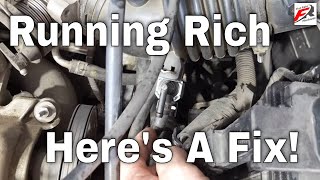
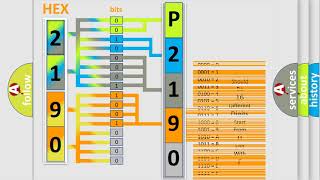
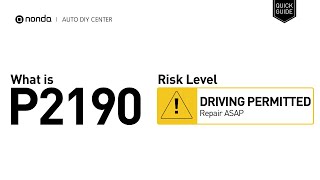
When you see a P2190 code pop up, your car's computer is letting you know that the air-fuel mixture on Bank 2-the side opposite cylinder #1-is running too rich, but only when you're pressing on the gas. In plain English, that means there's too much fuel and not enough air mixing together while you're driving, not idling. The system uses oxygen sensors in the exhaust to keep tabs on this balance. If it spots an imbalance on Bank 2, it throws the code. Why does the system care so much? Too much fuel can wreck things like your catalytic converter and tank your gas mileage. I've run into this on plenty of modern makes-Hyundai, BMW, Mercedes, Mazda, Kia, you name it. This setup's been the standard since around 2010. Just remember, P2190 only tells you there's a rich problem on that side while driving-it doesn't hand you the exact cause on a silver platter.
DTC P2190
 5499
5499 5 minutes of reading
Common Causes of P2190
From my time under the hood, the main culprits behind a P2190 code are almost always a failing oxygen sensor on Bank 2 or a mass airflow (MAF) sensor that’s seen better days. Faults in the engine computer (PCM) or a cranky EVAP system can also be in play, but they’re a bit less common. Here’s what I check, right off the bat:
- Oxygen sensor on Bank 2 that’s slow or just worn out
- MAF sensor that’s gummed up or malfunctioning
- PCM glitches (the car’s brain acting up)
- EVAP system issues, like purge valves sticking or leaks letting in unwanted fuel vapors
In most cases, it’s the O2 or MAF sensor at fault, but I’ve seen all of these cause trouble at one time or another.
Typical obd code P2190 Symptoms
If P2190 is showing up, you’ll almost always see the check engine light glaring at you. Drivers often mention that the car feels bogged down or sluggish, sometimes misfiring or running rough-especially when you’re trying to get up to speed. Keep an eye on your fuel gauge too; poor fuel economy is a dead giveaway. Sometimes, the car still runs okay, but don't let that fool you-letting this go can lead to bigger problems fast.

How to Diagnose a P2190 code
Here’s my go-to approach for chasing down a P2190 code. Always start simple-no need to tear half the engine apart before checking the basics:
- Grab a scan tool and look for any other codes. Sometimes another code is the smoking gun.
- Check the live readings from both O2 sensors and the fuel trims. If Bank 2’s sensor is pegged rich, you’re onto something.
- Pop the MAF sensor out and take a good look-make sure it’s clean and all the wiring is solid. A dirty or dying MAF can throw off the whole air-fuel game.
- Listen and look for vacuum leaks or anything off in the intake. Even though this is a rich code, a vacuum leak can throw you a curveball.
- Dig into the EVAP system-especially purge valves and possible leaks. Raw fuel vapor sneaking in can make the mixture too rich.
- Still stuck? Swap the O2 sensor from Bank 2 to Bank 1 and see if the code follows. That’s a tried-and-true trick from the garage.
- If you’ve ruled everything else out, then-and only then-suspect the PCM. That’s almost never the case, but it happens.
Have a buddy help you watch live data if you can, and always double-check connectors and wiring before you start spending good money on parts. Trust me, basics first will save you a headache and a lighter wallet.

Avoiding P2190 trouble code Common Mistakes
A classic mistake I see all the time: someone swaps out the oxygen sensor right away, without even glancing at the MAF sensor or checking for fuel system and EVAP problems. Another one? Ignoring other codes that could point you in the right direction. Skipping a careful look at wires and connectors is another way to chase your tail for hours. Don’t just clear the code and cross your fingers-problems like this rarely vanish on their own, and ignoring them just sets you up for a bigger, costlier fix later.

How Serious is a P2190 engine code
Trust me-you don’t want to let a P2190 code sit. Running rich can plug up your catalytic converter in no time, foul your spark plugs, and do real damage to your engine. Performance and fuel economy will drop, but that’s just the start. If you shrug it off, you risk wrecking expensive parts like the cat and O2 sensors. I’ve seen it turn a small fix into a wallet-busting repair more than once.
Repair Steps for obd2 code P2190
Here’s how I handle a P2190 repair, depending on what turns up in the diagnosis:
- Swap out the oxygen sensor on Bank 2 if it’s sluggish or not responding
- Clean or replace the MAF sensor if it’s dirty or acting up
- Fix or replace any damaged wiring or connectors going to the O2 or MAF sensors
- Seal up EVAP leaks or replace a purge valve that’s stuck open
- On rare occasions, update or replace the PCM if that’s where the trouble lies
Start with the easiest and cheapest fixes-don’t just start replacing parts at random. Once you’ve made a repair, clear the code and take the car for a drive. If the code doesn’t come back, you’ve nailed it.
Conclusion
To wrap things up, P2190 means your engine’s running rich on Bank 2 when you’re pressing the gas. Nine times out of ten, it’s a bad O2 sensor, a grungy MAF, or sometimes an EVAP or PCM hiccup. Don’t turn a blind eye-running rich can do a number on your engine and emissions system fast. The smartest move? Take your time with diagnosis, start with the basics, and fix what you find. Jump on it early and you’ll keep your ride healthy and your repair bills in check.