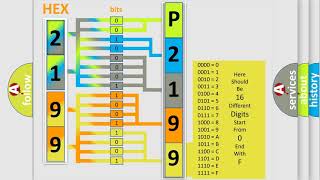
When you see the code p2199, your car’s onboard computer is basically telling you, “Hey, something’s off with my intake air temperature readings.” In plain English, this is called “Intake Air Temperature Sensor 1/2 Correlation.” What’s happening here is your engine’s keeping an eye on the air coming in-how hot or cold it is-using a pair of sensors. The computer expects both sensors to be on the same page, but if they start disagreeing by a wide margin, the code pops up. These sensors play a vital role in making sure your engine gets the right fuel mix for smooth running and good fuel economy. You’ll usually find them tucked into the air intake pipe or mounted right in the air filter housing, though sometimes they’re part of the mass air flow sensor. From my time in the shop, I can tell you these little guys are essential for peak performance.
DTC P2199
 5661
5661 5 minutes of reading
Causes of P2199 code
Over the years, I’ve found the usual suspect behind a p2199 code is a bum intake air temperature (IAT) sensor. But don’t be fooled-sometimes it’s not the sensor at all. Broken or shorted wires, crusty connectors, or an intermittent electrical connection can all trigger this code. Every once in a blue moon, the car’s computer (the PCM) is to blame, either because it’s gone bad or there’s a software hiccup. Here’s what’s typically behind it:
- Bad IAT sensor (sensor 1 or 2 could be the culprit)
- Wiring or connector issues-think open circuits, shorts, or corrosion
- PCM gone faulty (not common, but it happens)
- Programming or software faults in the PCM
Symptoms of P2199 trouble code
If you get hit with this code, the check engine light is almost always the first sign. You might also notice your engine running rough, or maybe it just doesn’t have its usual zip when you step on the gas. Don’t be surprised if your fuel economy takes a nosedive, too. Sometimes there’s hesitation or stuttering when you accelerate. My advice? If you recognize any of these symptoms, don’t drag your feet-get it checked out before it turns into something worse.

Diagnosis steps for obd code P2199
Whenever I’m chasing down a p2199, I always start with the basics-open the hood and give those IAT sensor wires and connectors a good look. Broken wires, loose plugs, or green corrosion on the terminals are things I find way too often. Next, I grab my scan tool and pull up live data for both sensors. Here’s a pro-tip from the garage: with the engine stone cold, both sensors should read nearly the same air temp. If one is way out of line, bingo, you’ve found a lead. If the readings are fishy, I’ll unplug the suspect sensor and break out the multimeter to check for broken or shorted wires. Still can’t find it? Time to test the sensor’s resistance at different temps and compare to the specs in your manual. If all this checks out but the code still returns, I start looking at the PCM as a possible problem. It’s always easier with a helper to watch the scan tool while you poke around, and don’t skip testing both sensors before you start swapping parts.
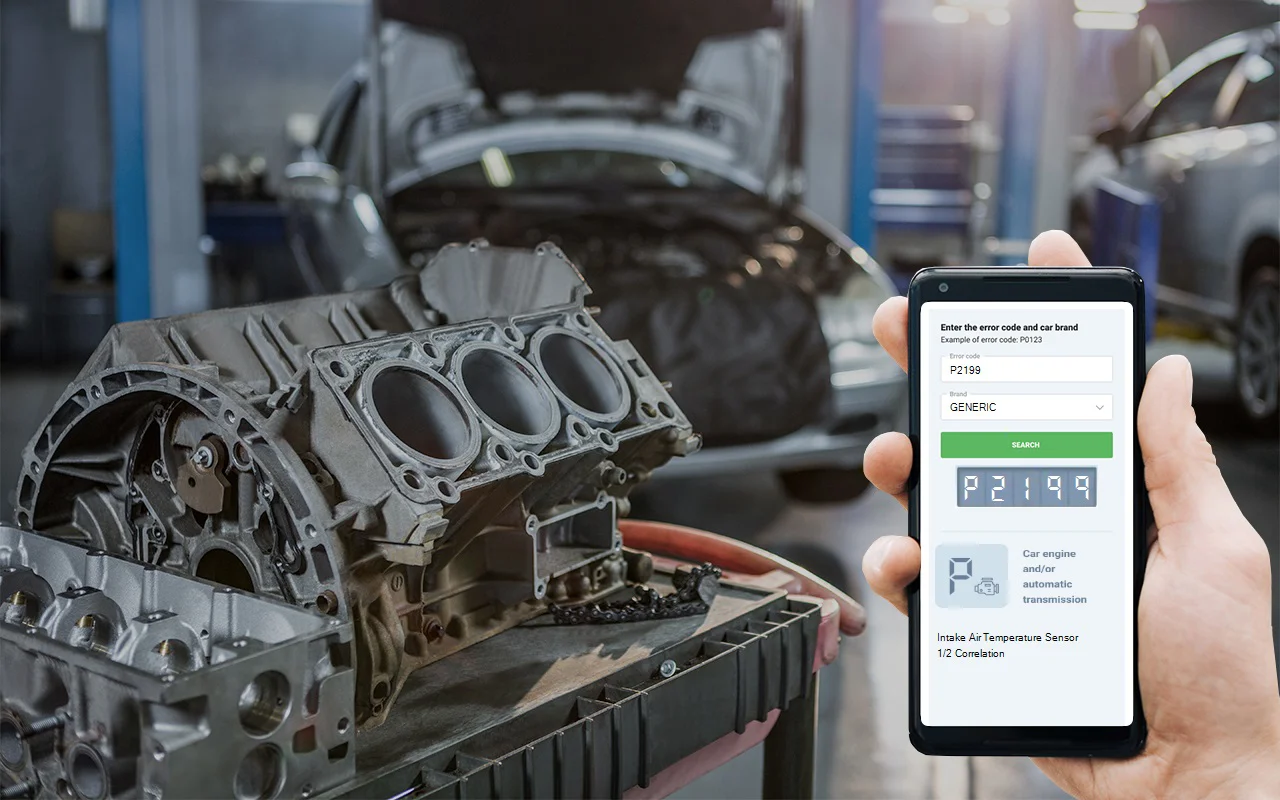
Common Mistakes when fixing obd2 code P2199
A classic mistake I see is folks rushing to buy a new sensor before even glancing at the wiring or connectors. That’s a quick way to burn cash and not fix a thing. Another misstep? Not comparing sensor readings when the engine’s cold-overlooking this can lead you to condemn a perfectly good sensor. Skipping the basics like checking for corrosion or bent pins? I’ve watched that bite plenty of techs. Always rule out the obvious stuff before reaching for replacement parts.

Seriousness of dtc P2199
Ignoring this code is asking for trouble. While your car might limp along, you’re risking poor mileage, sluggish throttle response, and, worse yet, running the engine too rich or too lean. That’s a recipe for cooking your catalytic converter or setting yourself up for bigger headaches down the road. If you’re feeling hesitation or power loss, don’t gamble-sort it out before it leaves you stranded or facing a fat repair bill.
Repair options for P2199
Most times, fixing a p2199 is pretty straightforward. Start simple: clean and snug up any corroded or loose connectors-sometimes that’s all it takes. If that doesn’t sort it, test the sensors and replace the bad one. Damaged wiring? Repair or replace as needed. Only once you’ve ruled out the rest should you look at reprogramming or swapping the PCM-and that’s usually the last resort, not the first step. Trust me, methodical work pays off here.
Conclusion
Bottom line, p2199 means your intake air temperature sensors aren’t seeing eye to eye, and that throws your engine management for a loop. Don’t ignore it-jumping on the issue early can save you from bigger problems later. The smartest move is to tackle the easy stuff first: inspect wiring, clean connectors, and only then test or replace the sensors. Walk through it step by step and you’ll usually catch the culprit without breaking a sweat. Get it fixed, and you’ll keep your ride running right where it should be.