
Causes of P2202 trouble code
From what I see most often in the shop, the P2202 code usually comes down to a handful of culprits. Here’s what I recommend looking at first:
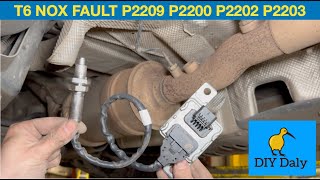
- Faulty NOx sensor - This is by far the most common issue. These sensors are exposed to a harsh environment and can fail over time.
- Wiring problems - Damaged, corroded, or loose wiring or connectors between the NOx sensor and the PCM can easily cause a low signal.
- PCM failure - It’s rare, but sometimes the vehicle’s computer itself can be the source of the problem.
In my experience, it’s usually the sensor or the wiring, not the PCM. But it pays to check everything thoroughly.
Symptoms of obd code P2202
If you’ve got a P2202 on your hands, here’s what you’ll probably notice behind the wheel:
- The check engine light flips on-sometimes that’s the only clue you’ll get.
- Fuel economy might take a hit. The engine just can’t run at peak efficiency if the emissions system is off its game.
- Occasionally, rough or jumpy idling shows up-especially as the issue gets worse.
- Higher exhaust emissions are happening, even if you don’t see or smell anything out of the ordinary.
If you let that code sit for too long, these symptoms usually get worse and might end up costing you more in repairs.

Diagnosis steps for obd2 code P2202
Let me walk you through how I chase down a P2202 code, step by step, just like I’d do in the shop:
- First thing’s first-grab your scan tool and confirm the code. Don’t forget to look for other related codes while you’re in there; sometimes you get a cluster of clues.
- Next, pop the hood and do a thorough visual inspection of the NOx sensor and every inch of its wiring. I’ve learned not to trust appearances-burn marks, loose or corroded plugs, and frayed insulation can hide in plain sight. Having a helper jiggle the harness while you watch for changes can save you a lot of time.
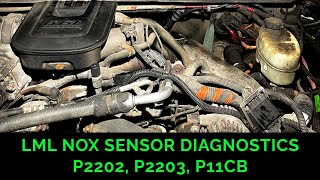
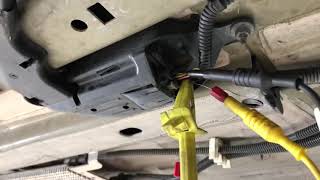
- If nothing jumps out at you, it’s time to break out the multimeter. Check for good voltage and ground at the sensor’s connector. If you come up empty, you’re probably looking at a wiring issue further up the line.
- Check the sensor’s output signal next. If it’s flat or reading way out of the normal range, you’re most likely staring at a dead or dying sensor.
- Only after those checks would I suspect the PCM, and even then, it’s rare-unless there’s water intrusion or obvious damage.
Here’s a pro-tip: Always check for TSBs for your specific vehicle. Sometimes the manufacturer already knows about a common issue or has updated parts to fix it.
Common mistakes when dealing with P2202
A classic mistake I see all too often? Folks go right for the NOx sensor and swap it out without giving the wiring a second look. That’s a fast way to burn through cash for no good reason.
- Skipping over corroded or loose connectors-these can be sneaky and cause on-again, off-again headaches.
- Ignoring related trouble codes. Sometimes, something else in the emissions system is to blame, and missing it means you’re not actually fixing the root problem.
My advice: Slow down, check your basics, and be methodical before shelling out for pricey parts.

Seriousness of P2202 engine code
P2202 isn’t just a nuisance code you can brush aside. While your ride might still start and run, the emissions system isn’t doing what it’s supposed to. You could be pumping out way more pollutants than you think. Over time, letting this slide can really mess with your SCR system or even clog up your DPF. And don’t forget-fail an emissions test, and you’re not going anywhere fast. Some cars will even drop into limp mode if this problem sticks around. My advice? Don’t drag your feet on this one. It can snowball fast.
Repair options for P2202 code
From my time under the hood, here’s what usually gets a P2202 code sorted:
- Swapping out a bad NOx sensor-that’s the fix most folks end up needing.
- Fixing or replacing any damaged wiring or connectors between the sensor and the PCM. Sometimes it’s as simple as a crusty plug.
- In the rare scenario that the PCM is toast, you might need to reprogram or replace it, but make absolutely sure before going down that road.
Here’s a garage pro-tip: Always clear the code and take the car for a solid test drive to see if it comes back. If it does, you might have missed something.
Conclusion
Bottom line: P2202 means your NOx sensor isn’t sending the right info, and that spells trouble for your emissions system. Don’t put off dealing with it-your engine, the environment, and your bank account will thank you. Start with the easy stuff: check the wires and connectors, then move on to the sensor itself. Nine times out of ten, that’s where you’ll find the culprit. Get it fixed before it grows into a bigger, pricier headache down the road.

 5049
5049 5 minutes of reading